
Introduction
If you’re a marine aquarium enthusiast, you’ve probably come across the majestic red starfish (Protoreaster linckii). This fascinating species is widely sought after due to its striking appearance and unique characteristics. However, caring for a red starfish requires attention to detail and a solid understanding of its specific needs.
What You Need to Know About Red Starfish
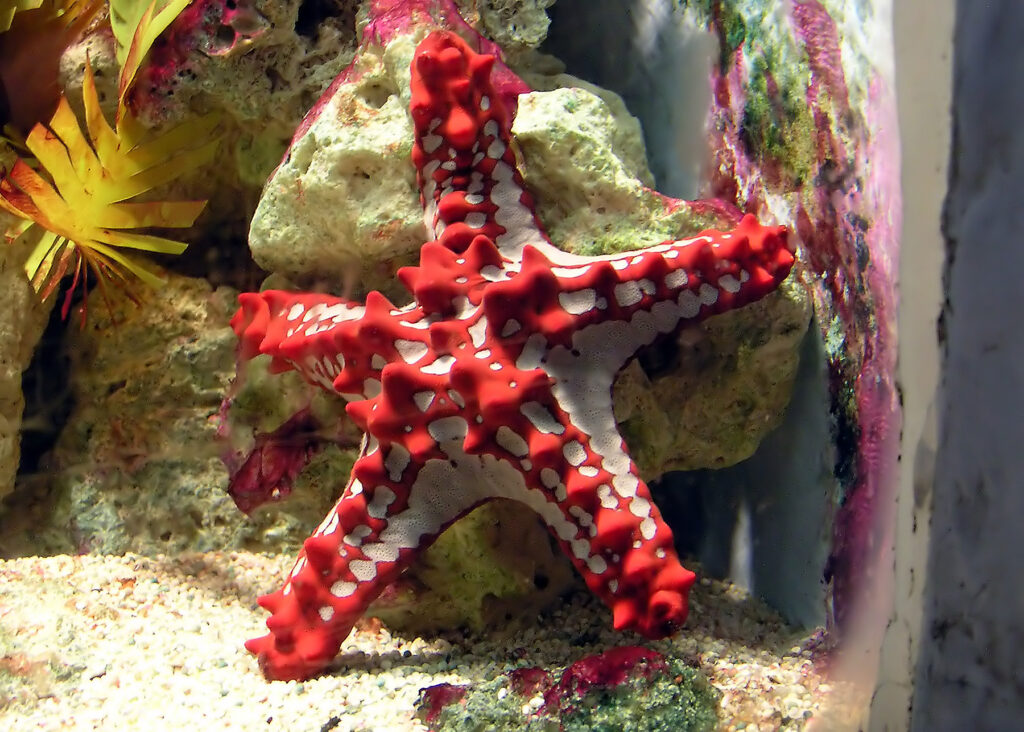
The red starfish gets its name from the distinctive reddish-purple tubercles that cover its five arms. These tubercles can grow up to 1 cm in diameter, making them one of the most recognizable features of this species.
Red starfish are part of the class Asteroidea, which includes over 2,000 species of starfish found in oceans around the world. They have a unique body structure, with five arms that are connected by a central disk called the central plate. The arms are covered in tiny, moveable spines called tubercles, which help protect them from predators.
Origins and Habitat
Native to the Pacific Ocean, the red starfish is commonly found in shallow waters, including coral reefs, rocky shores, and sandy bottoms. In its natural habitat, it can be seen at depths ranging from 10 to 100 meters (33-330 feet).
The red starfish is a tropical species that thrives in warm, nutrient-rich waters with high levels of dissolved oxygen. They are found in areas with plenty of hiding places, such as coral reefs, rocky crevices, and under ledges.
Diet and Nutrition
Red starfish are carnivores, feeding on a variety of prey items such as anemones, corals, sponges, and small invertebrates. They use their powerful arms to capture and subdue their prey, which they then bring back to their mouth for ingestion.
In captivity, it’s essential to provide a varied diet that includes meaty foods like anemones, corals, and small invertebrates. A commercial starfish food supplement can be used as a starting point, but it’s recommended to add fresh or frozen foods like brine shrimp, mysis shrimp, or plankton to supplement their diet.
Challenges of Keeping Red Starfish in Captivity
Keeping red starfish in captivity is not for the faint of heart. These creatures require a large tank with plenty of space for swimming and crawling, as well as a varied diet that mimics their natural feeding habits. One common mistake is providing too little food, which can lead to malnutrition and even death.
Red starfish are also sensitive to water parameters, particularly temperature fluctuations and salinity changes. They require a stable environment with precise control over water temperature (22-28°C/72-82°F), pH (8.0-8.3), and salinity (1.023-1.025).
The Importance of Acclimation
Acclimating your red starfish to its new environment is crucial for survival. The process should take at least 20-30 minutes, with gradual changes in water parameters to prevent shock.
It’s recommended to use a refractometer to monitor salinity levels and ensure they fall within the ideal range of 1.023-1.025. Temperature changes can also be monitored using an aquarium temperature controller or a thermometer attached to the side of the tank.
Temperature and Salinity
Red starfish are sensitive to temperature fluctuations and require a consistent temperature between 22-28°C (72-82°F). They also need stable salinity levels, with no more than slight oscillations allowed.
In captivity, it’s essential to maintain precise control over water parameters to ensure your red starfish has a healthy environment. A temperature gradient can be used to acclimate the fish to changing temperatures, while regular testing of water parameters can help detect any changes that may affect their health.
Taxonomy
The red starfish belongs to the following taxonomic categories:
- Regnum: Animalia
- Phylum: Echinodermata
- Classe: Asteroide
- Ordine: Valvatida
- Famiglia: Oreasteridae
- Genus: Protoreaster
- Specie: Protoreaster linckii
Life Cycle and Reproduction
Red starfish are oviparous, meaning they lay eggs instead of giving birth to live young. The female red starfish can produce up to 200 eggs per spawn, which hatch after several weeks.
In captivity, it’s essential to provide a separate tank with adequate water parameters and a varied diet to support their reproductive needs. Males should be kept in a separate tank until they are ready to mate, as they can be aggressive towards females during courtship.
Conservation Status
Red starfish are not currently considered a threatened species by the IUCN Red List. However, overcollection for the aquarium trade has raised concerns about their sustainability.
In some areas, red starfish are also affected by local pollution and habitat degradation, which can impact their populations. As a responsible aquarist, it’s essential to prioritize sustainable fishing practices and minimize the demand for wild-caught species.
Conclusion
Keeping a red starfish in captivity can be a rewarding experience, but it requires dedication and attention to detail. By understanding its specific needs and providing the right environment, you can ensure a healthy and thriving starfish.
With proper care and maintenance, red starfish can thrive in your marine aquarium for many years, providing an unforgettable experience for both the aquarist and the observer.
Frequently Asked Questions
- What is the ideal tank size for a red starfish?
A minimum tank size of 150 gallons (568 liters) is recommended to provide your starfish with enough space to swim and crawl. - How often should I feed my red starfish?
Red starfish require a varied diet that includes meaty foods like anemones, corals, and small invertebrates. Feed them 1-2 times a week, depending on their size and activity level. - Can I keep multiple red starfish together?
It’s generally not recommended to keep multiple red starfish together, as they can compete for food and resources. - How do I care for my red starfish during the breeding season?
Red starfish are oviparous, meaning they lay eggs instead of giving birth to live young. During the breeding season, provide a separate tank with adequate water parameters and a varied diet to support their reproductive needs. - Can I keep red starfish in a reef tank?
While it’s possible to keep red starfish in a reef tank, it’s not recommended due to the high competition for food and resources. - How do I handle a sick or injured red starfish?
If your red starfish is showing signs of illness or injury, such as lethargy, loss of coloration, or unusual behavior, consult with a marine aquarium expert or veterinarian for advice on how to care for it. - Can I keep red starfish in a freshwater tank?
No, red starfish require saltwater and cannot be kept in a freshwater tank. - How do I monitor water parameters for my red starfish?
Regularly test the water for salinity, temperature, pH, and other parameters to ensure your starfish has a healthy environment.
By following these guidelines and providing proper care, you can enjoy the beauty and uniqueness of the red starfish in your marine aquarium.


