
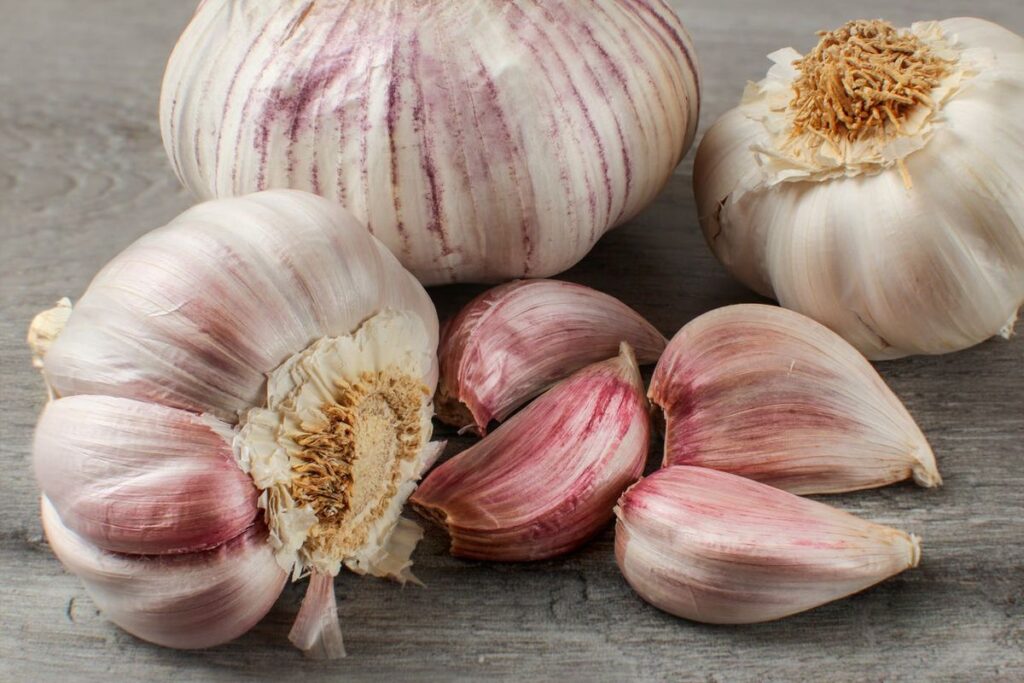
If you’re looking to add a flavorful and aromatic ingredient to your cooking repertoire, consider growing your own red garlic. This versatile vegetable is easy to cultivate, and with the right guidance, you can enjoy a bountiful harvest.
What is Red Garlic?
Red garlic (Allium sativum) is one of many varieties of garlic available in most supermarkets. It’s also an attractive addition to any garden, thanks to its unique, curly green shoots that unfurl into straight stalks in autumn. The bulb itself tends towards a deep purple color and can be successfully grown throughout much of Italy.
Red garlic has several distinct characteristics that set it apart from other types of garlic. Its flavor profile is often described as sweeter and more complex than traditional white or yellow garlic, with notes of fruitiness and spice. This makes red garlic an excellent choice for cooking a wide range of dishes, from Mediterranean-inspired recipes to Asian-style stir-fries.
Getting Started with Red Garlic
Growing red garlic is a relatively straightforward process. Begin by digging up the area where you plan to plant your bulbs, removing any rocks or other obstructions that may interfere with growth underground. Add a thin layer of compost to create a well-draining, nutrient-rich soil bed.
Compost plays an essential role in creating a healthy environment for red garlic to grow. This natural fertilizer provides vital nutrients and helps to improve the overall structure of the soil. It also helps to break down any existing organic matter, making it easier for your bulbs to absorb what they need to thrive.
Choosing the Right Time to Plant
The ideal time to plant red garlic is in autumn (late October to early November), as this allows the bulbs to mature before the winter months. However, the specific planting window may vary depending on your location and climate.
In warmer climates, it’s essential to plan ahead and allow for a longer growing season. Red garlic typically takes around 120-150 days from planting to harvesting, so you’ll want to ensure that the weather is conducive to growth throughout this period.
Spacing Between Bulbs
It’s essential to leave sufficient space between each bulb, typically around 10 centimeters (4 inches). While red garlic can thrive in close proximity, it’s better to err on the side of caution and avoid overcrowding to prevent disease and pest issues.
Overcrowding can also lead to increased competition for resources such as water and nutrients. When bulbs are too close together, they may not receive enough sunlight or air circulation, which can weaken their overall health and make them more susceptible to pests and diseases.
The Cultivation Process
Once you’ve prepared the soil, water your bulbs gently but thoroughly. Red garlic prefers a moist, well-draining environment but should not be overwatered. Finally, cover the planting bed with a layer of straw, hay, or other organic material to protect the developing shoots from frost.
As the weather warms up in spring, remove the covering and continue to water your garlic regularly. Keep the soil consistently moist but not waterlogged, as this can cause the bulbs to rot.
What You’ll Need to Grow Red Garlic
To successfully grow red garlic, you’ll need:
- A shovel or trowel for digging
- Compost to enrich the soil
- Straw or hay for mulching
- Fertilizer (such as compost tea)
- Pruning tools (e.g., scissors or pruning shears)
Tips and Tricks
Here are some additional tips to keep in mind when growing red garlic:
- If the pH level of your soil is below 5.5, consider adding lime or dolomitic limestone to adjust the pH.
- Be mindful of the climate in your area and plan accordingly. In warmer climates, red garlic may mature more quickly than in cooler regions.
- To preserve the integrity of your bulbs, avoid storing them in a refrigerator, as this can cause them to sprout.
Common Issues
Red garlic is generally a hardy crop, but it’s not immune to pests and diseases. Some common issues you may encounter include:
- Garlic rot: A white, powdery fungus that can infect the bulb if left unchecked.
- Aphids and other pests: These can damage the plant and reduce yields.
Growing Red Garlic with Other Plants
Did you know that planting red garlic alongside other vegetables can have benefits for your garden? For example:
- Planting garlic near roses can help repel aphids and other pests.
- Garlic’s sulfur compounds can also be used as a natural pesticide, making it an excellent companion plant for brassicas, spinach, and other crops.
However, avoid planting red garlic too close to legumes like beans or peas, as this can lead to competition for resources.
Companion Planting
Red garlic is an excellent addition to many gardens due to its numerous benefits. Some popular companion plants that pair well with garlic include:
- Asparagus: This perennial vegetable is a natural fit for garlic, providing protection from pests and improving soil health.
- Carrots: Garlic repels carrot rust flies, making it easier to grow carrots in your garden.
- Radishes: Red garlic can help repel cucumber beetles and other pests that target radishes.
Growing Red Garlic in Containers
While red garlic is typically grown in the ground, you can also successfully cultivate it in containers. To ensure optimal growth, follow these guidelines:
- Choose a container with good drainage to prevent waterlogged soil.
- Use a well-draining potting mix specifically designed for garlic cultivation.
- Plant your bulbs about 6-8 inches deep, depending on the size of your container.
Conclusion
Growing your own red garlic is a rewarding experience that requires minimal effort but yields impressive results. By following these guidelines and tips, you’ll be well on your way to harvesting a bountiful crop of flavorful, aromatic garlic to enjoy in your cooking all year round.
With its numerous health benefits, versatility in the kitchen, and relatively low maintenance requirements, red garlic is an excellent addition to any garden or cooking repertoire. Whether you’re a seasoned gardener or just starting out, this comprehensive guide will provide you with everything you need to know to grow succulent red garlic bulbs that will elevate your culinary creations.
Frequently Asked Questions (FAQs)
Here are some common questions about growing red garlic:
Q: What is the best soil pH for growing red garlic?
A: Red garlic prefers a slightly acidic to neutral soil pH between 6.0 and 7.0.
Q: How often should I water my red garlic plants?
A: Water your garlic regularly, but avoid overwatering, which can cause the bulbs to rot.
Q: Can I grow red garlic in containers?
A: Yes, you can grow red garlic in containers, but ensure the container is at least 6-8 inches deep and has good drainage.
Q: How long does it take for red garlic to mature?
A: Red garlic typically takes around 120-150 days from planting to harvesting.
Q: Can I use mulch on my red garlic plants?
A: Yes, mulching can help retain moisture in the soil and regulate soil temperature.
Q: Are there any diseases or pests that affect red garlic?
A: Garlic rot is a common issue, but proper care and maintenance can prevent most problems.


