
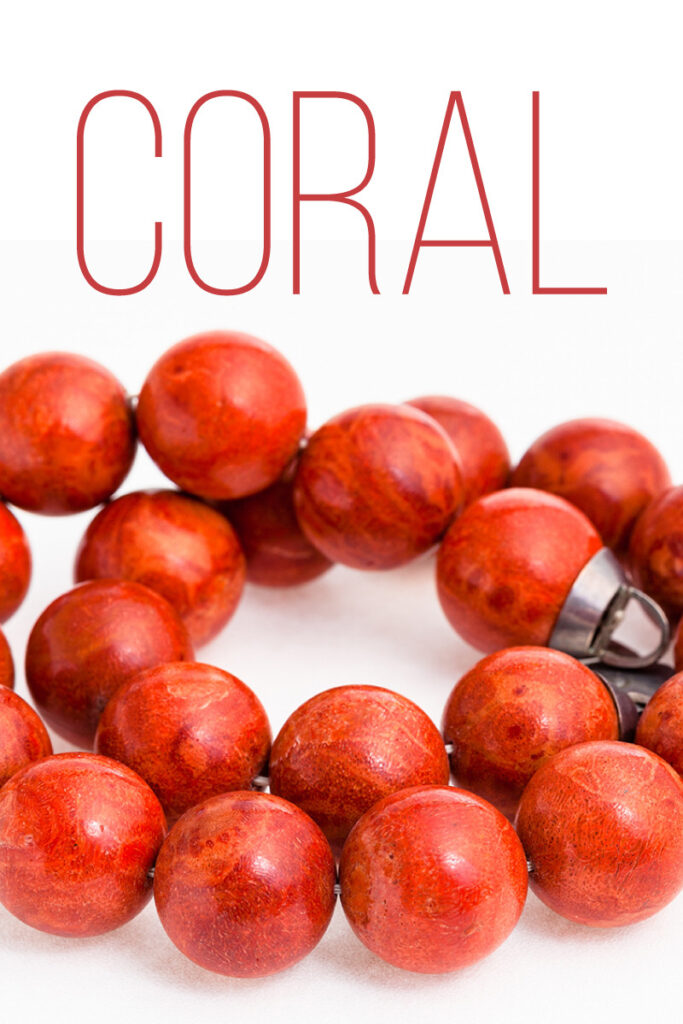
As we explore the world of coral, it’s essential to appreciate its natural beauty and respect its unique characteristics. The red coral is a fascinating element in nature that can be found in various forms, from jewelry to decorative items.
What is Red Coral?
Red coral is a type of marine organism that belongs to the genus Corallium. It is characterized by its distinctive red color, which can range from pink to purple hues. The coral’s shape and structure are also unique, with colonies that can grow up to 30 cm in height.
How Can You Identify Red Coral?
To identify red coral, look for its characteristic features:
- Its reddish-purple color, often accompanied by white polyps
- Colonies with a branching or fan-like shape
- A hard, calcareous skeleton that provides support and structure
Red coral can be found in various parts of the world, including the Mediterranean Sea and the Atlantic Ocean. However, it is an endangered species due to overfishing and habitat destruction.
Properties of Red Coral
Red coral has several unique properties that make it valuable:
- Color: The red color of the coral is due to the presence of carotenoid pigments.
- Durability: The hard calcareous skeleton makes red coral resistant to decay and damage.
- Rarity: Red coral is an endangered species, making it scarce and valuable.
How Does Red Coral Grow?
Red coral grows slowly, with a growth rate of 3-4 cm per year. It requires specific conditions to thrive, including:
- Salinity: A stable salinity level is essential for red coral growth.
- Currents: Low currents help prevent damage and promote growth.
- Light: Red coral prefers low-light conditions, making it suitable for areas with limited sunlight.
Where Can You Find Red Coral?
Red coral can be found in various parts of the world, including:
- Mediterranean Sea: The Mediterranean is home to a significant population of red coral.
- Atlantic Ocean: Red coral can also be found in the Atlantic Ocean, particularly in areas with low currents and limited sunlight.
How Much Does Red Coral Cost?
The cost of red coral jewelry can vary greatly depending on factors such as:
- Quality: The quality of the coral, including its color and size, affects the price.
- Design: The design and craftsmanship of the jewelry also impact the price.
- Rarity: The scarcity of red coral makes it a valuable and expensive material.
Conservation Status of Red Coral
Red coral is listed as an endangered species by the International Union for Conservation of Nature (IUCN). The main threats to its survival are:
- Overfishing: Red coral is targeted for its skeleton, which is used in jewelry making.
- Habitat destruction: Coral reefs, where red coral grows, are often damaged or destroyed due to human activities such as coastal development and pollution.
Sustainable Use of Red Coral
To ensure the long-term survival of red coral, it’s essential to adopt sustainable practices:
- Only use sustainably sourced materials: Ensure that your coral is obtained from a reputable source that adheres to responsible fishing and conservation practices.
- Support conservation efforts: Donate to organizations working to protect coral reefs and marine ecosystems.
Cultural Significance of Red Coral
Red coral has been used in jewelry making for centuries, particularly in the Mediterranean region. It’s also an important part of many cultural traditions:
- Symbolism: In some cultures, red coral is considered a symbol of good luck, prosperity, and love.
- Artistic value: Red coral is prized for its unique shape and color, which makes it a popular choice for artists and craftspeople.
Conclusion
Red coral is a unique and fascinating element in nature that requires specific conditions to thrive. Its properties make it valuable, but its rarity and endangered status have led to concerns about overfishing and habitat destruction. As we appreciate the beauty of red coral, let’s also ensure its conservation for future generations.
Frequently Asked Questions
- What is the scientific name of the red coral?
- Corallium rubrum
- Where can I find red coral?
- Mediterranean Sea and Atlantic Ocean
- How does red coral grow?
- Slowly, with a growth rate of 3-4 cm per year
- What are the conditions required for red coral to thrive?
- Stable salinity level, low currents, and limited sunlight
- Can I buy red coral jewelry online?
- Yes, but be aware that the quality and authenticity of the coral may vary
- Is red coral a sustainable material?
- No, due to overfishing and habitat destruction
- How can I help conserve red coral?
- Support organizations working to protect coral reefs and marine ecosystems
- Can I use red coral in jewelry making?
- Yes, but ensure that you purchase from a reputable source to avoid contributing to the decline of this endangered species


