
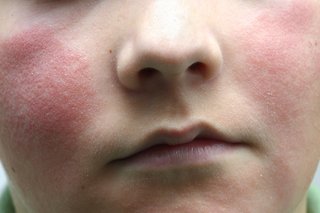
Understanding Red Cheeks in Children: Causes and Remedies
As a parent, it’s natural to notice red cheeks on your child. While some cases may be harmless, others can be a sign of an underlying issue. In this article, we’ll delve into the possible causes of red cheeks in children, from common allergies and skin conditions to less frequent but more serious health problems.
What Causes Red Cheeks in Children?
Red cheeks in children can be caused by various factors, including:
- Allergies: Food, environmental, or skin allergies can lead to inflammation and redness.
- Skin Conditions: Rosacea, dermatitis seborroica, couperose, and eczema are just a few examples of conditions that can cause red cheeks.
- Sun Exposure: Prolonged exposure to the sun’s UV rays can cause sunburn, leading to redness.
- Infections: Viral or bacterial infections, such as roseola or sepsis, can manifest with red cheeks.
Common Causes of Red Cheeks in Children
Some common causes of red cheeks in children include:
- Allergies: Food allergies, environmental allergies, and skin allergies can cause redness.
- Skin Conditions: Rosacea, dermatitis seborroica, couperose, eczema, and acne are common skin conditions that can lead to red cheeks.
- Sun Exposure: Prolonged sun exposure can cause sunburn, leading to redness.
Less Common Causes of Red Cheeks in Children
While less common, these health problems can still manifest with red cheeks:
- Roseola: A viral infection that causes a high fever and rash.
- Sepsis: A life-threatening condition caused by an overwhelming immune response to infection.
- Meningitis: An inflammation of the membranes surrounding the brain and spinal cord.
Red Cheeks in Neonates
Newborns can experience red cheeks due to:
- Allergic reactions: To substances like milk, food, or environmental allergens.
- Skin conditions: Such as eczema or dermatitis seborroica.
Fever-Related Red Cheeks in Children
In some cases, red cheeks in children may be a sign of fever. If your child has:
- A high fever
- A rash
- Nasal congestion
it’s best to consult with a pediatrician to determine the underlying cause.
Natural Remedies for Red Cheeks
Some natural remedies can help soothe red cheeks:
- Calendula Cream: Apply calendula cream topically to reduce inflammation and promote healing.
- Sun protection: Use sunscreen, hats, and clothing to protect your child’s skin from the sun.
Conclusion
Red cheeks in children can be caused by various factors, ranging from common allergies and skin conditions to less frequent but more serious health problems. By understanding the possible causes of red cheeks and consulting with a pediatrician when needed, you can help your child feel comfortable and healthy again.
Frequently Asked Questions (FAQs)
- What are some common allergens that can cause red cheeks in children?
- Food allergies: Milk, eggs, peanuts, tree nuts, fish, shellfish
- Environmental allergies: Pollen, dust mites, pet dander
- Skin allergies: Contact dermatitis
- Can sun exposure cause red cheeks in children?
Yes, prolonged sun exposure can lead to sunburn and redness. - How do I treat red cheeks caused by allergies?
Apply a topical cream or ointment containing antihistamines or corticosteroids, and consider taking an oral antihistamine or corticosteroid medication if necessary. - What are some natural remedies for red cheeks in children?
Calendula cream, sun protection (sunscreen, hats, clothing) - When should I consult with a pediatrician about my child’s red cheeks?
If your child has a fever, rash, or other symptoms that concern you. - Can red cheeks be a sign of an underlying health problem in children?
Yes, less common causes like roseola, sepsis, and meningitis can manifest with red cheeks. - How do I protect my child’s skin from the sun?
Use sunscreen, hats, clothing, and seek shade when spending time outdoors.
Recognizing the Symptoms of Red Cheeks in Children
Knowing the symptoms of red cheeks in children is crucial for early detection and treatment:
- Redness: A flushed appearance on the face, cheeks, or neck.
- Swelling: Inflammation or swelling around the affected area.
- Itching: Discomfort or itching sensations on the skin.
What to Do If You Notice Red Cheeks in Your Child
If you notice red cheeks in your child:
- Observe: Monitor your child’s behavior, temperature, and other symptoms.
- Consult: Speak with a pediatrician if your child’s condition persists or worsens.
- Treat: Follow the pediatrician’s advice for treating allergies, sun exposure, or infections.
Conclusion
Understanding red cheeks in children requires awareness of their causes, symptoms, and potential health risks. By recognizing early signs and consulting with a pediatrician when needed, you can provide your child with the necessary care and attention to alleviate discomfort and address any underlying conditions.
Glossary of Terms: Red Cheeks in Children
- Allergies: An overreaction by the immune system to substances like food, environmental allergens, or skin allergens.
- Antihistamines: Medications that relieve symptoms of allergies, such as itching and redness.
- Calendula cream: A topical cream containing calendula extract, which can help soothe and heal irritated skin.
- Contact dermatitis: An allergic reaction to substances like soap, detergents, or fabric dyes.
- Corticosteroids: Medications that reduce inflammation and swelling in the body.
- Couperose: A rare condition characterized by dilated blood vessels in the face and neck, leading to redness and flushing.
- Dermatitis seborroica: A skin condition causing flaky, oily patches on the scalp, face, and torso.
- Eczema: A chronic inflammatory condition causing dry, itchy skin.
- Fever: A higher-than-normal body temperature, usually above 100.4°F (38°C).
- Infections: Conditions caused by bacteria or viruses that can manifest with red cheeks.
- Meningitis: An inflammation of the membranes surrounding the brain and spinal cord.
- Nasal congestion: Coughing, sneezing, or nasal discharge due to allergies, colds, or sinus infections.
- Oral antihistamine: Medications taken orally to relieve symptoms of allergies.
- Roseola: A viral infection causing a high fever and rash in infants and young children.
- Sepsis: A life-threatening condition caused by an overwhelming immune response to infection.
- Skin conditions: Conditions affecting the skin, such as eczema, rosacea, or couperose.
Resources
If you’re concerned about your child’s red cheeks, consult with a pediatrician or healthcare professional. For more information on red cheeks in children:
- American Academy of Pediatrics (AAP): www.aap.org
- Centers for Disease Control and Prevention (CDC): www.cdc.gov
Disclaimer
The information provided in this article is for general purposes only. Always consult with a pediatrician or healthcare professional for personalized advice on red cheeks in children.


