
Introduction
As the seasons change and winter approaches, our thoughts often turn to hearty, comforting dishes that warm the soul. One ingredient that’s sure to do just that is the humble beet. Whether you’re a seasoned chef or a culinary newbie, beets are an excellent choice for adding depth and flavor to your meals. In this article, we’ll delve into the world of beets, exploring their history, cultivation, nutritional benefits, and most importantly, how to cook them.
Beet Recipes: A Taste of Tradition
Beets have been a staple in Mediterranean cuisine for centuries, and their popularity endures to this day. Here are three recipes that showcase the versatility of these sweet and savory roots:
- Red Beet Ziti: A classic Italian dish that’s both comforting and flavorful.
- Red Beet Risotto: A creamy, indulgent treat that’s perfect for special occasions.
- Red Beet Tagliatelle with Pistachios: Fresh pasta meets the sweetness of beets in a match made in culinary heaven.
The Power of Beets: Nutrition and Benefits
Beets are more than just a tasty addition to your meals; they’re also a nutritional powerhouse. Here are some of the key benefits:
- Low Calorie Content: Beets are low in calories, making them an excellent choice for those watching their weight.
- High Mineral Quantity: Beets are rich in minerals like potassium, magnesium, and iron, which can help boost energy levels and support overall health.
- Antioxidant Properties: Beets contain a range of antioxidants, including betalains and polyphenols, that can help protect against cell damage and inflammation.
Beet Cultivation: A Guide to Growing Your Own
If you’re feeling adventurous, why not try growing your own beets? Here’s a brief guide to get you started:
- Easy to Grow: Beets are relatively easy to cultivate, making them perfect for beginners.
- Adaptable Soil: Beets can thrive in a variety of soils, from clay to loam.
- Cool Season Crop: Beets prefer cooler temperatures and can be grown in early spring or late summer.
Tips for Growing Beets at Home
Here are some additional tips to keep in mind when growing your own beets:
- Choose a sunny location with well-draining soil.
- Sow seeds about 1 inch deep and 1-2 inches apart.
- Keep the soil consistently moist during the growing season.
- Harvest beets when they’re between 1-2 inches in diameter.
Recipe: Roasted Red Beet Salad
This simple yet flavorful salad is perfect for showcasing the sweetness of roasted beets:
- Ingredients:
- 2 large red beets
- 1/4 cup olive oil
- 2 tablespoons balsamic vinegar
- 1 tablespoon honey
- Salt and pepper to taste
- Fresh arugula or spinach leaves
- Crumbly goat cheese (optional)
- Procedure:
- Preheat the oven to 425°F (220°C).
- Wrap the beets in foil and roast for about 45 minutes, or until tender.
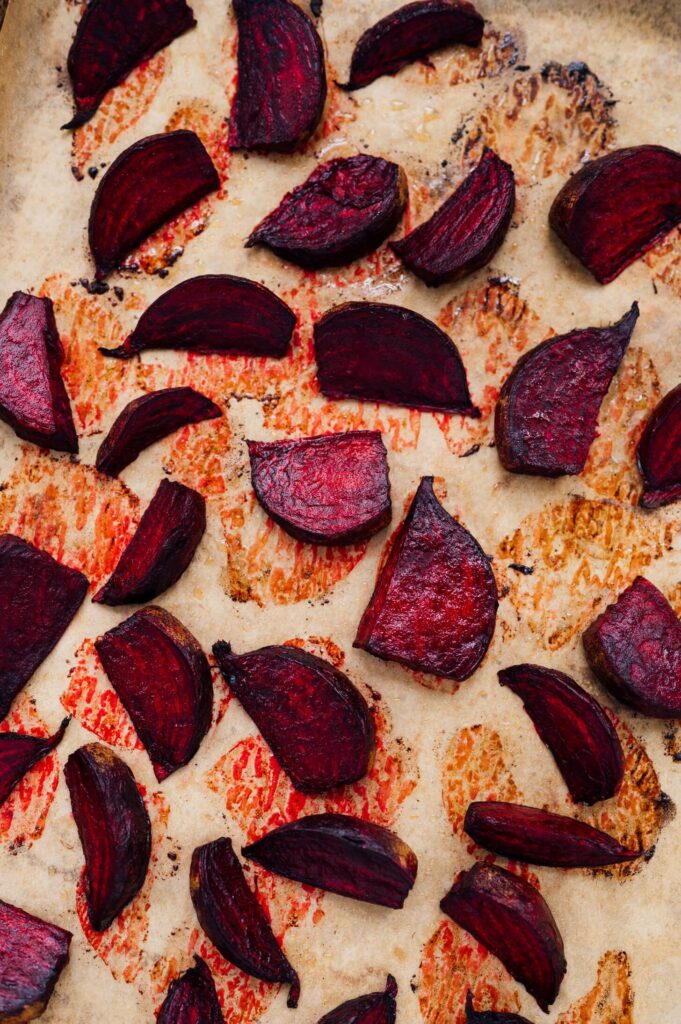
- Let the beets cool slightly before peeling and slicing them into wedges.
- In a small bowl, whisk together the olive oil, balsamic vinegar, and honey.
- Arrange the arugula or spinach leaves on a plate or in a shallow bowl.
- Top the greens with the roasted beet slices and drizzle with the dressing.
- If using goat cheese, crumble it over the top of the salad.
Conclusion
Beets are a culinary treasure trove, offering a world of flavors and nutritional benefits. Whether you’re a seasoned chef or just starting to explore the world of cooking, beets are an excellent choice for adding depth and excitement to your meals. With their rich history, adaptability, and versatility, it’s no wonder that beets remain a staple in many cuisines around the world.
FAQs
- What is the best way to store beets?
- Store beets in a cool, dry place or in the refrigerator.
- Can I grow my own beets at home?
- Yes, beets are relatively easy to cultivate and can thrive in a variety of soils.
- How do I choose the best beets for cooking?
- Look for firm, dark red roots with no signs of mold or bruising.
- Can I use beets in savory dishes?
- Absolutely; beets pair well with a range of ingredients, from meats to cheeses.
- Are beets suitable for low-calorie diets?
- Yes, beets are low in calories and high in minerals like potassium, magnesium, and iron.
Additional Resources
For more information on beets, check out these additional resources:
- The Beet Farm: A comprehensive guide to growing and cooking beets.
- Beetology: A blog dedicated to the culinary and cultural significance of beets.
- The Beet Journal: A online community for beet enthusiasts to share recipes and stories.
By exploring the world of beets, you’ll discover a rich tapestry of flavors and nutritional benefits that can elevate your cooking to new heights. Whether you’re a seasoned chef or just starting to explore the world of cooking, beets are an excellent choice for adding depth and excitement to your meals.


