
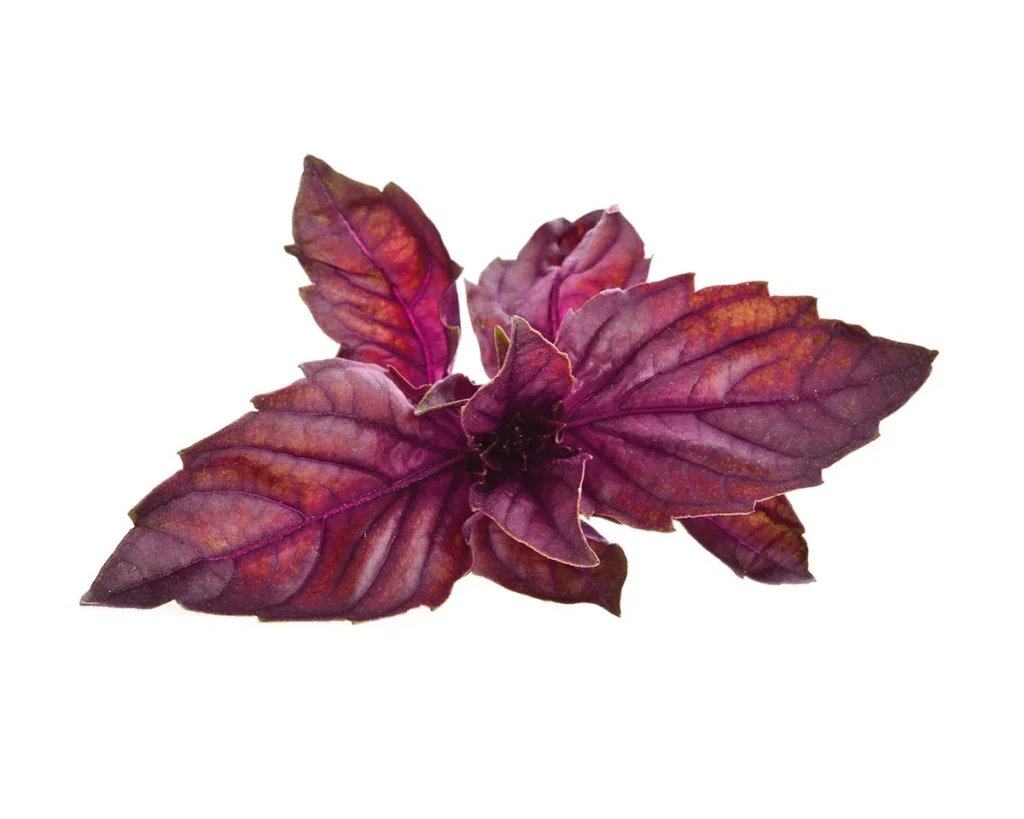
As a seasoned gardener or culinary enthusiast, you’re likely familiar with the concept of basilico rosso – also known as red basil or viola basil. This exquisite variety of Ocium basilicum has captured the hearts of many due to its stunning color, impressive aroma, and versatility in cooking.
In this comprehensive article, we’ll delve into the fascinating world of red basilico, exploring its origins, characteristics, cultivation requirements, uses, and where to find it.
Basilico Rosso: Origins and Characteristics
The red basilico is a result of extensive breeding by botanists Joseph Lent and John Scarchuk from the University of Connecticut in the 1950s. The goal was to create a more valuable culinary variety with higher essential oil content, rather than focusing on visually striking coloration. As it turns out, this attention-grabbing hue is linked to an elevated concentration of anthocyanins, particularly cianidin-3-5-glucoside and other compounds known as cyanidines.
The presence of these antioxidant-rich compounds contributes to the herb’s impressive health benefits. In fact, the red basilico earned the All-America Selections (AAS) award in 1962 for its exceptional flavor profile.
Physical Characteristics
Red basilico boasts large, toothed leaves with deep purplish-violet hues, making it a visually stunning addition to any garden or kitchen. The flowers are a striking rose color and this plant is an annual that thrives rapidly, reaching medium heights of 30-50 cm in ideal conditions.
In optimal settings, the red basilico can even reach up to 60 cm in height – a testament to its vigorous growth potential.
Basilico Rosso: Cultivation
Compared to its green counterpart, the red basilico requires more temperate temperatures to flourish and express its full aroma. The ideal temperature range for this plant is between 20-25°C during the day, with nighttime temperatures above 12°C.
When it comes to cultivating red basilico, you can either start from seed or transplant.
When to Sow Red Basilico Seeds
In fertile soil, red basilico seeds can be sown in late spring or early summer, depending on your location. For regions with mild winters, the best time to sow is between April and June.
Sowing indoors under a grow light is also an option for seedlings that are then transplanted outside when the weather permits.
Caring for Red Basilico
Red basilico thrives in sunny spots but can tolerate partial shade. It’s highly sensitive to frost, so it’s best to sow seeds or transplant the plants after the last frost date in your area.
To promote healthy growth and prevent pests from getting their hands on your red basilico, make sure to:
- Pinch off flower buds regularly
- Water plants consistently but avoid overwatering
- Fertilize with organic matter
Culinary Uses of Red Basilico
Red basilico is versatile enough to be used in a wide variety of dishes, from classic pesto recipes to more modern creations. Its unique flavor profile and intense color make it an excellent addition to various culinary applications.
Some popular uses for red basilico include:
- Pesto sauces
- Salads
- Sauces
- Bruschetta toppings
- Pizza toppings
Growing Red Basilico in Containers
If you’re looking to grow your own red basilico indoors or outdoors, cultivating it in a container can be a viable option. To ensure optimal growth and health:
- Use a large enough pot (at least 6-8 inches deep)
- Provide bright sunlight but avoid direct midday sun
- Maintain consistent moisture levels
Where to Buy Red Basilico
Due to its limited cultivation, finding red basilico seeds or plants in local nurseries can be challenging. Fortunately, there are numerous online resources where you can purchase these hard-to-find varieties.
For example, a pack of red basilico seeds can cost around 4 euros with shipping included on Amazon – an incredibly affordable option for any serious plant enthusiast or home cook.
Common Varieties of Red Basilico
There are several popular varieties of red basilico that are known for their unique characteristics and growth habits. Some of these include:
- ‘Red Rubin’: A compact, bushy variety that is ideal for small gardens or containers.
- ‘Rucola Rouge’: A heat-tolerant variety with a sweet, peppery flavor.
- ‘Red Currant Basil’: A delicate, fragrant variety with large leaves and a vibrant red color.
Tips for Growing Red Basilico
Growing red basilico requires some special care, but with the right techniques and attention to detail, you can enjoy this beautiful herb year-round. Here are some additional tips to keep in mind:
- Deadheading: Regularly remove spent flowers to encourage bushy growth and prevent seed production.
- Pruning: Pinch off weak or leggy stems to promote a more compact, even shape.
- Mulching: Apply a layer of mulch around the base of your red basilico plants to retain moisture and suppress weeds.
Nutritional Benefits of Red Basilico
Red basilico is an excellent source of essential nutrients, including vitamins A and C, potassium, and antioxidants. The unique anthocyanins present in this herb have also been linked to various health benefits, such as:
- Anti-inflammatory effects
- Cardiovascular protection
- Antioxidant activity
Growing Red Basilico Indoors
If you want to grow your own red basilico indoors, here are some tips for success:
- Choose a container with good drainage and a minimum capacity of 6-8 inches deep.
- Provide bright, indirect light – avoid direct sunlight, which can cause scorching.
- Maintain consistent temperatures between 18-25°C (64-77°F).
- Water plants regularly but avoid overwatering.
Growing Red Basilico Outdoors
If you’re planning to grow your red basilico outdoors, make sure to choose a location that receives at least partial shade. Here are some additional tips for outdoor growth:
- Select a spot with well-draining soil and full sun to partial shade.
- Fertilize regularly with organic matter to promote healthy growth.
- Prune plants regularly to encourage bushy growth and prevent legginess.
Where to Find Red Basilico
Due to its limited cultivation, finding red basilico seeds or plants in local nurseries can be challenging. Fortunately, there are numerous online resources where you can purchase these hard-to-find varieties.
Some popular places to buy red basilico include:
- Amazon
- Burpee Seeds
- Renee’s Garden Seeds
Conclusion
In this comprehensive guide to the fascinating world of red basilico, we’ve explored its origins, characteristics, cultivation requirements, uses, and where to find it. Whether you’re a seasoned gardener or culinary expert looking for new flavors to incorporate into your dishes, red basilico is sure to captivate your senses with its unique aroma and striking color.
Frequently Asked Questions
- What’s the best way to store red basilico seeds?
Red basilico seeds should be stored in an airtight container at room temperature (around 20°C/68°F) away from direct sunlight. - How do I care for red basilico plants indoors?
To ensure healthy growth, keep your red basilico plant in a spot with bright, indirect light and maintain consistent temperatures between 18-25°C (64-77°F). - Can I grow red basilico outdoors year-round?
While it’s technically possible to cultivate red basilico outside throughout the year, the ideal temperature range for optimal growth is between 15-25°C (59-77°F), making spring and summer the most suitable seasons. - How often should I water my red basilico plant?
Water your red basilico consistently but avoid overwatering by checking the soil moisture regularly and adjusting your watering schedule accordingly. - Is red basilico safe to eat raw?
Raw red basilico leaves can be safely consumed, but make sure to choose fresh, organic varieties with no signs of pests or diseases. - Can I grow multiple varieties of basil in the same container?
While it’s technically possible to grow multiple types of basil together, consider separating them by variety to prevent disease and promote healthy growth. - How do I propagate red basilico?
You can propagate red basilico through seed or division – make sure to choose healthy plants with no signs of pests or diseases.
By following these tips and techniques, you can enjoy the beauty and benefits of red basilico year-round. Happy growing!


