
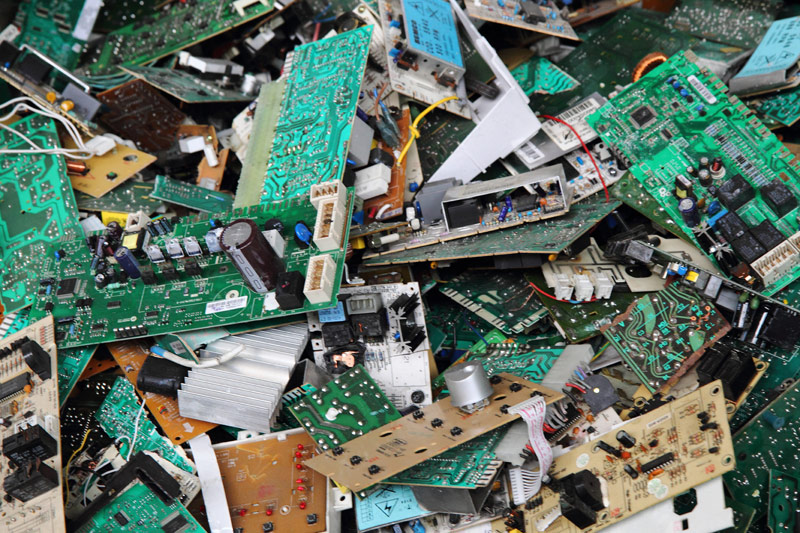
Understanding the Problem
In recent years, the amount of discarded electrical and electronic waste (E-Waste) has been growing exponentially. The statistics are alarming: in 2012, there were over 21,240 tons of monitors and TVs collected, accounting for 57.7% of all E-Waste. This trend is expected to continue unless we take action to address the issue.
What is E-Waste?
E-Waste refers to discarded electronic devices that contain hazardous materials such as lead, mercury, and cadmium. These toxins can contaminate soil, air, and water if not disposed of properly. The most common types of E-Waste include:
- Monitors and TVs: 21,240 tons collected in 2012
- Frigorifers and air conditioners: 7,127 tons
- Computers and small appliances: 5,832 tons
- Large appliances: 2,605 tons
The Benefits of Recycling E-Waste
Recycling E-Waste correctly means recovering valuable materials and reducing the need for primary production. This approach has numerous benefits:
- Energy savings: The ReMedia system has saved 221,561,675 kWh of energy in 2012, equivalent to the consumption of a city with 197,000 inhabitants.
- Greenhouse gas reduction: By recycling E-Waste, we can reduce greenhouse gas emissions by 197,651 tons CO2 equivalent, which is equivalent to the emissions from 22,000 cars with an annual mileage of 30,000 kilometers.
The Recycling Process
The ReMedia system collects and recycles E-Waste in a sustainable manner. The process involves:
- Collection: E-Waste is collected from households, businesses, and institutions.
- Sorting: Collected materials are sorted based on their type and composition.
- Material recovery: Valuable materials such as metals, plastics, and glass are recovered and processed.
Material Recovery Rates
In 2012, the ReMedia system achieved an impressive material recovery rate of 88.9%. The most common fractions recovered were:
- Ferrous metals: over 12,000 tons
- Glass: around 10,000 tons
- Plastics: approximately 8,500 tons
- Copper and aluminum: 1,200 and 500 tons respectively
Challenges in E-Waste Recycling
Despite the benefits of recycling E-Waste, several challenges need to be addressed:
- Lack of infrastructure: In many parts of the world, there is a lack of suitable facilities for E-Waste recycling.
- Inadequate regulations: Laws and regulations governing E-Waste management are often inadequate or non-existent.
- Public awareness: Many people are unaware of the importance of proper E-Waste disposal and the risks associated with improper disposal.
Solutions to the Challenges
To overcome the challenges in E-Waste recycling, several solutions can be implemented:
- Establishing infrastructure: Governments and organizations can invest in establishing suitable facilities for E-Waste recycling.
- Strengthening regulations: Laws and regulations governing E-Waste management should be strengthened to ensure that companies and individuals are held accountable for their actions.
- Public awareness campaigns: Educational programs can be launched to raise public awareness of the importance of proper E-Waste disposal.
Conclusion
The importance of recycling E-Waste cannot be overstated. By adopting sustainable practices, we can reduce the environmental impact of our actions and create a better future for generations to come.
Frequently Asked Questions (FAQs)
- What is the most common type of E-Waste?
- Monitors and TVs
- How much energy has been saved through E-Waste recycling in 2012?
- 221,561,675 kWh
- How many tons of CO2 equivalent have been reduced through E-Waste recycling in 2012?
- 197,651 tons
- What is the material recovery rate for E-Waste in 2012?
- 88.9%
- Which materials are most commonly recovered from E-Waste?
- Ferrous metals, glass, plastics, copper, and aluminum
Best Practices for E-Waste Recycling
To ensure that E-Waste is recycled correctly, the following best practices should be adopted:
- Segregation: Separation of E-Waste into different categories to facilitate recycling.
- Proper disposal: Disposal of non-recyclable materials such as batteries and hazardous chemicals.
- Training: Regular training for personnel involved in E-Waste management to ensure that they are equipped with the necessary knowledge and skills.
The Future of E-Waste Recycling
The future of E-Waste recycling looks promising, with several initiatives underway to improve the efficiency and sustainability of the process:
- Extended Producer Responsibility (EPR): Companies will be held responsible for the waste generated by their products.
- Closed-loop recycling: Products are designed to be recycled and reused at the end of their life cycle.
Conclusion
The importance of recycling E-Waste cannot be overstated. By adopting sustainable practices, we can reduce the environmental impact of our actions and create a better future for generations to come.


