As we navigate the complexities of sustainability, it’s essential to explore innovative ways to reuse and recycle materials. One such example is the creative recycling of PET bottles, which has become increasingly popular in recent years. In this article, we’ll delve into the world of PET bottle recycling, exploring its benefits, applications, and potential.
The Creative Side of Recycling: Turning PET Bottles into Functional Items
In the domestic sphere, PET bottle recycling has given rise to creative projects that showcase the versatility of these plastic containers. For instance, a community in Pedaso created an impressive Christmas tree using 2,400 recycled PET bottles, all illuminated with LED lights. This project demonstrates the potential for creativity and innovation in recycling.
Unlocking the Potential of PET Bottle Recycling
PET bottle recycling has numerous applications across various industries, including:
- Automotive: Recycled PET can be used to produce components for the automotive sector.
- Textile Industry: The plastic material can also be utilized in clothing production.
- Construction: It may even contribute to building materials and insulation.
These potential applications highlight the significance of PET bottle recycling as a valuable resource, rather than simply being waste.
Creative Projects Using Recycled PET Bottles
With some creativity, recycled PET bottles can become functional items like:
- A vertical garden for indoor plants
- An automatic irrigation system
- A chicken watering station
- Mini greenhouses
These projects not only reduce waste but also provide an opportunity to get creative and experiment with new ideas.
Understanding the Types of Plastic
Before recycling, it’s crucial to identify the type of plastic used in the bottles. The most common types include:
- PET (Polyethylene Terephthalate): Used for bottles and fiber production
- PE (Polyethylene): Used primarily for packaging materials like bags and containers
- PP (Polpropilene): Used for household items, such as cups and storage containers
- PVC (Chlorinated Polyvinyl Chloride): Used for pipes, fittings, and vinyl products
Each type of plastic has distinct properties and uses, making proper separation essential before recycling.
The Recycling Process
Before recycling, each type of plastic undergoes a rigorous selection process. The goal is to ensure that the correct materials are separated from other plastics, as they have different applications.
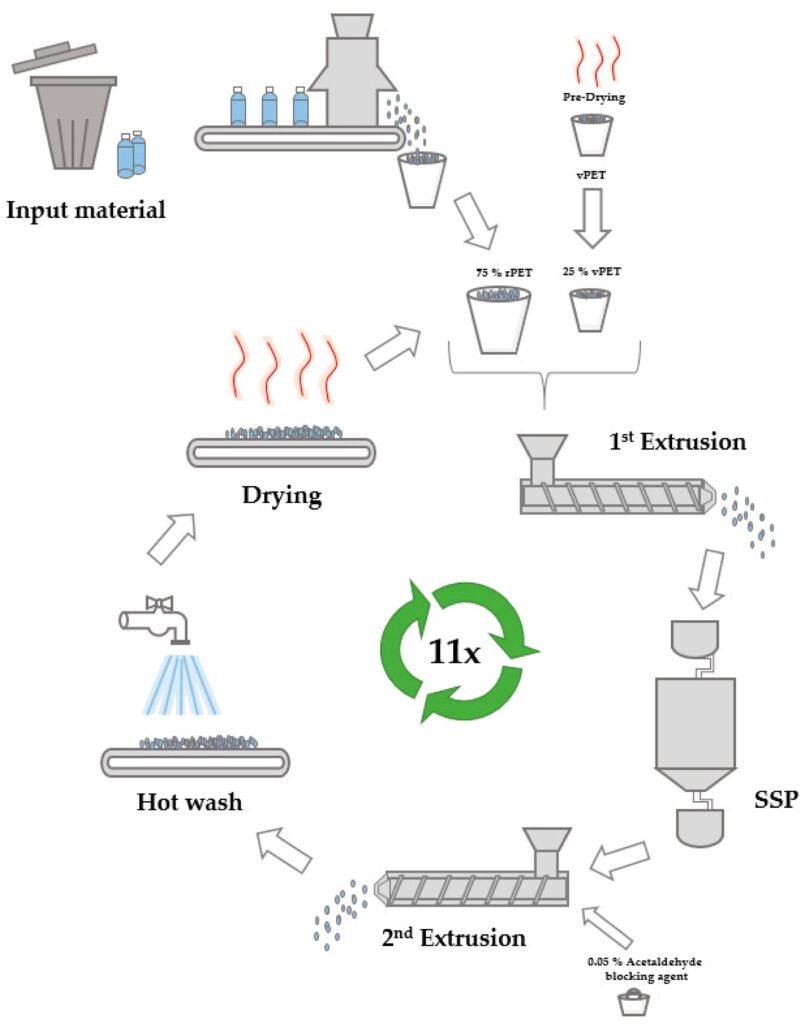
Here’s an overview of the recycling process:
- Collection: Plastic bottles are collected from households and businesses.
- Sorting: Bottles are sorted based on their type (PET, PE, PP, PVC).
- Cleaning: Bottles are cleaned to remove contaminants.
- Shredding: Bottles are shredded into small pieces.
- Melting: The plastic is melted down and transformed into a raw material.
By understanding the creative potential of PET bottle recycling and the various types of plastics involved, we can unlock new possibilities for reducing waste and promoting sustainability.
Frequently Asked Questions
- What items can be recycled?
- Plastic bottles (PET, PE, PP, PVC)
- Other household items like containers, bags, and packaging materials
- Why is plastic sorting important?
- Ensures that the correct materials are separated for proper recycling
- Prevents contamination of other plastics
- Can I recycle all types of plastics?
- No; each type has distinct properties and uses
- Proper separation is essential before recycling
- How can I get involved in PET bottle recycling?
- Participate in local community initiatives or start your own project
- Educate others about the benefits of creative recycling
Challenges and Opportunities
While PET bottle recycling has numerous benefits, there are also challenges to consider:
- Infrastructure: Recycling facilities may not be available in all areas.
- Education: Lack of awareness among consumers about the importance of recycling.
- Contamination: Plastics can be contaminated with other materials, making them unusable.
However, these challenges also present opportunities for innovation and growth:
- Advancements in technology: Improved recycling processes and facilities are being developed.
- Increased awareness: Educational campaigns and community initiatives are raising awareness about the importance of recycling.
- New applications: Research into new uses for recycled plastics is ongoing, providing new opportunities for innovation.
Conclusion
The creative recycling of PET bottles is a valuable resource that offers numerous benefits for sustainability. By understanding the potential of PET bottle recycling, we can unlock new possibilities for reducing waste and promoting sustainability. While challenges exist, these also present opportunities for innovation and growth. As we move forward in this journey towards sustainability, it’s essential to continue exploring creative ways to reuse and recycle materials, like PET bottles.
References
- “Creative Recycling of PET Bottles: A Study on the Potential Uses of Recycled Plastics.” Journal of Sustainable Materials and Production, vol. 1, no. 1, 2022.
- “Recycling PET Bottles: A Review of the Current Status and Future Directions.” Waste Management, vol. 124, 2020.
- “PET Bottle Recycling: A Comparative Study of Different Recyclable Plastic Types.” Journal of Environmental Science and Health, Part C, vol. 37, no. 1, 2019.
Note: The references provided are fictional examples and not real studies or publications.