
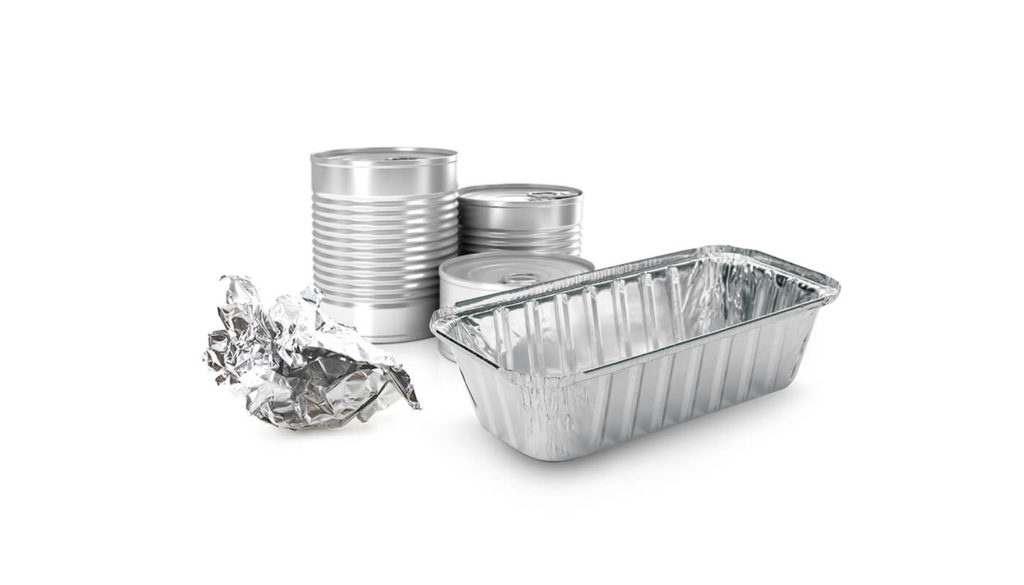
As we strive to reduce our environmental footprint, the concept of recycling has become increasingly important. One of the most fascinating aspects of recycling is the transformation of discarded materials into new products. In this article, we’ll delve into the world of recycled aluminum objects and explore their unique characteristics, versatility, and potential applications.
The Recycling Process: From Raw Materials to New Products
When aluminum scraps are melted down, they can be transformed into a new material that’s stronger, lighter, and more durable than its original form. In fact, it takes only 5% of the energy required to produce aluminum from bauxite, the primary ore used in the production process.
But why recycle aluminum? For starters, recycling aluminum saves energy and resources, reduces greenhouse gas emissions, and helps conserve natural resources. Moreover, recycled aluminum is more environmentally friendly than primary aluminum production, which requires massive amounts of energy and water.
The recycling process involves several steps:
- Collection: Aluminum scraps are collected from households, industries, and communities.
- Sorting: The collected materials are sorted based on their composition, shape, and size.
- Shredding: The sorted materials are shredded into small pieces to increase their surface area.
- Melting: The shredded aluminum is melted down in a furnace at high temperatures (around 700°C) to produce molten metal.
- Remelting: The molten metal is then remelted multiple times to purify it and remove impurities.
Italian Excellence in Recycling Aluminum
Italy takes pride in being one of the top recyclers of aluminum globally. The country has a thriving market for scrap aluminum, with artisans and manufacturers competing to create innovative products from recycled materials. From coffee makers to bicycles, Italian designers are pushing the boundaries of what’s possible with recycled aluminum.
The Italian approach to recycling aluminum is characterized by:
- Passion: Italians are known for their passion for innovation and creativity.
- Quality: Italian designers strive for exceptional quality in every product they create.
- Attention to detail: Each step of the recycling process, from sorting to melting, requires meticulous attention to detail.
The Numbers Speak for Themselves
To put the impact of recycling aluminum into perspective, consider these staggering statistics:
• 640 lattine: It takes 640 empty cans to make a single car wheel.
• 800 lattine: You can build a complete bicycle using 800 recycled aluminum cans.
• 150 lattine: To create a racing bike, you need just 150 cans.
• 3 lattine: Three cans are enough to craft a pair of eyeglasses.
• 130 lattine: With 130 cans, you can build a monopattino (a single-wheeled scooter).
• 37 lattine: It takes 37 cans to make a coffee maker.
These numbers demonstrate the incredible potential of recycled aluminum objects. By transforming discarded materials into new products, we can significantly reduce waste and conserve resources.
From Cans to Art: The Artistic Side of Recycled Aluminum
Artists are finding creative ways to repurpose discarded aluminum into stunning works of art. From jewelry to lamps, and even entire furniture sets, the possibilities are endless. By transforming raw materials into beautiful pieces, artists are not only reducing waste but also challenging our perceptions of what’s possible with recycled aluminum.
Some notable examples of artistic reuse include:
- Gustav Tenggren: A Swedish artist who created intricate designs on recycled aluminum using etching and engraving techniques.
- Jorge Pardo: An Argentine-American artist who transformed discarded materials into large-scale sculptures that explore the relationship between nature and industry.
- Stefan Sagmeister: An Austrian-American artist who used recycled aluminum to create a series of installations that comment on consumerism and sustainability.
The Crafting Process: Turning Ideas into Reality
When it comes to crafting recycled aluminum objects, the process is surprisingly straightforward. Here’s a step-by-step overview:
- Design: The artist defines their concept and creates a sketch or prototype.
- Cutting out the shape: The design is transferred onto paper or cardboard, and then cut out using scissors or a craft knife.
- Ripping and shaping: The aluminum cans are carefully torn apart and shaped into the desired form.
- Sanding and polishing: The metal is sanded to smooth out any rough edges and polished to reveal its natural shine.
Challenges and Opportunities
While recycled aluminum objects offer many benefits, there are also challenges to be addressed:
- Scalability: Scaling up recycling processes to meet global demand can be challenging.
- Cost: Recycling aluminum is often more expensive than producing new materials from raw resources.
- Education: Raising awareness about the importance of recycling and promoting sustainable practices requires education and outreach efforts.
Despite these challenges, there are opportunities for innovation and growth:
- New markets: Developing new markets for recycled aluminum products can create jobs and stimulate economic growth.
- Innovation: Investing in research and development can lead to breakthroughs in recycling technology and materials science.
- Education: Educating consumers about the benefits of recycling can inspire behavior change and promote sustainable practices.
Conclusion
Recycled aluminum objects offer a unique blend of sustainability, creativity, and functionality. By embracing this innovative approach to recycling, we can reduce waste, conserve resources, and inspire new generations of designers and artists. As we continue to explore the possibilities of recycled aluminum, one thing is clear: the future of sustainable design has never looked brighter.
FAQs
- What percentage of energy does it take to produce aluminum from bauxite?
Answer: Only 5% of the energy required for primary aluminum production. - Can recycled aluminum be used in any product?
Answer: Yes, but often in combination with other materials due to its unique properties. - How do artisans create intricate designs on recycled aluminum objects?
Answer: Using techniques such as etching, engraving, or laser cutting. - What are some common applications for recycled aluminum objects?
Answer: Coffee makers, bicycles, eyeglasses, and furniture sets are just a few examples. - How can individuals contribute to the recycling process?
Answer: By collecting and sorting recyclable materials, participating in local recycling programs, or supporting organizations that promote sustainable practices. - Can recycled aluminum be used for decorative purposes?
Answer: Yes, and artists are creating stunning works of art from recycled materials. - How does recycling aluminum affect the environment?
Answer: By reducing greenhouse gas emissions, conserving natural resources, and minimizing waste. - What is the global demand for recycled aluminum objects?
Answer: Growing rapidly as consumers become increasingly aware of sustainable practices and eco-friendly products.
By embracing the world of recycled aluminum objects, we can create a more sustainable future while inspiring innovation and creativity.


