
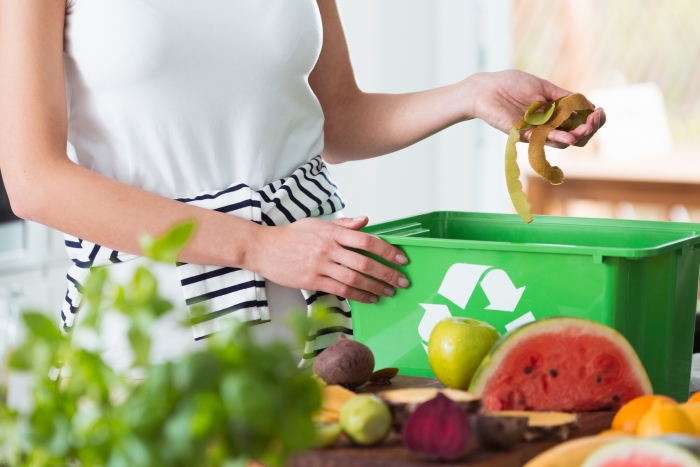
In recent years, there has been a growing awareness of the environmental impact of food waste. Did you know that approximately one-third of all food produced globally is lost or wasted? This staggering statistic not only affects our wallets but also contributes to greenhouse gas emissions, water pollution, and land degradation. As consumers, we have the power to make changes in our daily lives to reduce this staggering number.
In this article, we will explore the benefits of reducing food waste in the kitchen, provide simple recipes for creating delicious dishes from scraps, and answer frequently asked questions to help you get started on your journey to a more sustainable cooking practice.
The Benefits of Reducing Food Waste
Reducing food waste in the kitchen offers numerous benefits. Not only can we save money by utilizing every part of our ingredients, but we also contribute to reducing environmental impact. Here are some of the advantages of adopting this habit:
- Save Money: By cooking with scraps, we can significantly reduce our grocery bills. In fact, according to the United States Department of Agriculture (USDA), if all food waste were eliminated in the United States, it would save enough water to supply over 8 million people for one year.
- Reduce Environmental Impact: Food waste contributes to greenhouse gas emissions, water pollution, and land degradation. By reducing our food waste, we can decrease these negative impacts on the environment.
- Conserve Resources: Reducing food waste helps conserve resources such as water, energy, and land used for crop production.
The Joy of Broth
Who loves a good broth? Especially during the winter months. How many of you use store-bought broth mixes? While convenient, these often lack flavor and nutritional value. Let’s cook together to make a delicious, homemade broth using only scraps.
Creating a Vegetarian Broth with Scraps
Ingredients:
- Carrot tops
- Sage leaves
- Basil, parsley
- Tomato stems
- Onion skin and roots
- Bell pepper tops
- Coarse salt (half the weight of the vegetables used)
- 1 clove of garlic
With less than €1, we can make a whole jar of vegetable broth using only scraps. If you don’t have enough scraps, store them in the freezer until you do. All the greens and stems must be washed and chopped roughly. The vegetables need to be cooked with herbs and salt. Once all the liquid has evaporated from the pot, and only the vegetables remain, place them in an oven dryer or let them dry in the sun or oven.
Making a Mushroom Duxelles
Are you fascinated by the idea of adding a rich mushroom flavor to your dishes? You can create a delicious duxelles using scraps. To make this recipe, you’ll need:
- 1 tablespoon of coarse salt
- 500g of mushroom stems and scraps
Just like the broth, the mushrooms are cooked, and the liquid is evaporated. The resulting duxelles will be ready to add to pasta, bread, or use as a topping for any other dish.
Conclusion
By following these simple recipes, you can create delicious dishes using scraps and reduce waste in your kitchen. From the joy of broth to the rich flavor of mushroom duxelles, there are endless possibilities when it comes to cooking with scraps. So next time you’re about to toss something away, think twice and get creative!
Frequently Asked Questions
-
What can I use instead of water for my broth?
You can use any liquid as a base for your broth, such as vegetable or chicken stock. -
How do I store my scrap vegetables and herbs?
Store scraps in the freezer until you have enough to make broth or duxelles. -
Can I use other ingredients besides garlic for flavoring?
Yes, you can add various spices, lemongrass, ginger, etc., to create unique flavors. -
How do I dry my mushroom stems and scraps effectively?
Dry mushrooms using an oven dryer or the sun for 2-3 days. -
What is duxelles made from?
Duxelles is a mixture of sautéed mushrooms with finely chopped herbs, typically onions and celery. -
Can I add meat to my broth?
Yes, you can use beef, pork, or chicken bones for added flavor in your broth. -
Is reducing food waste environmentally friendly?
Yes, it reduces the amount of waste sent to landfills, conserves water, and decreases greenhouse gas emissions associated with resource extraction and production. -
How much money will I save by cooking with scraps?
You can expect to save at least 20% on your grocery bills by reducing food waste in your kitchen.


