
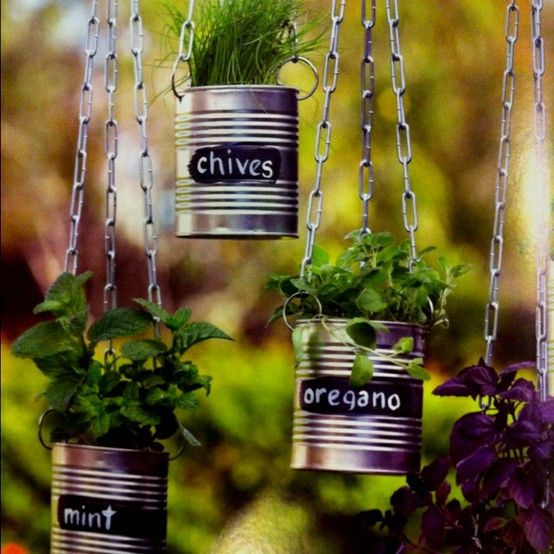
Are you tired of seeing perfectly good household items end up in the trash? Do you wonder if there’s a way to breathe new life into them, reducing waste and getting creative in the process? Look no further than the world of upcycling. Upcycling is all about taking something old, unwanted, or discarded and turning it into something new, useful, and often beautiful.
What is Upcycling?
Upcycling is more than just giving old items a fresh coat of paint. It’s an art form that requires creativity, resourcefulness, and a willingness to think outside the box. When you upcycle household items, you’re not just saving resources; you’re also reducing waste, getting creative, and maybe even making something truly unique.
Textiles: The Unsung Heroes of Upcycling
Let’s start with textiles. Towels are often one of the first things that come to mind when thinking about upcycling. But did you know that old towels can be transformed into excellent cleaning rags? Simply cut them into strips, and you’ve got a great tool for dusting and polishing.
But that’s not all. Old socks can also be repurposed in amazing ways. Try infusing them with vinegar and using them as makeshift scrubbers or decalcification systems for your faucets. Or, tie one sock around the handle of a broom to create a handy spider-web remover.
Bottles and Containers: The Ultimate Upcycling Opportunity
Glass bottles and containers are treasure troves waiting to be tapped (pun intended). Reusable glass vases can be transformed into clever storage solutions for screws, nails, or preserves. And plastic containers with sprayer-tops? They’re perfect for making homemade cleaning mixes or storing seeds for your garden.
Toothbrushes: The Unlikely Upcyclers
Who would have thought that toothbrushes could still have a use after their time has passed? But yes, they can! Use them to clean hard-to-reach areas or clog-prone drains. It’s not the most glamorous task, but it’s an example of how upcycling can breathe new life into items we might otherwise discard.
Upcycling at Home: Tips and Tricks
So, you’re ready to give upcycling a try. Here are some tips to get you started:
- Start with items that are still in good condition but no longer serve their original purpose.
- Get creative with materials you already have on hand.
- Don’t be afraid to experiment and try new things – it’s all part of the upcycling process!
Common Challenges and Solutions
One common challenge when upcycling is dealing with difficult-to-clean surfaces or stubborn stains. Here are some solutions:
- Use a mixture of baking soda and vinegar to create a paste that can tackle tough stains.
- Apply a coat of varnish or polyurethane to protect your upcycled item from damage.
DIY Projects for Beginners
If you’re new to upcycling, here are some easy DIY projects to get you started:
- Mason Jar Herb Planters: Clean and dry mason jars can be transformed into mini herb planters. Simply add soil, your favorite herbs, and a decorative rock or stone.
- Old CD Wind Chimes: Use old CDs, wire, and some basic crafting tools to create unique wind chimes that’ll add a touch of elegance to any room.
- Reclaimed Wood Coasters: Upcycle old pallet wood into coasters by cutting it into square shapes, sanding them down, and applying a coat of varnish or polyurethane.
Upcycling for Environmental Benefits
Upcycling is not only creative; it’s also an eco-friendly way to reduce waste. By repurposing materials, you’re helping to conserve resources, reduce landfill waste, and decrease the demand for new, resource-intensive products.
Common Upcycling Materials: Where to Find Them
Here are some common upcycling materials where to find them:
- Thrift stores
- Garage sales
- Estate sales
- Online marketplaces (e.g., Craigslist, Facebook Marketplace)
- Your own home (look for items you no longer need or use)
Sustainable Upcycling: The Future of Waste Management
As concern about climate change and waste management continues to grow, upcycling is becoming an increasingly popular solution. By embracing the art of upcycling, we can reduce our environmental footprint, conserve resources, and create a more sustainable future.
Upcycling in Education
Upcycling is not just for adults; it’s also an excellent way to engage students in creative learning. Here are some ways you can incorporate upcycling into your classroom:
- Use recycled materials to demonstrate scientific concepts (e.g., density, buoyancy)
- Encourage students to design and create their own upcycled projects
- Teach sustainability and environmental awareness through the process of upcycling
Upcycling in Business
Many businesses are now recognizing the value of upcycling as a sustainable practice. Here are some ways you can incorporate upcycling into your business:
- Offer upcycling services for customers who want to give new life to old items
- Use upcycled materials in product design and manufacturing
- Educate your employees on the benefits of upcycling and sustainability
Conclusion: The Power of Upcycling
Upcycling is more than just a creative hobby – it’s a way of life. By embracing the art of upcycling, we can reduce waste, conserve resources, and create something truly unique. So next time you’re about to toss that old item in the trash, ask yourself: “Can I turn this into something new?”


