
1. Introduction to Sustainable Waste Management
As we strive for a more sustainable future, it’s essential to understand the difference between recyclable and non-recyclable materials. The distinction may seem straightforward, but it can be challenging, especially when dealing with complex packaging or unfamiliar objects. In this article, we’ll delve into the world of recycling, exploring what makes materials recyclable, why it matters, and how you can make a positive impact on the environment.
2. The Importance of Distinguishing Between Materials
Not all materials are created equal. While some may appear similar, they have different compositions and properties that affect their recyclability. If we fail to distinguish between materials, we risk compromising the entire recycling process and contributing to environmental degradation. In other words, every small decision counts when it comes to our planet’s well-being.
3. The Benefits of Recycling
Recycling is a vital component of sustainable waste management. When done correctly, it allows us to recover valuable resources, conserve natural materials, and reduce greenhouse gas emissions. By recycling, we can significantly lower our ecological footprint and create a more circular economy.
4. Understanding the Recycling Process
Recycling involves treating waste as a resource, rather than discarding it. This process includes collecting, sorting, processing, and reusing or repurposing materials. The key is to ensure that materials are handled correctly throughout the recycling journey to maximize their potential value.
5. Symbols of Recyclable Materials
Symbols play a significant role in guiding us towards sustainable practices. International Universal Recycling Codes (ICU) provide standardized labels for recyclable materials, making it easier to identify what can be recycled and how. By recognizing these symbols, we can make informed decisions about our waste management.
6. The Dangers of Plastic Materials
Plastic is often misunderstood as a single entity, but in reality, it encompasses various types with distinct characteristics. While some plastics are biodegradable or reusable, others pose significant environmental risks due to their non-biodegradable nature and tendency to contaminate ecosystems. It’s crucial to approach plastic waste with caution and consider the long-term implications of our actions.
7. A Guide to Recycling at Home
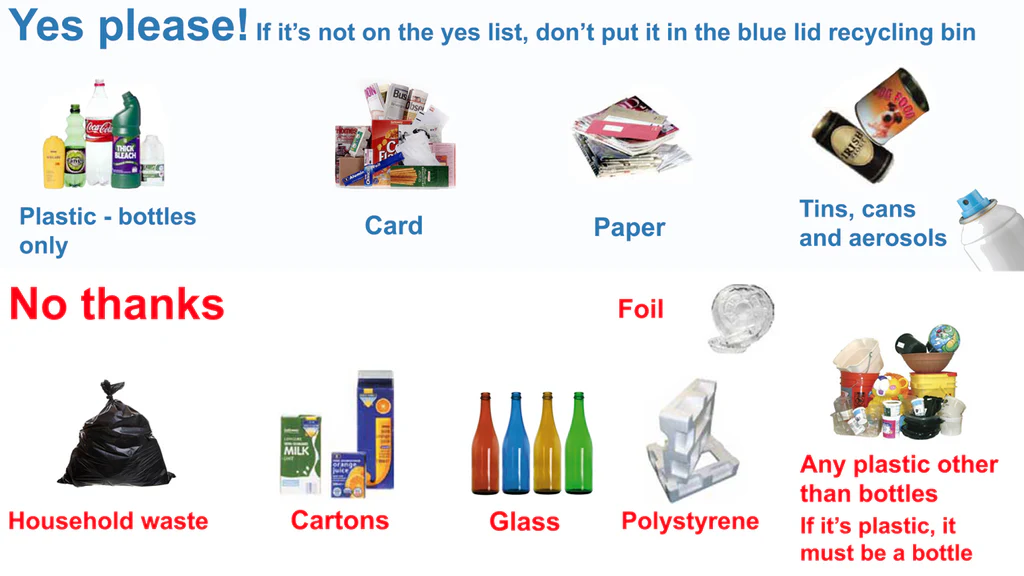
Now that we’ve explored the world of recyclable materials, it’s time to take action. By understanding what can be recycled and how, you can make a significant impact on your daily life. From sorting household waste to repurposing old objects, every small step counts in our journey towards sustainability.
8. The Power of Creativity in Waste Management
In conclusion, recycling is not just about reducing waste; it’s also an opportunity for creativity and innovation. By embracing this mindset, we can turn discarded materials into valuable resources, fostering a culture of sustainability and environmental stewardship.
9. The Science Behind Recycling
Recycling involves complex processes that require scientific understanding. From the chemistry of material decomposition to the logistics of collection and processing, each stage demands precise knowledge to ensure efficient waste management.
10. Economic Benefits of Recycling
Recycling is not only environmentally friendly; it also offers economic benefits. By recovering valuable resources from waste streams, businesses can reduce costs, increase efficiency, and create new revenue streams.
11. Challenging the Status Quo: Exploring Alternative Materials
As we strive for a more sustainable future, it’s essential to challenge our assumptions about traditional materials. By exploring alternative materials and technologies, we can unlock new possibilities for waste reduction and resource recovery.
12. Closing the Loop: Circular Economy Strategies
Closing the loop on recyclable materials requires a comprehensive approach that spans the entire supply chain. By adopting circular economy strategies, businesses and individuals can work together to create a more regenerative system that minimizes waste and maximizes value.
13. The Human Factor in Recycling
Human behavior plays a significant role in determining our environmental impact. By recognizing the power of individual choices and collective action, we can foster a culture of sustainability that transcends geographical boundaries.
14. Lessons from History: Understanding the Evolution of Waste Management
Waste management has come a long way since its inception. From landfills to incinerators, our understanding of waste disposal has evolved significantly over time. By examining historical milestones and trends, we can gain valuable insights into the complexities of recycling.
15. Conclusion: Embracing Sustainability in Action
In conclusion, understanding recyclable and non-recyclable materials is just the first step towards creating a more sustainable future. By embracing this knowledge and applying it to our daily lives, we can drive positive change and contribute to a cleaner, greener world for generations to come.
Frequently Asked Questions (FAQs)
- What makes a material recyclable?
A material is considered recyclable if it can be recovered and reused or repurposed, often through physical transformation or chemical recycling.
- How do I identify recyclable materials?
Look for symbols such as the International Universal Recycling Code (ICU) labels, which provide standardized guidance on what can be recycled.
- Can all plastics be recycled?
Not all plastics are created equal; some types are biodegradable or reusable, while others pose significant environmental risks due to their non-biodegradable nature and tendency to contaminate ecosystems.
- How can I make a positive impact on the environment through recycling?
By understanding what can be recycled and how, you can take small steps towards reducing waste and promoting sustainability in your daily life.
- What role do symbols play in guiding sustainable practices?
Symbols like ICU labels help guide us towards sustainable practices by providing standardized guidance on recyclable materials and their processing methods.
- Can individual actions drive positive change?
Yes, every small decision counts when it comes to our environmental impact. By recognizing the power of individual choices and collective action, we can foster a culture of sustainability that transcends geographical boundaries.
- How has waste management evolved over time?
Waste management has come a long way since its inception; by examining historical milestones and trends, we can gain valuable insights into the complexities of recycling.
- What is the economic benefit of recycling?
Recycling offers significant economic benefits, including reduced costs, increased efficiency, and new revenue streams for businesses.
Additional Resources:
- National Recycling Association (NRA) – a comprehensive resource for recycling information and education.
- Environmental Protection Agency (EPA) – provides guidelines and resources for sustainable waste management practices.
- The Recycling Community Forum – an online platform for discussing recycling-related topics and sharing best practices.
Tips for Implementing Sustainable Waste Management Practices:
- Conduct a household waste audit: to identify areas where you can improve your recycling habits.
- Use reusable bags, containers, and water bottles: to reduce single-use plastics.
- Recycle more frequently: by incorporating recycling into your daily routine.
- Compost organic materials: to reduce waste and create nutrient-rich soil.
- Support businesses that prioritize sustainability: by choosing products with minimal packaging or made from recyclable materials.
By embracing these practices, we can contribute to a cleaner, greener world for generations to come.


