
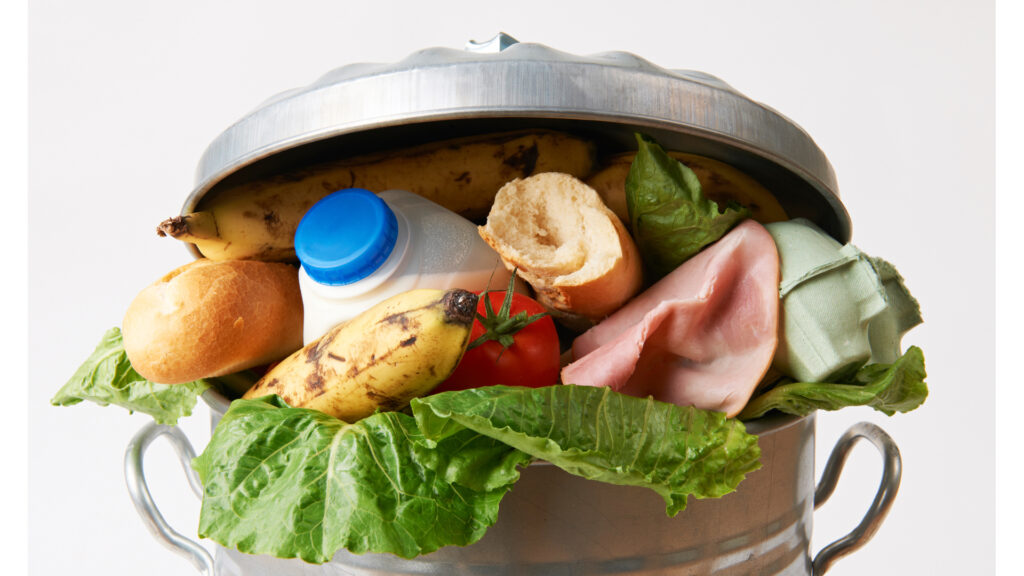
In a world where food waste is a pressing issue, the Pasto Buono initiative stands out as a beacon of hope. Founded by Gregorio Fogliani, the president of QUI! Group, this project aims to reduce food waste by recovering surplus food from restaurants, bars, and other food establishments. In this article, we will delve into the story behind Pasto Buono, its impact on society, and what makes it a successful model for reducing food waste.
Introduction
Food waste is a significant problem that affects not only the environment but also people’s lives. According to the Food and Agriculture Organization (FAO), one-third of all food produced globally is lost or wasted. This can be attributed to various factors such as overproduction, packaging waste, and inefficient supply chains. However, there are initiatives like Pasto Buono that are working towards reducing food waste by recovering surplus food from restaurants and bars.
The History of Pasto Buono
Pasto Buono’s journey began in 2007 when Fogliani founded the QUI Foundation, an Italian non-profit organization dedicated to collecting surplus food. The initiative gained international recognition in 2015 when the FAO included it as one of the best practices worldwide under the “SAVE FOOD” project.
How Pasto Buono Works
The process of recovering surplus food is straightforward: local restaurants, bars, and other food establishments identify excess food at the end of each day. This food is then distributed to families in need and charitable institutions, free of charge. The recipients are often those who struggle with poverty or insecurity.
To make this process possible, Pasto Buono has established a network of volunteers who collect and transport surplus food from restaurants and bars to the QUI Foundation’s storage facilities. From there, the food is distributed to various charities and organizations that provide meals to families in need.
Collaboration and Partnerships
Fogliani’s success lies not only in his dedication but also in his ability to collaborate with various stakeholders. Expo di Milano, for instance, played a crucial role in promoting the initiative through its Food Policy and the creation of the Carta di Milano. The partnership between local food establishments and charitable organizations has enabled Pasto Buono to expand its reach.
Great Partnerships
Pasto Buono has also established partnerships with major companies in the food industry. The Cremonini group, for example, has joined forces with the initiative by donating surplus food from their restaurants. Furthermore, the Tirrenia shipping company donates excess food from their vessels to the port of Genoa, Naples, and Cagliari.
The Impact of Pasto Buono
Despite its small beginnings, Pasto Buono has had a significant impact on reducing food waste in Italy. Over 800,000 meals have been recovered and donated since its inception, with 300,000 alone being distributed in 2015.
Moreover, the initiative has helped reduce food poverty among vulnerable populations. In some areas, the recovered food has become a vital lifeline for families struggling to make ends meet. The impact of Pasto Buono extends beyond Italy as well, serving as an inspiration for other countries to adopt similar initiatives.
A Daily Routine
Every day, local restaurants and bars identify excess food, which is then collected by the QUI Foundation. The organization ensures that this surplus food reaches those who need it most, providing a vital lifeline for families struggling to make ends meet.
This daily routine is made possible by the tireless efforts of volunteers, staff members, and partners across Italy. From collection to distribution, every stage of the process requires collaboration and coordination among various stakeholders.
The Role of Volunteers
Volunteers play a crucial role in Pasto Buono’s success. Organizations like Caritas, Croce Rossa Italiana, CSV, and the Community of Saint Egidio contribute their expertise and resources to ensure that the recovered food reaches those who need it most.
In addition to logistics support, volunteers also engage with local communities, spreading awareness about food waste and promoting a culture of sharing. This community engagement aspect is essential in fostering a sense of responsibility among consumers and businesses towards reducing food waste.
Conclusion
Pasto Buono is an exemplary model for reducing food waste. By recovering surplus food from restaurants and bars, distributing it to those in need, and collaborating with various stakeholders, this initiative has shown that even small actions can have a significant impact on society. We hope that Pasto Buono’s story will inspire others to follow suit.
Frequently Asked Questions
- What is the goal of Pasto Buono?
Pasto Buono aims to reduce food waste by recovering surplus food from restaurants and bars, distributing it to those in need, and promoting a culture of sharing. - How does Pasto Buono work?
Local restaurants and bars identify excess food at the end of each day, which is then collected by the QUI Foundation and distributed to families in need and charitable institutions. - What kind of organizations are involved in Pasto Buono?
Pasto Buono collaborates with various stakeholders, including local food establishments, charitable organizations, and companies like Cremonini and Tirrenia. - How much food has been recovered by Pasto Buono?
Over 800,000 meals have been recovered and donated since the initiative’s inception. - What is the role of volunteers in Pasto Buono?
Volunteers play a crucial role in ensuring that the recovered food reaches those who need it most, providing vital resources to charitable organizations like Caritas and Croce Rossa Italiana. - How can individuals get involved with Pasto Buono?
Individuals can support Pasto Buono by spreading awareness about food waste and supporting local initiatives that promote sharing and reducing waste. - What are the benefits of participating in Pasto Buono?
Participating in Pasto Buono helps reduce food waste, supports families in need, and promotes a culture of sharing and community engagement. - How can businesses get involved with Pasto Buono?
Businesses can support Pasto Buono by donating surplus food, reducing packaging waste, and promoting sustainable practices to minimize food waste.
Conclusion
As we reflect on the success of Pasto Buono, it becomes clear that this initiative has not only made a tangible difference in the lives of many but also serves as an inspiration for others. By sharing its story, we hope to encourage more people to join forces and tackle the pressing issue of food waste together.
In the words of Gregorio Fogliani, “We can make a difference by working together and adopting simple practices like reducing food waste. This is not just about saving resources; it’s also about feeding those who need it most.”


