
Unlocking the Power of Millet: A Gluten-Free Superfood
As we navigate the complexities of modern cuisine, it’s easy to overlook traditional grains like millet. However, this humble cereal has been a staple in many cultures for centuries, offering a wealth of nutritional benefits and culinary possibilities.
In recent years, the popularity of millet has grown significantly, particularly among those seeking gluten-free options. But what makes millet so special? In this article, we’ll delve into the world of millet recipes, exploring its versatility, nutritional benefits, and ways to incorporate it into your daily meals.
What is Millet?
Millet is a small-grained cereal that’s native to Africa and Asia. It’s often confused with other grains like quinoa or rice, but millet has a unique flavor and texture all its own. With its mild nutty taste and soft consistency, millet is an excellent choice for those looking for a gluten-free alternative.
Millet Recipes without Gluten
One of the most significant advantages of millet is its gluten-free status. This makes it an ideal ingredient for those with gluten intolerance or celiac disease. Whether you’re looking to replace traditional bread or pasta with a healthier option, millet recipes are an excellent choice.
Here are some delicious millet recipes that showcase the cereal’s versatility:
- Meatballs
- Desserts
- Puddings
- Vegetable and pea-based dishes
- Pumpkin
Millet is also incredibly versatile when it comes to preparation methods. Whether you’re baking, boiling, or sautéing, millet can be cooked in a variety of ways to suit your taste preferences.
Millet and Vegetables: A Match Made in Heaven
One of the most significant benefits of millet is its ability to pair perfectly with vegetables. This makes it an excellent addition to any vegetable-based dish. According to renowned oncologist Umberto Veronesi, a healthy diet consists of at least 2 servings of vegetables per day.
Here’s a simple recipe for Millet and Pumpkin Soup that combines the flavors of seasonal vegetables:
- Ingredients:
- 300g millet
- 250g pumpkin
- 1 small potato
- Two sprigs of rosemary
- Bread, raffirmed
- 1 scalogno
- Vegetable broth (in which to cook the millet)
- Parmesan grated by quantity
- Salt and pepper by quantity
Millet is also an excellent way to add protein and fiber to your meals. This makes it a great choice for vegetarians and vegans looking to boost their nutritional intake.
Millet without Decortication: A Recipe for Success
One of the most significant challenges when cooking with millet is decortication, or removing the outer layer from the grain. However, this process can be time-consuming and labor-intensive.
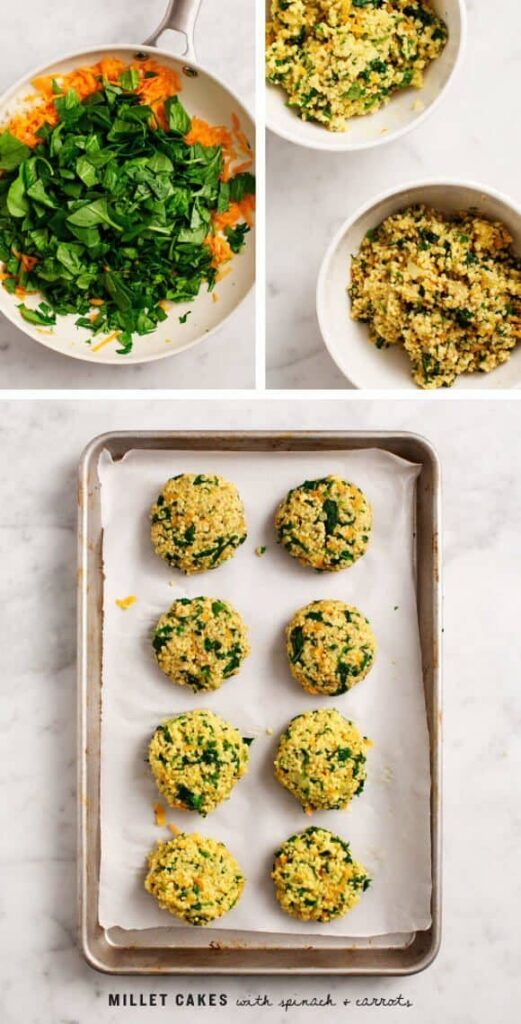
To simplify this process, we’ve created a recipe for Millet and Peas Pollets that uses decorticating millet. This recipe is perfect for parents looking to introduce their children to new foods or for those with gluten intolerance seeking a healthier option.
- Ingredients:
- 150g of decorticating millet
- 150g peas (also frozen will work well)
- A small onion
- A carrot
- 100g of grated Parmesan cheese
- Olive oil
- Salt and pepper to taste
- Bread crumbs by quantity
Millet is also an excellent choice for those looking for a gluten-free alternative to traditional bread. Whether you’re baking, boiling, or sautéing, millet can be cooked in a variety of ways to suit your taste preferences.
Millet Flour Recipes: The Power of Ancient Grains
One of the most significant benefits of millet is its versatility when it comes to flour-based recipes. This makes it an excellent choice for those looking to incorporate ancient grains into their baking routine.
Here’s a simple recipe for Plum Cake made with Millet Flour and Hazelnuts (gluten-free):
- Ingredients:
- 270g millet flour
- 100g hazelnuts
- 4 whole eggs
- 175g sugar cane syrup
- 100g olive oil
- Lime peel
- Lemon juice
- A teaspoon of vanilla-flavored baking powder
- a pinch of salt
Millet is also an excellent choice for those looking to boost their nutritional intake. With its rich content of micronutrients like magnesium, iron, phosphorus, and potassium, millet is an excellent addition to any meal.
Benefits of Millet: A Healthy Alternative for Celiacs
One of the most significant benefits of millet is its gluten-free status. This makes it an ideal ingredient for those with gluten intolerance or celiac disease.
However, millet offers more than just a gluten-free alternative – it’s also rich in micronutrients that can boost our overall health and wellbeing.
- Magnesium: essential for bone health
- Iron: vital for healthy red blood cells
- Phosphorus: necessary for healthy bones and teeth
- Potassium: important for heart health
Overall, millet is an incredible grain that offers a wealth of nutritional benefits and culinary possibilities. Whether you’re looking to replace traditional bread or pasta with a healthier option or seeking a gluten-free alternative to traditional meals, millet recipes are an excellent choice.
FAQs
- What is the difference between millet and other grains like quinoa or rice?
- How do I cook millet?
- Can I use gluten-free breadcrumbs to make pollets suitable for celiacs?
- What are some common mistakes to avoid when cooking with millet?
- How can I incorporate millet into my daily meals?
- Are millet and vegetables a good combination?
- What are the nutritional benefits of millet?
- Can I use millet flour to make bread suitable for celiacs?
In conclusion, millet is an incredibly versatile grain that offers a wealth of nutritional benefits and culinary possibilities. From its gluten-free status to its rich content of micronutrients, millet is an excellent addition to any meal.
Whether you’re looking for a healthier alternative to traditional bread or seeking a gluten-free option for those with celiac disease, millet recipes are an excellent choice.
By incorporating millet into your daily meals, you can boost your nutritional intake and enjoy the numerous health benefits that this grain has to offer.


