
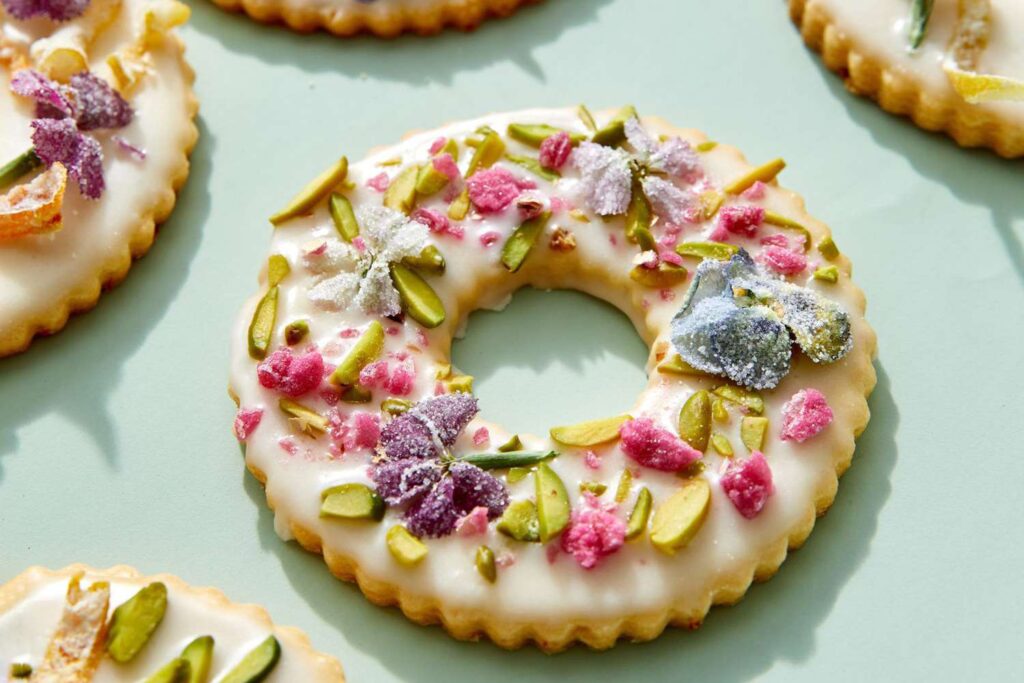
As we explore the realm of culinary delights, few ingredients have captured our attention quite like edible flowers. From rustic to sweet dishes, raw to cooked, these delicate petals add a touch of elegance and whimsy to any meal. In this article, we’ll delve into the fascinating world of edible flowers, exploring their history, varieties, and recipes that showcase their beauty and flavor.
A Brief History of Edible Flowers
Edible flowers have been a part of human cuisine for centuries, with records of their use dating back to ancient civilizations such as the Egyptians, Greeks, and Romans. These early cooks not only appreciated the aesthetic appeal of edible flowers but also recognized their potential health benefits. In many cultures, edible flowers were believed to possess medicinal properties, making them a sought-after ingredient in traditional remedies.
The World of Edible Flowers
There are countless species of edible flowers, each with its unique characteristics and uses. Some of the most popular varieties include:
- Passiflora: Known for their ornamental value and therapeutic properties, certain Passiflora edulis (specifically flavicarpa) or Passiflora quadrangularis varieties have delicate, edible flowers.
- Tiglio: The leaves and flowers of the tiglio plant are consumed raw in salads, cooked preparations, and even used to make a unique flour for baked goods.
- Primule: These small, delicate flowers add a pop of color and flavor to various dishes, from tagliatelle to salads.
- Rosmarino: The tiny rosemary flowers can be used to add a fragrant, herbaceous note to soups, stews, and roasted vegetables.
Edible Flower Recipes
Now that we’ve explored the world of edible flowers, let’s dive into some recipes that showcase their beauty and flavor. Here are three mouthwatering dishes to get you started:
Tagliatelle with Primules
This recipe features primrose flowers as a key ingredient, adding a delicate, floral note to traditional tagliatelle.
- Ingredients: Two handfuls of primrose flowers, one handful of primrose leaves, 3 eggs, 300g of white flour, salt to taste, olive oil, butter, sage leaves, and Parmigiano Reggiano cheese.
- Procedure:
- Finely chop the primrose flowers and leaves.
- Prepare fresh pasta by mixing flour, eggs, salt, and primrose trito.
- Roll out the pasta sheet and cut it into listarelle.
- Cook the primrose tagliatelles in boiling water until al dente.
- Finish cooking with burro fuso and Parmigiano Reggiano.
Focaccia with Onions and Rosemary Flowers
This recipe combines caramelized onions with fragrant rosemary flowers, creating a flavorful and aromatic focaccia perfect for snacking or serving alongside soups.
- Ingredients: 500g of flour, 20g of active dry yeast, olive oil, salt, warm water, white onions, abundance of rosemary flowers, and olive oil.
- Procedure:
- Mix flour, yeast, oil, salt, and warm water to form a smooth dough.
- Let the focaccia rise for 2 hours while finely chopping the onions.
- Roast the onions with olive oil until caramelized.
- Divide the dough into two equal parts and roll out each part in a baking sheet oiled with butter.
- Sprinkle onion slices and rosemary flowers on top, saving some for garnish.
- Cook at 200°C for about 40 minutes.
Insalata con Foglie e Fiori di Tiglio
This refreshing salad showcases the delicate flavor of tiglio leaves and flowers, perfect for a light and revitalizing snack.
- Ingredients: Tiglio leaves and flowers, mixed greens, olive oil, salt, lemon juice, and crumbled cheese.
- Procedure:
- Chop the adult leaves after removing the central nerve.
- Mix the tiglio leaves with other salads or use them as a topping for salads.
- Combine chopped tiglio flowers with mixed greens, olive oil, salt, lemon juice, and crumbled cheese.
Whether you’re a seasoned chef or an adventurous home cook, edible flowers offer a world of possibilities. With these recipes and tips, you’ll be well on your way to unlocking the secrets of this ancient ingredient and adding a touch of elegance to your culinary creations.
Frequently Asked Questions
- What are the most commonly used edible flowers?
- Some popular varieties include Passiflora, Tiglio, Primule, Rosmarino, Bella di notte, and Camomilla.
- Can I use any part of an edible flower?
- Yes, but be sure to research which parts are safe for consumption. Some flowers may cause allergic reactions or interact with medications.
- How do I store edible flowers?
- Store edible flowers in a cool, dry place, away from direct sunlight. You can also freeze them for later use.
Tips and Tricks
- Choose your flowers wisely: Select flowers that are free of pesticides, artificial fertilizers, and other contaminants.
- Harvest at the right time: Use fresh flowers for optimal flavor and aroma. Avoid over-harvesting to ensure sustainability.
- Handle with care: Be gentle when handling edible flowers to avoid bruising or damaging their delicate petals.
Conclusion
Edible flowers have long been a staple of culinary traditions around the world. From their ornamental value to their potential health benefits, these delicate petals offer a wealth of possibilities for cooks and chefs alike. By exploring the history, varieties, and recipes outlined in this article, you’ll be well on your way to unlocking the secrets of this ancient ingredient and adding a touch of elegance to your culinary creations.
Whether you’re looking to impress your friends with a unique dish or simply want to try something new, edible flowers are sure to add a touch of magic to any meal. With their delicate flavor, vibrant color, and whimsical charm, these flowers are the perfect addition to any kitchen. So why not give them a try? The world of edible flowers awaits!


