
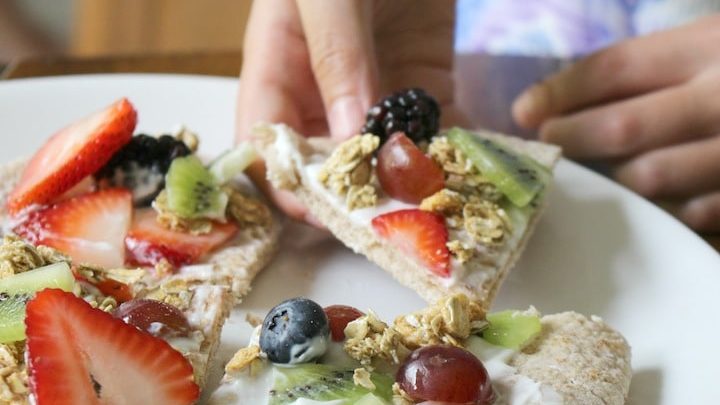
Fruit cotta, also known as frutta cotta in Italian, is a delicious and versatile dessert made with cooked fruit. While it’s often associated with older adults or those who don’t enjoy fresh fruit, it can be enjoyed by people of all ages and backgrounds. In this article, we’ll explore the benefits and drawbacks of fruit cotta, provide some easy-to-make recipes, and show you how to create your own delicious fruit cotta at home.
What is Fruit Cotta?
Fruit cotta is a type of dessert made by cooking fresh or dried fruit in sugar syrup. It’s often served as a side dish, used as an ingredient in other desserts, or enjoyed on its own as a sweet treat. The process of making fruit cotta involves heating the fruit with sugar and water to create a caramelized mixture that’s both sweet and tangy.
Benefits of Fruit Cotta
There are many benefits to enjoying fruit cotta, including:
- Convenience: Fruit cotta is an easy way to enjoy fresh fruit when it’s out of season or not available.
- Versatility: Fruit cotta can be used in a variety of dishes, from savory sauces to sweet desserts.
- Nutritional Value: Fresh fruit provides essential vitamins, minerals, and antioxidants that are lost during the cooking process.
Drawbacks of Fruit Cotta
While fruit cotta has many benefits, there are also some drawbacks to consider:
- Loss of Nutrients: Cooking fruit can lead to a loss of nutrients, including water-soluble vitamins like vitamin C and B vitamins.
- High Sugar Content: Fruit cotta is typically made with sugar syrup, which can make it high in calories and sugar.
- Potential Health Issues: Consuming large amounts of fruit cotta regularly can contribute to an increased risk of health problems, such as diabetes and heart disease.
Easy Recipes for Fruit Cotta
Here are three easy recipes for making delicious fruit cotta at home:
Recipe 1: Simple Fruit Cotta
-
Ingredients:
- 500g fresh fruit (such as strawberries, blueberries, or raspberries)
- 120g sugar
- 250ml water
- 1 lemon, juiced
- Chiodi di garofano
-
Instructions:
-
Wash and hull the fruit.
- In a large pot, combine the sugar, water, and lemon juice.
- Heat the mixture over medium heat until the sugar dissolves.
- Add the chiodi di garofano and cook for an additional 5 minutes.
- Stir in the fresh fruit and continue to simmer for another 10-15 minutes.
Recipe 2: Spiced Fruit Cotta
-
Ingredients:
- 8 prunes, pitted
- 3 pieces of star anise
- 1 tsp ground cinnamon
- 1/4 cup honey
- 1/4 cup water
- 2 oranges, sliced
-
Instructions:
-
Preheat oven to 200°C (400°F).
- In a baking dish, combine the prunes, star anise, and cinnamon.
- Add the honey and water mixture to the prunes and stir until combined.
- Arrange the orange slices on top of the fruit mixture.
- Bake for 20-25 minutes or until golden brown.
Recipe 3: Vanilla Fruit Cotta
-
Ingredients:
- 2 cups mixed berries
- 1/2 cup sugar
- 1/4 cup milk
- 2 tbsp vanilla extract
- 1 tsp lemon zest
-
Instructions:
-
Preheat oven to 375°F (190°C).
- In a mixing bowl, combine the berries, sugar, and milk.
- Stir in the vanilla extract and lemon zest until combined.
- Pour the mixture into individual serving cups or ramekins.
- Bake for 20-25 minutes or until set.
Tips and Tricks
- Use a variety of fruits: Experiment with different types of fruit to create unique flavors and textures.
- Don’t overcook: Cooking time can vary depending on the type of fruit, so monitor the mixture closely to avoid overcooking.
- Add spices and herbs: Spices like cinnamon, nutmeg, or ginger can add depth and warmth to your fruit cotta.
Conclusion
Fruit cotta is a delicious and versatile dessert that’s perfect for any occasion. Whether you’re looking to try something new or stick with an old favorite, there are countless recipes to choose from. With its ease of preparation and rich flavor, fruit cotta is sure to become a staple in your kitchen.
FAQs
- What is the difference between fresh and dried fruit for cooking?
Fresh fruit is typically used for cooking as it’s more flavorful and easier to digest than dried fruit. However, dried fruit can be just as delicious when rehydrated in water or other liquids. - Can I use sugar substitutes instead of regular sugar?
While sugar substitutes may seem like a healthier alternative, they can affect the flavor and texture of the final product. Regular sugar is preferred for its rich sweetness and ability to caramelize. - How do I store fruit cotta after cooking?
Fruit cotta should be stored in an airtight container in the refrigerator for up to three days or frozen for up to two months. - Can I add other ingredients like nuts, seeds, or spices to enhance flavor and texture?
Absolutely! Adding other ingredients can enhance flavor, texture, and nutritional value while making the fruit cotta even more delicious and satisfying. - How do I serve fruit cotta?
Fruit cotta can be served warm or chilled, depending on personal preference. It pairs well with whipped cream, ice cream, or yogurt for a sweet treat.
Nutritional Information
- Calories: approximately 200-300 per serving
- Fat Content: varies depending on the type of fruit and sugar used
- Carbohydrates: primarily composed of natural sugars from the fruit
Note: The information provided in this article is for general knowledge and should not be used as medical advice. Consult a healthcare professional before making any significant changes to your diet or lifestyle.
Glossary
- Chiodi di garofano: an Italian spice made from ground almonds, often used in baking and cooking.
- Fruutta cotta: the Italian term for fruit cotta.
- Garofano: a type of almond tree native to Italy.


