
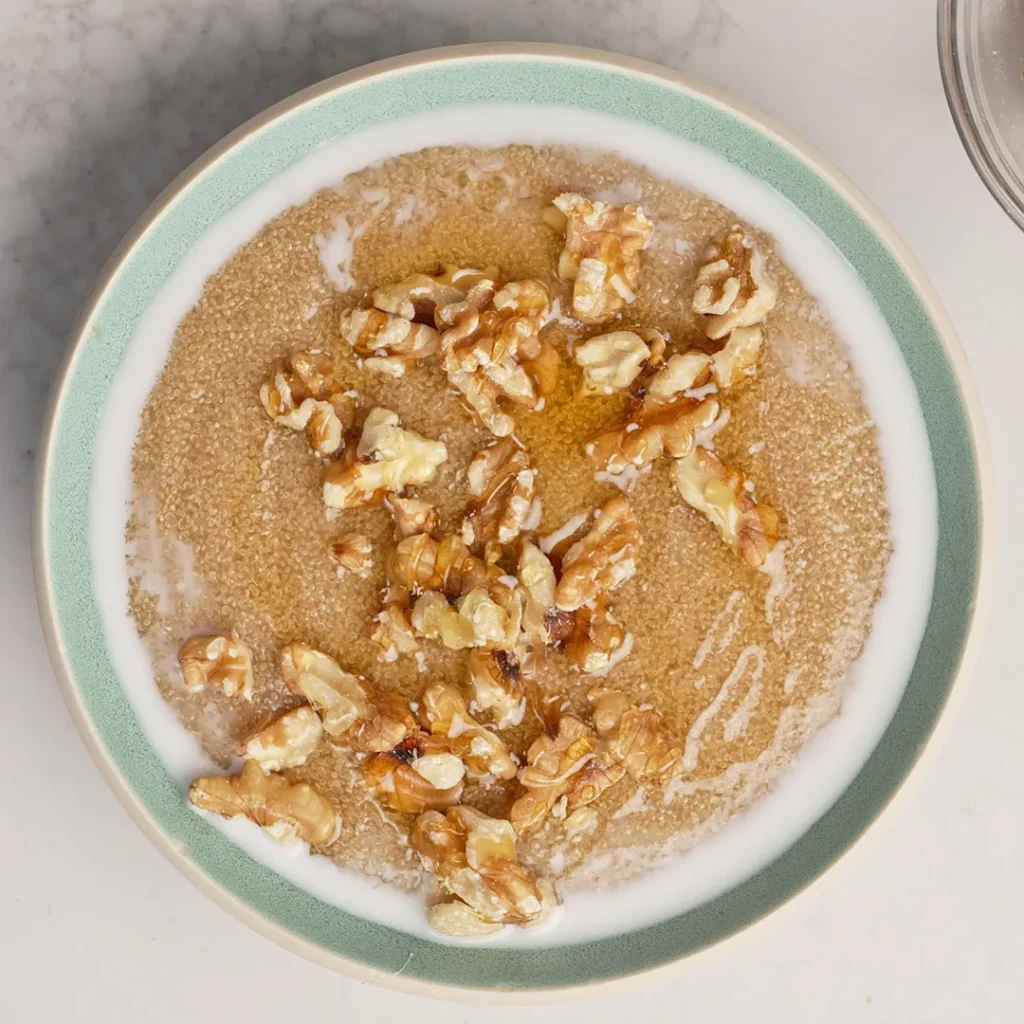
Amaranth is a versatile ingredient that can be used in a variety of dishes, from savory meals to sweet treats. This ancient grain-like food is packed with nutrients and is a great option for those looking for gluten-free alternatives.
Amaranth is often misunderstood as a cereal, but it’s actually more similar to quinoa, sago, or manioc. Its absence of gluten makes it an excellent choice for those with gluten intolerance or sensitivity. Amaranth is also rich in protein, calcium, phosphorus, magnesium, and iron, making it an excellent addition to any meal.
As a relatively new ingredient in Italian cuisine, we’re excited to share some delicious recipes that showcase the versatility of amaranth.
Growing Amaranth: A Quick Guide
Before diving into recipes, let’s take a look at how amaranth grows. This fast-growing and resilient plant is easy to cultivate and produces high yields. In fact, a single plant can produce up to 200,000 seeds!
If you’re interested in growing your own amaranth, check out our guide on “How to Grow Amaranth.”
Understanding the Types of Amaranth
There are several types of amaranth, each with its unique characteristics and uses. Here are some of the most common types:
- Amaranthus spp.: This is the most common type of amaranth and is often used as a food source.
- Pignut Amaranth (Amaranthus hypochondriacus): This variety has a distinctive nutty flavor and is often used in cooking.
- Silverleaf Amaranth (Amaranthus trigynos): This type of amaranth has a delicate, slightly sweet flavor and is often used as a garnish.
Recipe 1: Amaranth Soup with Lentils
Start by cooking the amaranth according to package instructions. In a separate pot, sauté onions, carrots, and garlic until softened. Add lentils, vegetable broth, and cooked amaranth to create a hearty soup. Serve with crusty bread for dipping.
Recipe 2: Savoring Gnocchi Made from Amaranth
To make these gnocchi, you’ll need:
- 300g amaranth
- 3 tbsp gluten-free flour (such as rice or quinoa flour)
- 1/2 cup milk
- 1 egg (optional for vegan version)
- Boiled potatoes
- Salt and pepper to taste
Combine cooked amaranth with gluten-free flour, milk, and egg (if using). Add boiled potatoes and shape into gnocchi. Cook in boiling water until tender.
Recipe 3: Sweet Treats with Amaranth
Amaranth can be used to make delicious sweet treats like pancakes or cookies. Here’s a simple recipe for amaranth bars:
- 300g amaranth
- 2 tbsp honey
- 2 tbsp coconut sugar
- 500g vegan butter (such as Earth Balance)
Combine cooked amaranth with honey, coconut sugar, and melted vegan butter to create a binding mixture. Toss in shredded coconut or chopped nuts for added texture. Press into a lined baking dish and refrigerate until set.
More Recipes with Amaranth:
Stay tuned for more recipes and guides on working with amaranth!
Frequently Asked Questions
- What is the nutritional content of amaranth?
Amaranth is rich in protein, calcium, phosphorus, magnesium, and iron, making it an excellent addition to any meal. - Is amaranth gluten-free?
Yes, amaranth is naturally gluten-free, making it a great option for those with gluten intolerance or sensitivity. - How do I cook amaranth?
Cooking instructions vary depending on the recipe and desired texture. Generally, cooking time ranges from 10-30 minutes. - Can I substitute amaranth with other grains?
Amaranth can be used as a substitute for quinoa or sago in many recipes. However, it’s essential to note that each grain has unique nutritional profiles and textures. - Is amaranth easy to grow?
Yes, amaranth is relatively easy to grow, requiring minimal care and producing high yields.
The Health Benefits of Amaranth
Amaranth is a nutrient-rich food that offers several health benefits. Some of the key benefits include:
- High in Protein: Amaranth is an excellent source of protein, making it a great option for vegetarians and vegans.
- Rich in Minerals: Amaranth is rich in minerals such as calcium, phosphorus, magnesium, and iron, making it an excellent addition to any meal.
- Good Source of Fiber: Amaranth is high in fiber, which can help promote digestive health and lower cholesterol levels.
Using Amaranth in Baking
Amaranth can be used in a variety of baked goods, such as cakes, cookies, and bread. Here are some tips for using amaranth in baking:
- Use Amaranth Flour: You can use amaranth flour as a substitute for wheat flour in many recipes.
- Add Nutritional Value: Amaranth flour is high in protein and fiber, making it an excellent addition to any baked good.
- Experiment with Flavors: Amaranth has a slightly sweet flavor that pairs well with spices like cinnamon and nutmeg.
Conclusion
Amaranth is a versatile ingredient that offers several health benefits and can be used in a variety of dishes. From savory meals to sweet treats, amaranth is an excellent addition to any meal. With its unique nutritional profile and ease of cultivation, amaranth is sure to become a staple in many kitchens.
Additional Resources
If you’re interested in learning more about amaranth or would like to explore other recipes, check out our additional resources:
- How to Grow Amaranth: Learn how to cultivate amaranth in your own garden.
- Amaranth Recipes: Explore a variety of recipes that showcase the versatility of amaranth.
- Nutritional Information: Get detailed nutritional information about amaranth and its health benefits.
By following these tips and exploring additional resources, you can unlock the full potential of amaranth and enjoy this nutritious food in all sorts of delicious ways.


