
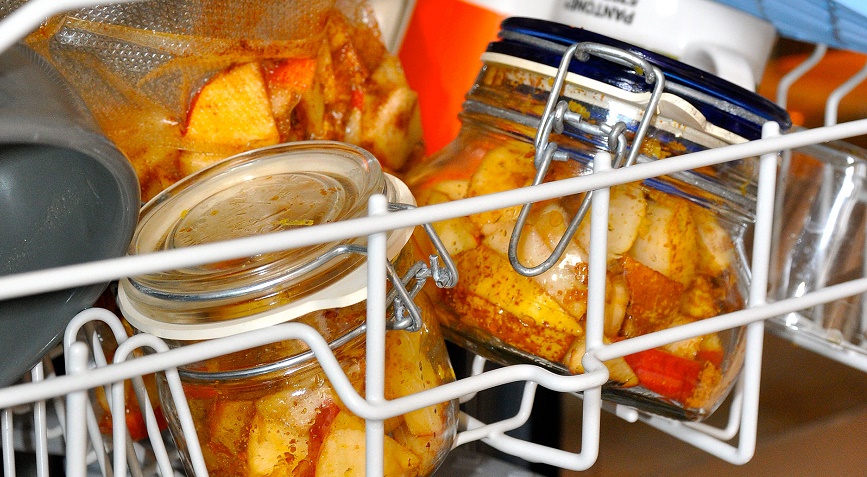
As we strive to reduce our environmental impact, many of us may not have considered cooking food in a dishwasher. But this eco-friendly method can be surprisingly effective, especially when used correctly. In this guide, we’ll explore the basics of cooking in a dishwasher and share some creative recipes to get you started.
The Environmental Benefits of Cooking in a Dishwasher
Before we dive into the nitty-gritty of cooking in a dishwasher, let’s look at the environmental benefits. According to a study by the University of Bonn, Italians are among the European countries that consume the most water washing dishes by hand. By using a dishwasher, you can significantly reduce your water consumption.
In fact, a typical household uses around 15 gallons of hot water per day for washing dishes by hand. In contrast, a modern dishwasher uses approximately 3-5 gallons of water per cycle, depending on its efficiency and usage patterns. This reduction in water consumption is especially important in areas where water scarcity is a growing concern.
Dishwasher Programs: A Key to Successful Cooking
Most dishwashers come with several programs for washing, including:
- ECO: A long but low-temperature wash suitable for lightly soiled dishes.
- Automatic: The standard or automatic program used for heavily soiled dishes.
- Intensive: Program 1, the intensive program, is used for very dirty dishes.
- Rapid: A quick wash that lasts around 30-45 minutes indicated by the letter R.
- Rinse: Only used to rinse dishes, perhaps just covered in dust or soap.
- Crystals: Uses the maximum potential of dishwasher tablets and is primarily used for glassware and containers.
When choosing a program, consider the type of food you’re cooking and its level of soiling. For example, delicate items like eggs or fish may require a gentle wash, while heavily soiled dishes may need an intensive cycle to ensure thorough cleaning.
Cooking in a Dishwasher: Safety First
To cook safely in a dishwasher, follow these basic rules:
- Use suitable containers: Bottles with screw-on lids, vessels with lever-operated lids and rubber gasket seals, or vacuum-sealed bags.
- Only fully sealed containers can guarantee a safe cooking environment, as the food inside will not come into contact with the dishwasher water.
It’s essential to note that some foods, like raw meat, poultry, or fish, should never be cooked in a dishwasher. The risk of bacterial contamination is too high, and proper handling and storage are necessary to minimize this risk.
Maintaining Your Dishwasher for Optimal Performance
Regular maintenance is crucial to ensure your dishwasher runs efficiently. Clean the filter regularly to avoid bad odors in the dishwasher, which can lead to reduced performance and increased energy consumption.
Additionally, check the gasket seals around the dishwasher door to ensure they’re not damaged or worn out. This will help prevent leaks and keep water from entering the machine during operation.
Recipes for Cooking in a Dishwasher
With the right containers and recipes, you can cook any dish in a dishwasher:
- Eggs: Soft-boiled with an intensive wash (Program 1) or hard-boiled with a standard wash (Program 2).
- Scrambled eggs: Made at low temperature (50-55°C) using the ECO program.
- Asparagus and shrimp: Cooked under vacuum to last longer.
Here are some more advanced recipes you can try:
- Cooking pasta in a dishwasher: Use a standard wash (Program 2) with a heat setting of around 60°C. Add your favorite sauce, and let the machine do its magic.
- Baked salmon in a microwave-safe dish: Cook using the ECO program at a low temperature (50-55°C). Seal the container with an air-tight lid for optimal results.
Advanced Recipes and Resources
For more advanced recipes, consider purchasing the book “Cooking in a Dishwasher: Deliciousness, Sustainability, and Savings with Revolutionary Method”. This comprehensive guide provides all the necessary instructions for learning to cook in a dishwasher.
In addition to this book, there are many online resources available that can help you get started with cooking in a dishwasher. Websites like Allrecipes and Food Network offer a wealth of recipes and tips specifically designed for cooking in a dishwasher.
FAQs
- Q: Can I use any type of container in a dishwasher for cooking?
A:** Only fully sealed containers can guarantee a safe cooking environment. - Q: How often should I clean my dishwasher filter?
A:** Regularly, as indicated in the guide to avoid bad odors in the dishwasher. - Q: Can I cook desserts in a dishwasher?
A:** Yes, with some creativity and the right recipes. For example, you can make cheesecake or pudding using the ECO program at a low temperature (50-55°C). - Q: Are there any specific safety precautions to take when cooking in a dishwasher?
A:** Always follow basic rules for safe cooking, such as using suitable containers and regular maintenance.
By embracing the world of cooking in a dishwasher, you can reduce your environmental impact while enjoying delicious meals. With practice and patience, you’ll become a pro at cooking in no time!
Conclusion
Cooking in a dishwasher may seem like an unusual concept, but it’s gaining popularity worldwide due to its eco-friendly benefits and ease of use. By following the guidelines outlined in this guide, you can start experimenting with new recipes and techniques.
Whether you’re looking for convenience, sustainability, or just want to spice up your meal routine, cooking in a dishwasher is definitely worth considering. So go ahead, give it a try, and join the ranks of eco-conscious cooks who are redefining the way we think about food preparation!


