
Cut roses have been a timeless symbol of love, appreciation, and beauty for centuries. With their delicate petals and intoxicating fragrance, it’s no wonder that they remain one of the most popular flowers in the world. However, not all roses are created equal, and choosing the perfect cut rose can be a daunting task. In this article, we’ll delve into the world of cut roses, exploring their history, types, meanings, and care tips to help you choose the perfect variety for your needs.
Understanding the Basics of Cut Roses
Cut roses are roses that have been specifically bred for their beauty, fragrance, and vase life. These flowers are often harvested at a specific stage of maturity to ensure they remain fresh and long-lasting. When it comes to choosing cut roses, it’s essential to understand that not all roses are created equal. While all roses have their unique characteristics, some varieties are better suited for cutting than others.
The History of Cut Roses
Rose cultivation dates back thousands of years, with the first recorded rose varieties emerging in ancient civilizations such as Greece and Rome. Over time, rose breeding has led to the development of numerous hybrid varieties, each with its unique characteristics and traits. Today, cut roses are enjoyed worldwide for their beauty, fragrance, and symbolism.
Types of Cut Roses
There are several types of cut roses, including:
- Rosa rifiorenti: Also known as “cutting roses,” these varieties are specifically bred for their vase life and ability to last long after they’ve been cut.
- Rose da taglio: This term refers to any type of rose that is grown specifically for cutting, regardless of its vase life or characteristics.
Popular Varieties of Cut Roses
Some popular varieties of cut roses include:
- Blue Moon: A rampicant variety known for its vibrant blue color and intense fragrance.
- Alfred Colomb: A hybrid rose with a distinctive red-violet color and powerful scent.
- Baroness Rothschild: An elegant, classic variety with a reddish-pink hue and delicate fragrance.
The Importance of Vase Life
Vase life refers to the length of time that cut roses can last after they’ve been cut from their stem. Roses with longer vase lives are often preferred for cutting because they allow for a longer period of enjoyment.
Tips for Choosing the Perfect Cut Rose
When selecting a cut rose, consider the following factors:
- Color: Different colors have different meanings and symbolism.
- Fragrance: Stronger fragrances can be more desirable in certain situations.
- Vase Life: Choose roses with longer vase lives to ensure they last as long as possible.
The Significance of Rose Colors
Rose colors hold significant meaning and symbolism, with each color representing a different emotion or idea. Understanding the meanings behind various rose colors can help you choose the perfect variety for your needs.
- Red: Representing love, passion, and romance.
- Pink: Symbolizing appreciation, gratitude, and friendship.
- White: Signifying purity, innocence, and new beginnings.
Rose Care 101
To keep cut roses fresh and long-lasting, follow these simple care tips:
- Trim the stems: Trim about an inch off the stem of each rose every few days to promote water uptake.
- Change the water: Replace the water in the vase every few days to prevent bacterial growth.
- Keep them cool: Store cut roses in a cool, dry place away from direct sunlight.
By following these tips and understanding the characteristics of different cut rose varieties, you can enjoy beautiful, fragrant flowers for longer periods. Whether you’re looking to express your love and appreciation or simply add some elegance to your home, cut roses are an excellent choice.
The Art of Cutting Roses
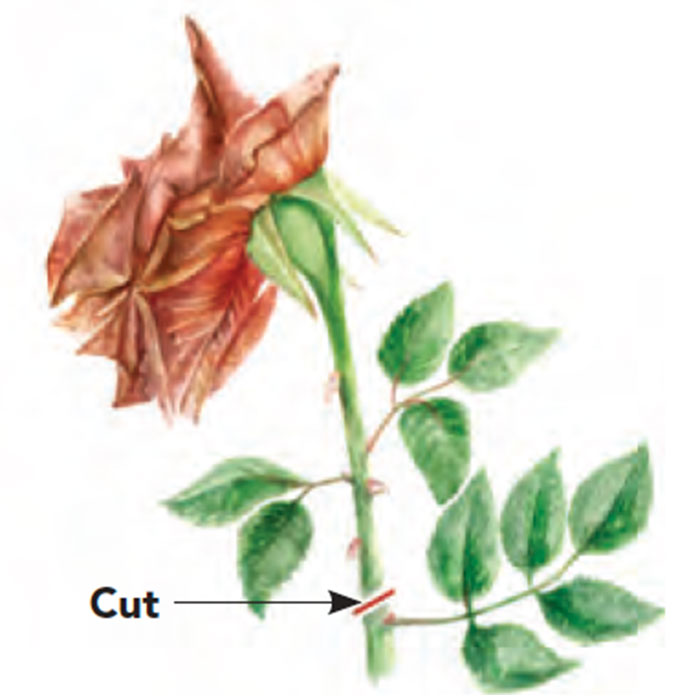
Cutting roses requires a bit of skill and technique, but with practice, anyone can learn the art of cutting their own roses at home. Here are some tips for getting started:
- Use fresh scissors: Use sharp, clean scissors to cut your roses.
- Cut in a cool place: Cut your roses in a cool, dry place away from direct sunlight.
- Cut at an angle: Cut your roses at an angle to promote water uptake.
By following these tips and practicing the art of cutting your own roses, you can enjoy beautiful, fragrant flowers for longer periods. Whether you’re looking to express your love and appreciation or simply add some elegance to your home, cut roses are an excellent choice.
Conclusion
Cut roses have been a timeless symbol of love, appreciation, and beauty for centuries. With their delicate petals and intoxicating fragrance, it’s no wonder that they remain one of the most popular flowers in the world. By understanding the history, types, meanings, and care tips for cut roses, you can choose the perfect variety for your needs. Whether you’re looking to express your love and appreciation or simply add some elegance to your home, cut roses are an excellent choice.
In conclusion, choosing the perfect cut rose requires a bit of knowledge and understanding. By following these tips and practicing the art of cutting your own roses, you can enjoy beautiful, fragrant flowers for longer periods. Whether you’re looking to express your love and appreciation or simply add some elegance to your home, cut roses are an excellent choice.
Additional Resources
For more information on cut roses, including varieties, meanings, and care tips, check out the following resources:
- Rose Society: A website dedicated to promoting and preserving rose breeding.
- The Rose Book of Names: A comprehensive guide to rose names and their meanings.
- Cutting Roses 101: A beginner’s guide to cutting roses at home.
By exploring these additional resources, you can learn more about cut roses and how to choose the perfect variety for your needs.


