
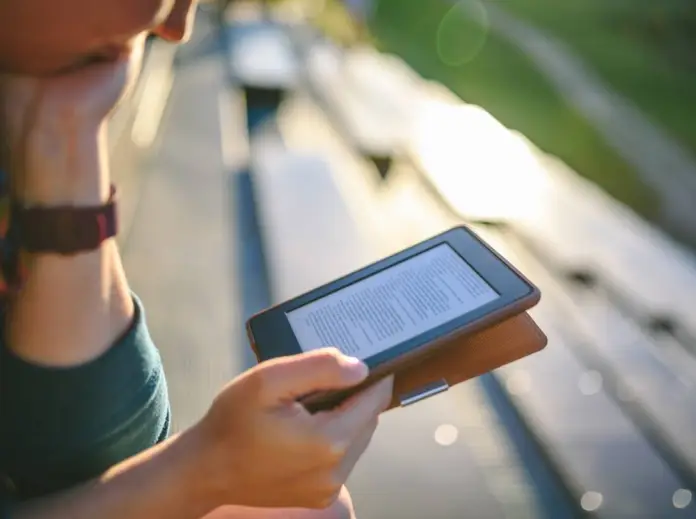
The Environmental Impact of Reading E-books: Separating Fact from Fiction
As the world grapples with the consequences of climate change, the debate over the environmental impact of reading e-books has gained significant traction. With the increasing popularity of digital reading, many are left wondering whether switching to e-books is truly better for the planet.
The Nostalgic Appeal of Print Books
While some may argue that e-books represent the future of reading, others remain nostalgic for the tactile experience of print books. The romanticism surrounding physical books can be attributed to our cultural heritage and the perceived intimacy with the material object itself. Nevertheless, let’s examine the practical advantages of e-books.
The Convenience of E-books
One of the most significant benefits of e-books is their convenience. Without the need for artificial lighting, readers can enjoy their favorite titles in comfort, without disturbing others or wasting energy. Moreover, digital bookmarks and note-taking features eliminate the risk of losing one’s place or marking important passages. The ease of searching for specific content within an e-book also simplifies the reading experience.
A Closer Look at the Environmental Impact
While some may argue that e-books are more environmentally friendly, others claim that they can have a negative impact on the planet. To better understand this issue, let’s delve into the details.
The production and disposal of physical books contribute to deforestation, resource depletion, and waste management issues. However, digital media also has its own set of environmental concerns, including energy consumption, e-waste generation, and data storage requirements.
A Study on the Energy Consumption of Print vs Electronic Media
According to a study conducted by Tejo Pydipati, titled “Energy Use of Print vs Electronic Media,” the energy consumption associated with reading a physical book versus an electronic one depends on several factors, including the number of readers. When a single person reads a book, digital media tends to have a lower environmental impact. However, when multiple people share access to the same e-book or print publication, the benefits of digital media become less apparent.
Where to Find E-books
For those interested in exploring the world of e-books, numerous platforms offer a wide range of titles for download or subscription. Some popular options include:
- Apple Books: A digital book platform that allows users to purchase and read e-books on their Apple devices.
- Amazon Kindle Store: The official online store for Amazon’s e-book platform, offering millions of titles across various genres and formats.
- Free eBooks websites:
- Apogeonline.com
- Athena millennium .it
- Biblioteca italiana .it
- Clairehennoire.altervista.org
- Classicitaliani.it
- E-biblioteca.it
- Eboogle.it
- Ebook gratis.it
- Ebook italiani.it
- Ebook-gratis.it
Conclusion
The environmental impact of reading e-books is a complex issue, influenced by various factors such as production methods, energy consumption, and disposal practices. While some argue that e-books are more environmentally friendly, others claim that they can have negative consequences on the planet. By understanding the practical advantages and limitations of digital media, we can make informed decisions about our reading habits.
Frequently Asked Questions (FAQs)
- What is the environmental impact of producing and disposing of physical books?
- The production and disposal of physical books contribute to deforestation, resource depletion, and waste management issues.
- How does digital media compare in terms of energy consumption?
- Digital media tends to have a lower environmental impact when used by a single person; however, shared access can lead to increased energy consumption.
- Where can I find e-books for download or subscription?
- Popular platforms include Apple Books, Amazon Kindle Store, and various free eBooks websites listed above.
- Are there any risks associated with reading e-books?
- E-books can be prone to glare, eye strain, and decreased readability due to poor lighting conditions.
- Can I lend or share e-books with others?
- Yes, many e-book platforms allow users to share titles or access multiple copies simultaneously.
- How can I ensure the longevity of my e-books?
- Regular software updates, proper storage, and organization of files can help extend the lifespan of your e-book collection.
- Are there any eco-friendly options for purchasing e-books?
- Some platforms offer environmentally friendly purchasing options or allow users to donate their old e-books to support sustainable initiatives.
- Can I convert print books to digital formats?
- Yes, many users can convert their print books to digital formats using software such as Calibre or Adobe Acrobat.
By understanding the complexities surrounding e-book usage and environmental impact, readers can make informed decisions about their reading habits and contribute to a more sustainable future.


