
Understanding Reactive Power in Electrical Systems
As an electrical engineer, you’re likely familiar with the concept of reactive power. But what exactly is it, and why should you care? In this article, we’ll delve into the world of reactive power, exploring its significance, implications, and solutions.
What is Reactive Power?
Reactive power is a type of energy that flows through electrical systems without doing any actual work. It’s the “invisible” energy that makes up part of the total power consumption in an electrical system. Unlike active power, which is used to perform useful work (like lighting a light bulb or powering a motor), reactive power doesn’t contribute to any meaningful outcome.
The Problem with Reactive Power
Reactive power can be problematic for several reasons:
- Increased energy costs: When reactive power builds up in an electrical system, it can lead to increased energy costs for the consumer. This is because the utility company needs to over-size its infrastructure to accommodate the excess reactive power, which means they need to produce more electricity than necessary.
- Reduced efficiency: High levels of reactive power can also reduce the overall efficiency of an electrical system. When reactive power flows through a circuit, it can cause energy losses due to heat dissipation in the conductors.
Penalties for Excessive Reactive Power
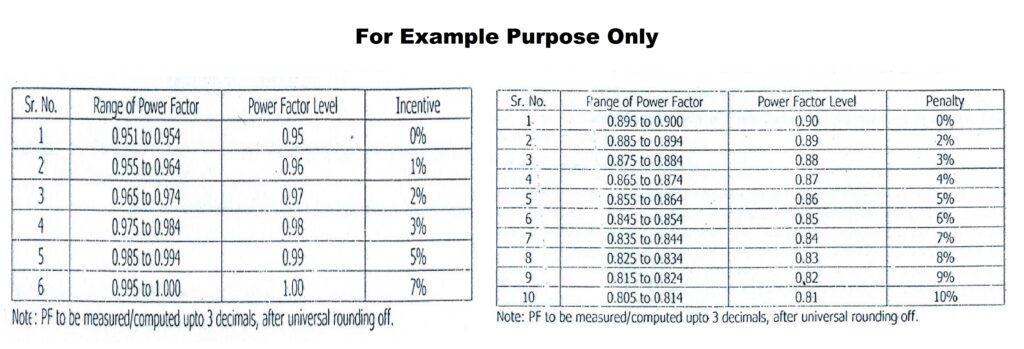
In recent years, utilities have started imposing penalties on consumers who generate excessive reactive power. This is because excessive reactive power can lead to increased energy costs and reduced efficiency. The penalty is usually calculated based on the amount of reactive power that exceeds a certain threshold.
The New Penalties: A Lower Threshold
As of January 1st, 2016, utilities in many regions will begin imposing penalties for excessive reactive power at a lower threshold than previously allowed. This means that consumers who generate more reactive power than ever before may be subject to increased penalties.
What Can You Do?
So, what can you do to minimize the impact of reactive power on your energy bills?
1. Improve Your System’s Quality
One way to reduce reactive power is to improve the quality of your electrical system. This can involve upgrading your equipment, adjusting your wiring, or using specialized devices designed to mitigate reactive power.
2. Use a Power Factor Correction (PFC) Device
A PFC device can help regulate the flow of reactive power in an electrical system. These devices use specialized algorithms to optimize the power factor, reducing the amount of reactive power that flows through the circuit.
3. Install a Reactive Power Compensator
A reactive power compensator is a specialized device designed to mitigate excessive reactive power. These devices work by injecting or absorbing reactive power into the electrical system, helping to stabilize the voltage and reduce energy costs.
4. Optimize Your Load
Optimizing your load can also help reduce reactive power. This involves ensuring that your electrical system is not overloaded, as this can lead to increased reactive power generation.
5. Consider Using a Harmonic Filter
A harmonic filter is a device designed to mitigate the effects of harmonics in an electrical system. These devices work by injecting or absorbing the negative frequencies that are generated by reactive power, helping to stabilize the voltage and reduce energy costs.
Conclusion
Reactive power can be a significant problem for electrical systems, leading to increased energy costs and reduced efficiency. However, there are steps you can take to minimize its impact. By improving your system’s quality, using PFC devices, or installing reactive power compensators, you can help reduce the amount of reactive power that flows through your electrical system.
FAQs
1. What is reactive power, and why should I care?
Reactive power is a type of energy that flows through electrical systems without doing any actual work. It’s not immediately apparent, but excessive reactive power can lead to increased energy costs and reduced efficiency in an electrical system.
2. How does the new penalty policy affect me?
The new penalty policy means that consumers who generate more reactive power than ever before may be subject to increased penalties for excessive reactive power.
3. What are some ways to reduce reactive power?
Some ways to reduce reactive power include improving your system’s quality, using Power Factor Correction (PFC) devices, and installing reactive power compensators.
4. How do I know if my electrical system is generating excessive reactive power?
You can use specialized tools or consult with an electrical engineer to determine if your electrical system is generating excessive reactive power.
5. Can I still generate excessive reactive power even with PFC devices?
Yes, it’s possible to still generate excessive reactive power even with PFC devices. However, these devices can help mitigate the problem by optimizing the power factor and reducing the amount of reactive power that flows through the circuit.
In addition to the methods mentioned above, there are also other ways to reduce reactive power, such as:
6. Using a Soft Starter
A soft starter is a device designed to gradually increase the voltage applied to an electrical system. This can help reduce the amount of reactive power generated by the system.
7. Installing a Capacitor Bank
A capacitor bank is a group of capacitors connected together in a series or parallel configuration. These devices work by storing energy and releasing it when needed, which can help reduce the amount of reactive power generated by an electrical system.
8. Using a Reactive Power Mitigation System
A reactive power mitigation system is a specialized device designed to mitigate excessive reactive power in an electrical system. These systems use advanced algorithms and sensors to detect and respond to changes in the system’s power factor, helping to reduce the amount of reactive power generated by the system.
By understanding the importance of reactive power and using the methods mentioned above, you can help reduce the amount of reactive power that flows through your electrical system, leading to increased efficiency and reduced energy costs.
Reactive Power in Real-World Applications
Reactive power is not just a theoretical concept; it has real-world applications in various fields. Here are some examples:
1. Power Grids
Power grids are complex networks of transmission lines, substations, and distribution systems that transmit electricity from generating stations to consumers. Reactive power plays a critical role in maintaining the stability and efficiency of these grids.
2. Industrial Processes
Industrial processes such as manufacturing, processing, and refining rely heavily on electrical energy. Reactive power can have a significant impact on these processes, leading to increased energy costs and reduced efficiency.
3. HVAC Systems
Heating, ventilation, and air conditioning (HVAC) systems use reactive power to control temperature and humidity levels in buildings. Improperly designed or maintained HVAC systems can lead to excessive reactive power generation, resulting in increased energy bills and reduced system performance.
Conclusion
Reactive power is a critical component of electrical systems, with significant implications for efficiency, stability, and cost. By understanding the importance of reactive power and using the methods mentioned above, you can help reduce the amount of reactive power that flows through your electrical system, leading to increased efficiency and reduced energy costs. Whether you’re an electrical engineer, a building manager, or simply a homeowner looking to reduce your energy bills, reactive power is something you should care about.


