
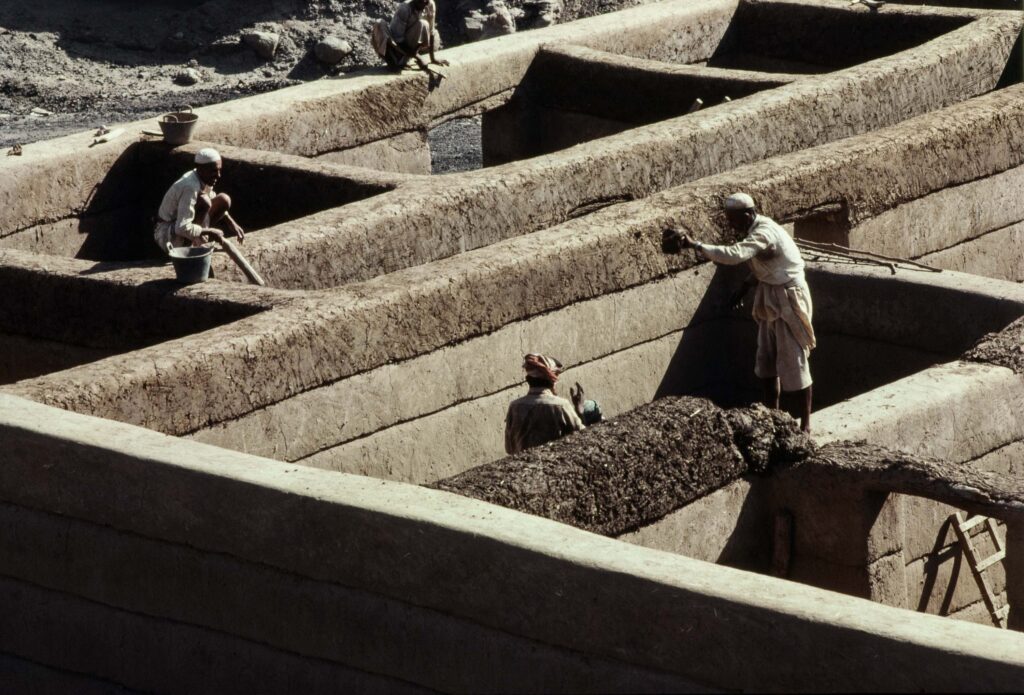
As the world becomes increasingly aware of the importance of sustainability and environmental conservation, the construction industry is being forced to rethink its practices. One material that has been gaining popularity in recent years is raw earth, also known as uncooked or uncured soil. In this article, we will explore the benefits of using raw earth in sustainable construction and why it’s becoming a popular choice for eco-friendly builders.
What is Raw Earth?
Raw earth is simply unworked soil that has been left to dry naturally without any additional processing or treatment. It can be composed of various materials such as clay, silt, sand, and organic matter like vegetation fibers. When used in construction, raw earth can provide excellent insulation properties, making it an attractive option for sustainable building practices.
History of Raw Earth Use
The use of raw earth dates back to ancient times, with evidence of its use found in archaeological records as far back as 8,000 years ago. In many cultures, raw earth was used extensively in construction due to its abundance and availability. Today, raw earth is once again gaining popularity in the construction industry as a sustainable alternative to traditional building materials.
Advantages of Raw Earth
So why is raw earth becoming so popular in sustainable construction? Here are just a few advantages:
- Environmental Benefits: Raw earth is a natural, non-toxic material that doesn’t contribute to greenhouse gas emissions or pollution.
- Cost-Effective: Raw earth is often cheaper than traditional building materials, making it an attractive option for budget-conscious builders.
- Insulation Properties: Raw earth has excellent insulation properties, which can help reduce heating and cooling costs.
- Versatility: Raw earth can be used in a variety of applications, from walls to flooring to roofing.
Limitations of Raw Earth
While raw earth is a sustainable material, it does have some limitations. For example:
- Availability: Raw earth may not be readily available in all areas, which can limit its use.
- Workability: Raw earth can be difficult to work with due to its natural texture and composition.
Real-World Applications
Despite these limitations, raw earth is being used successfully in a variety of real-world applications. For example:
- Eco-Friendly Homes: Many eco-friendly home builders are using raw earth to construct sustainable homes that reduce their carbon footprint.
- Community Buildings: Raw earth has also been used in the construction of community buildings like schools and libraries.
Conclusion
Raw earth is a sustainable material that offers numerous benefits for the environment, budget-conscious builders. While it may have some limitations, its versatility and insulation properties make it an attractive option for eco-friendly builders. As the world continues to focus on sustainability, we can expect to see more raw earth in construction projects.
Frequently Asked Questions
- What is raw earth made of?
Raw earth is a mixture of soil, sand, and organic matter like vegetation fibers. - How long does it take for raw earth to dry?
The drying time for raw earth depends on the humidity and temperature of the environment. - Can raw earth be used in all types of construction projects?
Raw earth can be used in various applications, but its workability may vary depending on the specific project requirements. - How does raw earth compare to traditional building materials?
Raw earth is often cheaper and more environmentally friendly than traditional building materials like cement and steel. - Is raw earth suitable for use in areas with high humidity?
Raw earth can be used in humid environments, but its workability may vary depending on the specific conditions. - Can raw earth be mixed with other materials to enhance its properties?
Yes, raw earth can be mixed with other materials like sand and silt to create a more suitable building material. - What are some common applications of raw earth in construction projects?
Raw earth is used in various applications, including walls, flooring, roofing, and insulation. - How does raw earth compare to recycled materials in terms of sustainability?
Both raw earth and recycled materials have their benefits, but raw earth may offer more environmental advantages due to its natural composition.
Case Study: Eco-Friendly Home Built with Raw Earth
In a small village in the countryside, an eco-friendly home was built using raw earth as the primary building material. The homeowner, who wanted to reduce their carbon footprint, chose raw earth for its sustainability and insulation properties. The project required careful planning and execution, but the results were well worth it.
Benefits of Using Raw Earth
- Cost-Effective: The homeowner saved money on construction costs by using raw earth instead of traditional building materials.
- Environmental Benefits: The use of raw earth reduced greenhouse gas emissions and pollution in the area.
- Insulation Properties: The raw earth provided excellent insulation, keeping the home warm in winter and cool in summer.
Challenges Faced During the Project
- Availability: Raw earth was not readily available in the village, so the homeowner had to search for a supplier.
- Workability: Working with raw earth can be challenging due to its natural texture and composition.
- Building Codes: The project required compliance with local building codes, which added an extra layer of complexity.
Conclusion
The use of raw earth in sustainable construction offers numerous benefits for the environment and budget-conscious builders. While there may be some limitations, such as availability and workability, the advantages make it an attractive option for eco-friendly builders. As the world continues to focus on sustainability, we can expect to see more raw earth in construction projects.
The Future of Raw Earth
As the demand for sustainable building materials increases, raw earth is likely to become a more popular choice for eco-friendly builders. With its natural composition and insulation properties, raw earth offers numerous benefits for the environment and budget-conscious builders. As we move forward, it’s essential to consider the limitations of raw earth and work towards improving its usability.
Raw Earth in the Future
In conclusion, raw earth is a sustainable material that offers numerous benefits for the environment, budget-conscious builders. While there may be some limitations, such as availability and workability, the advantages make it an attractive option for eco-friendly builders. As we move forward, we can expect to see more raw earth in construction projects.


