
Introduction
The raperonzolo, also known as campanula rapunculus, is a wildflower native to Italy that has been used for centuries in traditional medicine. This unique plant has gained attention in recent years due to its versatility, medicinal properties, and potential applications. In this comprehensive guide, we will delve into the history, characteristics, benefits, and uses of raperonzolo, exploring its growth habits, nutritional value, and various health benefits.
What is Raperonzolo?
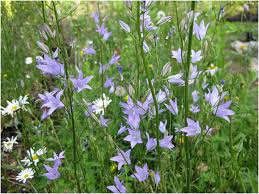
Raperonzolo is a type of flowering plant that belongs to the Campanula genus. Its name translates to “rampion” or “wild rapeseed,” which refers to its resemblance to wild cabbage. This herbaceous plant produces small, bell-shaped flowers in shades of blue, white, or purple. The raperonzolo plant has been used for centuries as a food source and medicinal remedy, offering a range of benefits for oral health, digestive issues, and respiratory problems.
Raperonzolo’s Habitat and Distribution
Raperonzolo can be found growing wild on various types of terrain across Italy, including fields, vineyards, olive groves, and along forest edges. It thrives in calcareous soil but can also adapt to siliceous soils with a neutral pH. The plant is less common on the island of Sicily and Sardinia.
The Raperonzolo Flower
The raperonzolo flower has four petals, arranged in a tetrameric pattern, which means each petal is composed of four smaller parts. The calyx, or base of the flower, contains sepals that resemble tiny leaves. Each flower measures between 15 and 25 millimeters in length. The unique shape and coloration of raperonzolo flowers make them an attractive addition to floral arrangements and herbal remedies.
Raperonzolo as a Food Source
Raperonzolo has been used as a food source for centuries. The plant’s bulbous roots can be consumed raw or cooked, similar to a small turnip. The flavor is slightly bitter, with a hint of sweetness due to the presence of inulin. Raperonzolo leaves and flowers can also be used in cooking, adding a refreshing flavor to salads.
Nutritional Value
Raperonzolo’s roots are rich in vitamins C and K, protein, minerals, and inulin. The leaves contain flavonoids and fiber, which contribute to its various health benefits. Raperonzolo is an excellent source of dietary fiber, containing both soluble and insoluble fiber. This makes it an attractive option for individuals looking to improve their digestive health.
Health Benefits
Raperonzolo has been traditionally used for its medicinal properties, particularly for oral and throat issues. The plant’s roots are rich in antioxidants, which help protect against oxidative stress and inflammation. Raperonzolo’s leaves and flowers contain flavonoids, which have anti-inflammatory properties that may help alleviate respiratory problems.
Potential Applications
Raperonzolo can be consumed as an infusion or decoction, offering a soothing, refreshing effect. This remedy is effective for reducing inflammation, digestive issues, and respiratory problems. Gargling with raperonzolo tea can also help alleviate sore throats and mouth ulcers. Additionally, the plant’s antioxidant properties make it an attractive ingredient in natural skincare products.
Growing Raperonzolo: Tips and Tricks
Raperonzolo can be cultivated in containers or directly in the ground. To grow this plant, obtain Campanula rapunculus seeds from reputable suppliers or online retailers. The optimal growing conditions involve providing well-draining soil and partial shade. Raperonzolo prefers cooler temperatures, making it an excellent option for gardeners living in regions with mild winters.
Conclusion
Raperonzolo is a versatile, wildflower plant with multiple uses in both food and medicine. Its unique properties make it an attractive addition to herbal remedies and healthy eating. With its extensive history and applications, raperonzolo is a fascinating topic worth exploring further. Whether you’re interested in using the plant as a medicinal remedy or incorporating it into your diet, raperonzolo offers a range of benefits for oral health, digestive issues, and respiratory problems.
Frequently Asked Questions (FAQs)
-
Q: What are the potential health benefits of consuming raperonzolo?
A: Raperonzolo has been traditionally used for its medicinal properties, particularly for oral and throat issues. The plant’s roots contain vitamins C and K, protein, minerals, and inulin, which contribute to its various health benefits. -
Q: Can I grow raperonzolo at home?
A: Yes, raperonzolo can be cultivated in containers or directly in the ground with well-draining soil and partial shade. -
Q: How do I prepare a raperonzolo tea?
A: To make a raperonzolo tea, steep 100 ml of boiling water with 3 grams of dried roots for 5-10 minutes. Strain and drink as needed. -
Q: What are the potential side effects of consuming raperonzolo?
A: As with any herbal remedy, it is recommended to consult a healthcare professional before using raperonzolo, especially if you have any underlying medical conditions. -
Q: Can I use raperonzolo leaves and flowers in cooking?
A: Yes, raperonzolo leaves and flowers can be used in salads or as an addition to other dishes, adding a refreshing flavor. -
Q: Where can I purchase raperonzolo seeds online?
A: Raperonzolo seeds are available from reputable suppliers on online retailers such as Amazon. -
Q: How do I store raperonzolo roots and leaves for later use?
A: Store raperonzolo roots and leaves in a cool, dry place to preserve their flavor and nutritional properties. -
Q: Can I consume raperonzolo if I have diabetes?
A: Raperonzolo’s root system contains no starch or amylase, making it an attractive option for individuals with diabetes. Consult a healthcare professional before using raperonzolo as part of your diet.
Additional Tips and Precautions
- When consuming raperonzolo, start with small amounts to assess tolerance.
- Raperonzolo can interact with certain medications, such as blood thinners and diabetes medications.
- Pregnant or breastfeeding women should consult a healthcare professional before using raperonzolo as a medicinal remedy.
By understanding the unique properties and benefits of raperonzolo, you can incorporate this versatile plant into your diet and herbal remedies. Whether you’re looking to improve your oral health, digestive issues, or respiratory problems, raperonzolo offers a range of solutions for individuals seeking natural and holistic approaches to healthcare.


