
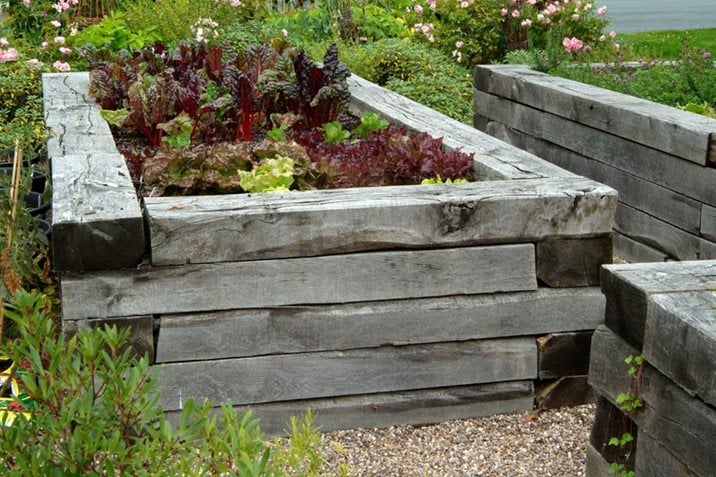
As gardeners, we are always on the lookout for new ways to improve our outdoor spaces. One popular method is using raised beds, also known as elevated gardens or orchards. In this article, we will explore the benefits and advantages of creating an elevated garden, from its practical applications to its potential uses.
What is a Raised Bed?
A raised bed is a section of land that has been raised above the surrounding soil level, typically using wood, stone, or other materials. It provides a defined space for planting flowers, vegetables, and herbs, allowing you to control factors such as drainage, sunlight, and temperature.
The Advantages of Raised Beds
1. Improved Drainage
One of the main benefits of raised beds is improved drainage. By elevating the bed above the surrounding soil, water can flow freely through the system, reducing the risk of waterlogged soil and root rot.
2. Increased Accessibility
Raised beds are often lower to the ground than traditional gardens, making it easier for people with mobility issues or young children to reach and tend to the plants.
3. Better Soil Quality
Raised beds allow you to use high-quality potting mix, which can lead to better plant growth and reduced disease susceptibility.
4. Enhanced Aesthetics
Elevated gardens can be designed to be visually appealing, with a focus on hardscaping elements like stone or wood accents.
5. Better Temperature Regulation
Raised beds tend to warm up faster in the spring and cool down faster in the fall, providing optimal growing conditions for many plants.
6. Reduced Soil Compaction
By not compacting the soil as much as traditional gardens, raised beds can help reduce soil erosion and promote healthy root growth.
7. Increased Yield
Many gardeners report increased yields when using raised beds, likely due to improved drainage and better soil quality.
Choosing the Right Materials
When building a raised bed, you’ll need to select materials that are durable, weather-resistant, and suitable for your climate. Some popular options include:
- Wood (cedar, cedar treated, or composite)
- Stone
- Brick
- Concrete
Make sure to choose materials that can withstand the elements and provide a stable base for your plants.
Designing Your Elevated Garden
When designing your elevated garden, consider the following factors:
- Purpose: Will you be growing vegetables, flowers, or a combination of both?
- Space: How much space do you have available?
- Sunlight: Where will the bed receive most sunlight?
- Drainage: What type of drainage system do you need?
By considering these factors, you can create a beautiful and functional elevated garden that meets your needs.
Building Your Elevated Garden
If you’re feeling DIY-minded, building an elevated garden can be a fun and rewarding project. Here are some steps to get you started:
- Choose your materials
- Plan your design
- Build the frame
- Add the bottom layer (soil or gravel)
- Plant your chosen plants
Tips and Tricks
Here are a few more tips and tricks for creating an elevated garden:
- Use a mix of plants: Combine vegetables, flowers, and herbs to create a diverse and thriving ecosystem.
- Add decorative elements: Incorporate hardscaping elements like stone or wood accents to enhance the aesthetic appeal of your garden.
- Keep it well-maintained: Regularly water, fertilize, and prune your plants to ensure optimal growth.
Common Mistakes to Avoid
When creating an elevated garden, there are a few common mistakes to avoid:
- Using materials that are not durable or weather-resistant
- Not considering drainage needs
- Not planning for accessibility
- Not maintaining the garden regularly
By avoiding these mistakes and following our tips and tricks, you can create a beautiful and functional elevated garden that meets your needs.
Maintenance and Upkeep
Maintaining an elevated garden requires regular upkeep to ensure optimal growth and health. Here are some tasks to consider:
- Watering: Water plants regularly, taking into account the specific needs of each plant.
- Fertilizing: Fertilize plants regularly, using a balanced fertilizer that meets their nutritional needs.
- Pruning: Prune plants regularly, removing dead or diseased branches and promoting healthy growth.
By following these maintenance tasks, you can keep your elevated garden looking its best and enjoying optimal yields.
Conclusion
Creating an elevated garden can be a fun and rewarding project that provides numerous benefits for your outdoor space. By understanding the advantages and disadvantages of raised beds, choosing the right materials, designing your bed, building it, and maintaining it, you can create a beautiful and functional elevated garden that meets your needs.
FAQs
Here are some frequently asked questions about elevated gardens:
- Q: How high should my elevated garden be?
A: The ideal height for an elevated garden depends on the purpose of the bed. For vegetables, 6-8 inches is often recommended, while flowers and herbs can thrive in shallower beds. - Q: What type of soil should I use for my elevated garden?
A: A well-draining potting mix with a balanced pH is ideal for most plants. - Q: Can I grow trees in an elevated garden?
A: Yes, but make sure to choose dwarf or compact varieties that are specifically bred for container gardens.
By following these tips and considering your specific needs and goals, you can create an elevated garden that brings joy and productivity to your outdoor space.


