
What are Rainwater and How is it Treated?
Rainwater is a vital component of the water cycle, and understanding its importance can help us make informed decisions about how to manage it. In this article, we’ll explore what rainwater is, how it’s treated, and provide tips on how to manage it in a sustainable way.
The Importance of Rainwater Management
Rainwater management is crucial for maintaining the health of our environment and water resources. When rainwater flows over the ground, it can lead to erosion, flooding, and contamination of water sources. By managing rainwater effectively, we can reduce the risk of these problems and create a more sustainable future.
What is Rainwater?
Rainwater is water that falls from the sky during precipitation events. It’s not just plain water; it can also contain pollutants and sediment that can affect its quality. When rainwater flows over the ground, it can pick up contaminants such as bacteria, pesticides, and heavy metals, which can harm plants, animals, and humans.
Treatment of Rainwater
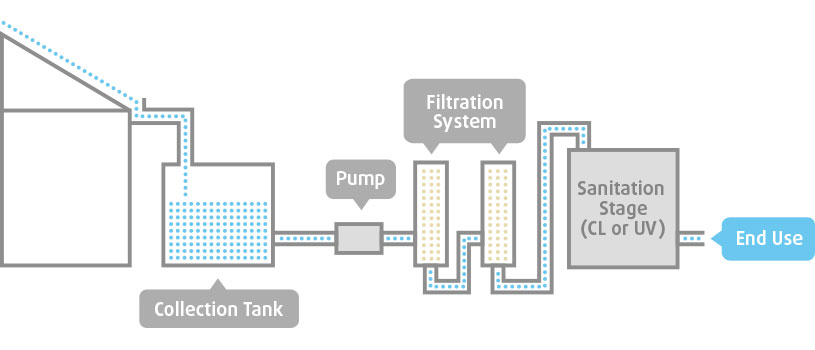
Rainwater treatment is essential to remove impurities and make it safe for reuse. There are several methods of treating rainwater, including physical, biological, and chemical treatments. Physical treatments involve removing large particles and sediment from the water using filters or screens. Biological treatments use living organisms to break down organic matter and pollutants. Chemical treatments use chemicals to neutralize or remove impurities.
Sustainable Rainwater Management
So, how can we manage rainwater in a sustainable way? Here are some tips:
- Install rainwater harvesting systems: Collecting and storing rainwater can provide a reliable source of water for irrigation, toilet flushing, and other non-potable uses.
- Use permeable surfaces: Permeable surfaces such as gravel, sand, or porous pavement allow rainwater to infiltrate the ground, reducing stormwater runoff and recharging groundwater aquifers.
- Implement green infrastructure: Green roofs, walls, and urban forests can absorb and filter rainwater, improving water quality and reducing stormwater management costs.
- Use efficient irrigation systems: Drip irrigation and other efficient irrigation systems can reduce water waste and minimize the impact of rainwater on the environment.
Rainwater and Infiltration
Rainwater infiltration is a critical component of sustainable rainwater management. When rainwater infiltrates the ground, it recharges groundwater aquifers, reducing stormwater runoff and improving water quality. However, infiltration rates can be affected by factors such as soil type, compaction, and vegetation.
Acquiring Acquiescence with Rainwater Management
Rainwater management is an essential aspect of sustainable urban planning and design. By understanding the benefits and challenges of rainwater management, we can create more resilient and sustainable communities.
- Assess the risks and benefits: Evaluate the potential impacts of rainwater on your community, including flood risk, water quality, and ecosystem health.
- Develop a comprehensive plan: Create a plan that incorporates rainwater management strategies, such as green infrastructure, efficient irrigation systems, and rainwater harvesting.
- Engage with stakeholders: Collaborate with local residents, businesses, and organizations to ensure that rainwater management plans meet the needs of all community members.
Rainwater Management and Climate Change
Climate change is expected to increase rainfall variability and intensity, leading to more frequent and severe flooding events. By implementing effective rainwater management strategies, we can reduce the risks associated with climate-related flooding and improve water quality.
- Monitor and predict rainfall: Use advanced technologies such as weather forecasting and radar systems to anticipate and prepare for heavy rainfall events.
- Implement flood-resistant design: Design buildings and infrastructure that are resistant to flooding, using techniques such as elevated construction and stormwater management systems.
- Promote green infrastructure: Encourage the development of green infrastructure, such as parks, gardens, and urban forests, which can help mitigate the impacts of heavy rainfall.
Rainwater Management and Public Health
Rainwater can pose health risks if it’s contaminated with pollutants or pathogens. By implementing effective rainwater management strategies, we can reduce the risk of waterborne diseases and improve public health.
- Conduct regular water quality testing: Monitor rainwater for contaminants such as bacteria, viruses, and other pollutants.
- Implement treatment and disinfection: Treat and disinfect rainwater using methods such as filtration, sedimentation, and chlorination.
- Promote proper hygiene practices: Educate the public on proper hygiene practices when handling rainwater, including handwashing and proper toilet flushing.
Rainwater Harvesting
Rainwater harvesting is a sustainable way to collect and store rainwater for various uses. Here are some tips:
- Choose the right collection system: Select a collection system that suits your needs, such as a roof catchment or a tank.
- Protect the water quality: Use first flush devices, filters, and other protective measures to prevent contamination of the collected rainwater.
- Store the water safely: Store the collected rainwater in a secure location, such as a waterproof tank or a cistern.
Rainwater Storage
Rainwater storage is an essential aspect of sustainable rainwater management. Here are some tips:
- Choose the right storage system: Select a storage system that suits your needs, such as a tank or a cistern.
- Protect the water quality: Use first flush devices, filters, and other protective measures to prevent contamination of the stored rainwater.
- Use the water efficiently: Use the stored rainwater for various purposes, such as irrigation, toilet flushing, and washing.
Rainwater Disposal
Rainwater disposal is a critical aspect of sustainable rainwater management. Here are some tips:
- Dispose of it safely: Dispose of the collected rainwater in a safe manner, such as through treatment and discharge into a watercourse or by use for irrigation.
- Use green infrastructure: Use green infrastructure, such as green roofs, walls, and urban forests, to absorb and filter the rainwater.
- Promote education and awareness: Educate the public on the importance of safe disposal practices.
Conclusion
Rainwater management is a critical aspect of sustainable urban planning and design. By understanding the benefits and challenges of rainwater management, we can create more resilient and sustainable communities. Whether you’re an urban planner, engineer, or resident, there are many ways to contribute to effective rainwater management practices.
- Stay informed: Stay up-to-date on the latest research and technologies related to rainwater management.
- Collaborate with others: Work with local stakeholders, experts, and organizations to develop comprehensive rainwater management plans.
- Promote education and awareness: Educate the public on the importance of rainwater management and the benefits of sustainable practices.
By working together, we can create a more sustainable future for all.


