
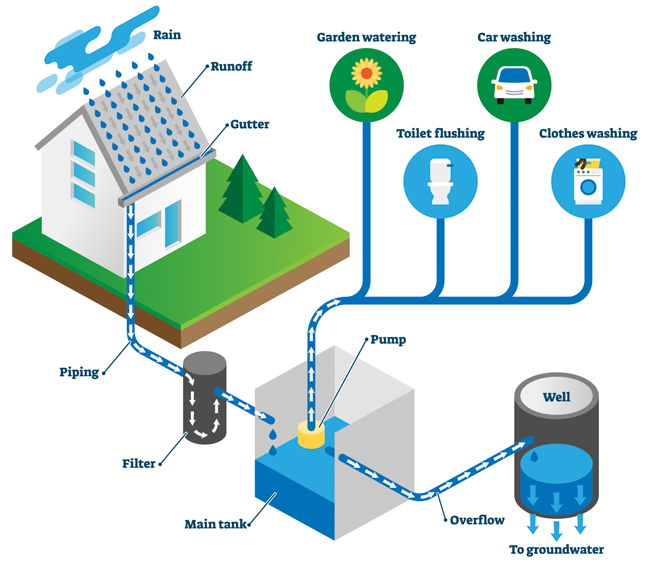
Water is a vital resource that our planet relies on, yet it’s being wasted in the most inefficient ways. One clever way to optimize water usage is by recovering rainwater. This article will delve into the world of rainwater harvesting, exploring its benefits, uses, and installation methods.
Why Rainwater Harvesting Matters
Rainwater harvesting is a simple yet effective way to reduce our reliance on potable water. By collecting and reusing rainwater, we can significantly lower our water bills, minimize waste, and promote sustainability. This approach also helps to alleviate pressure on municipal water supplies and reduces the strain on groundwater resources.
Using Recovered Rainwater
Reclaimed rainwater has numerous practical applications:
• Gardening: Use it for irrigation, reducing the need for potable water.
• Household chores: Filtered rainwater can be used for cleaning, washing clothes, and even flushing toilets.
• Personal hygiene: It’s an eco-friendly alternative to bottled water for personal grooming.
The Process of Rainwater Harvesting
Rainwater harvesting involves collecting and storing rainwater in a suitable container. There are various methods to achieve this:
- Installing a cistern or reservoir under the roof or in a strategic location.
- Using plastic containers, such as bottles or tanks, strategically placed around the property.
- Creating an irrigation system that channels rainwater from rooftops to specific areas of the garden.
Sophisticated Systems
For larger properties or those with more complex needs, advanced systems can be employed. These involve:
- Installing a network of pipes and gutters to collect and direct rainwater.
- Using condensation collection systems to harvest water from air conditioning units, refrigerators, or even the atmosphere.
Simplified Methods
For smaller spaces or DIY enthusiasts, simpler approaches can be taken:
- Cutting plastic bottles in half to create makeshift collection vessels.
- Employing a basic irrigation system using PVC pipes and fittings.
Designing an Efficient System
When designing a rainwater harvesting system, several factors must be considered:
- Tubing: Install tubings that are resistant to corrosion and can handle the water’s pH level.
- Filtration: Include filters at key points in the system to prevent debris and contaminants from entering the stored water.
- Overflow protection: Install a drainage system to divert excess water away from the harvesting area.
Types of Storage Containers
There are two main types of storage containers:
- Below-ground tanks: Buried beneath the ground to protect them from freezing temperatures and sunlight damage.
- Above-ground tanks: Exposed to the elements but can be easily inspected and maintained.
Benefits of Rainwater Harvesting
In addition to its practical applications, rainwater harvesting also offers several environmental benefits:
- Reduced energy consumption: Treating and pumping potable water requires significant amounts of energy. In contrast, harvested rainwater often requires minimal treatment.
- Lower carbon footprint: By reducing the demand on municipal water supplies, we can lower our reliance on fossil fuels and decrease greenhouse gas emissions.
- Preservation of natural resources: Rainwater harvesting helps to preserve our planet’s most precious resource, ensuring a sustainable future for generations to come.
Challenges and Limitations
While rainwater harvesting offers numerous benefits, there are also several challenges and limitations to consider:
- Initial investment costs: Installing a rainwater harvesting system can be expensive, especially for larger properties.
- Space requirements: Depending on the size of your property and the complexity of your needs, you may need to allocate significant space for storage containers or piping systems.
- Maintenance requirements: Regular maintenance is essential to ensure that your system functions efficiently and effectively.
Best Practices for Rainwater Harvesting
To maximize the effectiveness of your rainwater harvesting system, follow these best practices:
- Use a combination of first flush devices and screens to prevent debris from entering the storage container.
- Install a backwash system to clean and maintain your filtration equipment regularly.
- Regularly inspect your system for signs of damage or wear, making repairs as needed.
Conclusion
Rainwater harvesting is a simple yet effective way to conserve water, reduce waste, and promote sustainability. By understanding its benefits, uses, and installation methods, individuals and communities can make a positive impact on our planet’s most precious resource.
Frequently Asked Questions
1. Can I use rainwater for drinking?
- While rainwater is generally safe to drink, it may not be suitable for human consumption without proper treatment. Consider installing a filtration system or using distilled water from the harvesting process.
2. How much space do I need for a rainwater harvesting system?
- The amount of space required depends on your specific needs and the type of system you choose. A basic setup can be installed in as little as a few square feet, while more complex systems may require larger areas.
3. What kind of materials are best suited for rainwater harvesting containers?
- Choose materials that are resistant to corrosion and can handle the water’s pH level. Plastic, metal, or glass containers are popular options for rainwater harvesting.
4. Can I use a rainwater harvesting system during droughts?
- Yes, rainwater harvesting systems can be used even during droughts, as they rely on precipitation rather than municipal water supplies.
5. Is rainwater harvesting suitable for homes with septic tanks?
- In some cases, yes; however, it’s crucial to consult a professional and ensure that the system is designed and installed properly to avoid potential issues with your septic tank.


