
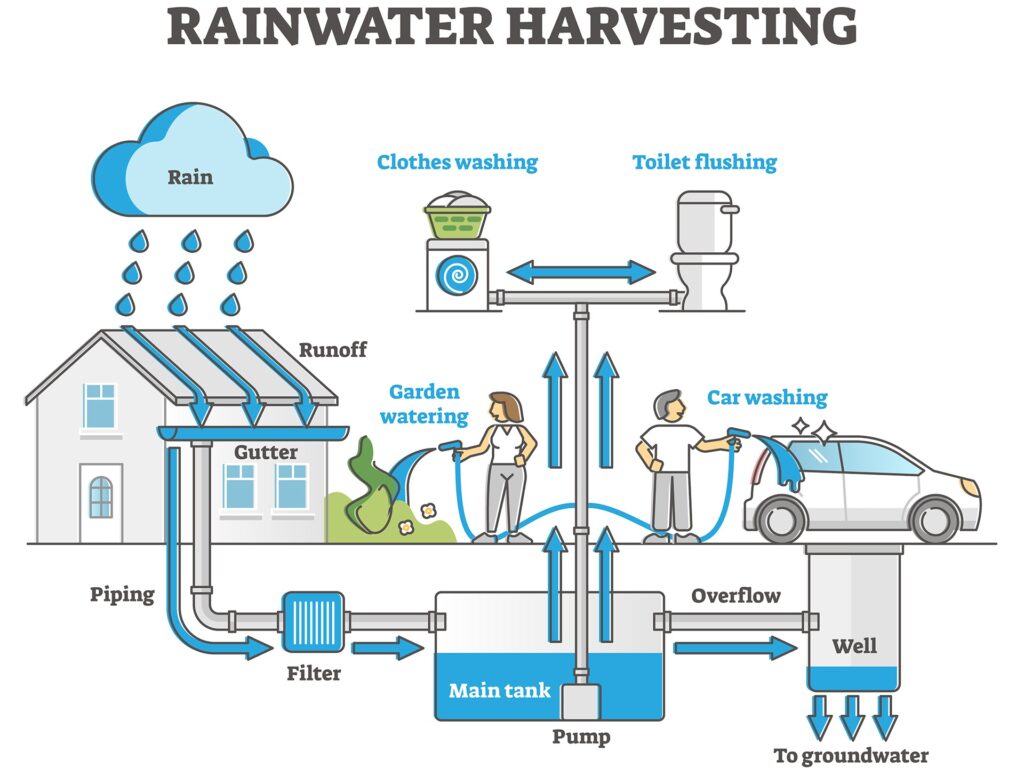
As the world grapples with water scarcity, rainwater harvesting systems have become a popular solution. These systems collect and store rainwater for various uses, such as irrigation, toilet flushing, and even household cleaning. With numerous models available, it’s essential to understand when to install a rainwater harvesting system, its pros and cons, and how to design an efficient one.
Why Install a Rainwater Harvesting System?
Rainwater harvesting systems offer several benefits, including:
- Reduced water consumption
- Lower water bills
- Environmental sustainability
- Increased energy efficiency
However, the decision to install a rainwater harvesting system depends on various factors, such as climate, roof size, and local regulations.
Types of Rainwater Harvesting Systems
There are two primary types of systems:
- Intermittent Systems: These systems require regular maintenance and can be prone to contamination.
- Continuous Systems: These systems are more efficient but require a larger upfront investment.
Factors to Consider When Designing a Rainwater Harvesting System
When designing a rainwater harvesting system, consider the following factors:
- Climate: The amount of rainfall in your area will impact the size and efficiency of your system.
- Roof Size: A larger roof can collect more water, but may require additional structural support.
- Local Regulations: Check with local authorities for regulations on rainwater harvesting systems.
When to Install a Rainwater Harvesting System?
The ideal time to install a rainwater harvesting system is when:
- You have a large roof space
- You live in an area with high rainfall
- You’re looking to reduce your water consumption and bills
Benefits of Using Rainwater for Household Purposes
Using rainwater for household purposes can also offer additional benefits, such as:
- Reduced energy costs: Using rainwater for household cleaning and laundry reduces the need for hot water, resulting in lower energy bills.
- Improved hygiene: Using potable rainwater for washing hands and face reduces the risk of waterborne illnesses.
Rainwater Harvesting System Components
A typical rainwater harvesting system consists of:
- Gutters: Collects and directs rainwater from the roof to the storage tank.
- Downspout: Directs rainwater from the gutter into the storage tank.
- Storage Tank: Holds the collected water until it’s needed.
- Pumps: Transfers water from the storage tank to the desired outlet (e.g., toilet, irrigation system).
- First Flush Device: Allows the initial flow of rainwater to pass through, taking any debris and contaminants with it, before allowing clean water to be drawn off.
Rainwater Harvesting System Maintenance
Regular maintenance is crucial to ensure the effectiveness and longevity of a rainwater harvesting system:
- Cleaning the gutters and downspouts regularly
- Inspecting the storage tank for signs of contamination or damage
- Checking the pumps and valves for proper function
Environmental Impact of Rainwater Harvesting Systems
Rainwater harvesting systems can have a significant positive impact on the environment:
- Reduces stormwater runoff: By collecting rainwater, the risk of pollution from stormwater runoff is reduced.
- Decreases groundwater usage: Using rainwater reduces the demand on groundwater sources.
Conclusion
Rainwater harvesting systems offer numerous benefits, from reduced water consumption to increased energy efficiency. When designed correctly, these systems can be an effective solution for households and businesses looking to reduce their environmental footprint.


