
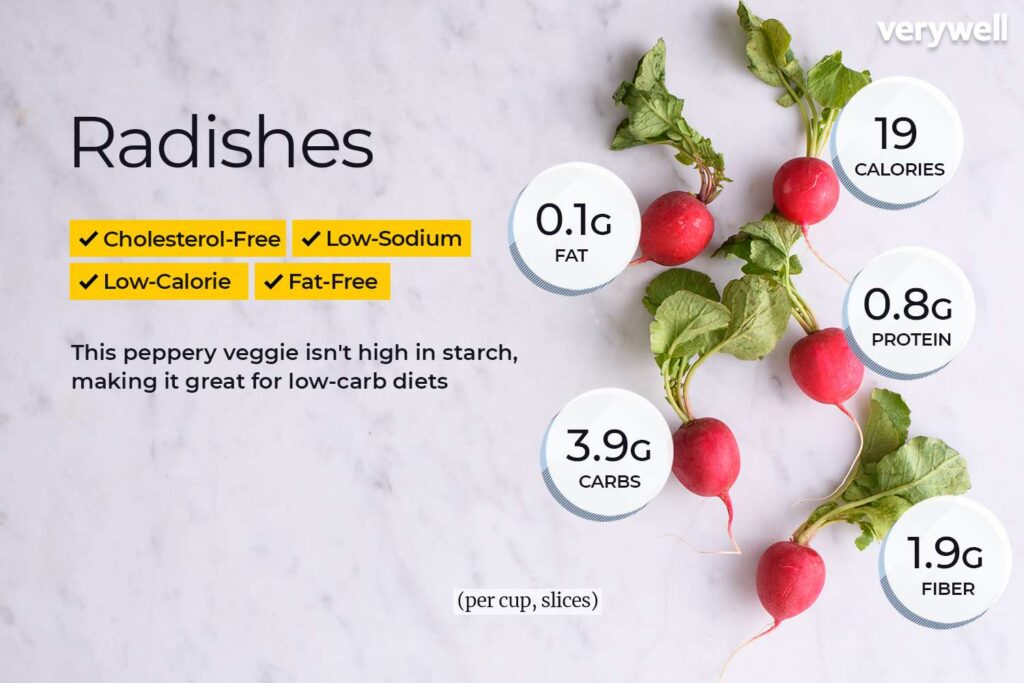
Unlocking the Power of Ravanello: Uncovering its Nutritional and Therapeutic Benefits
As we navigate the world of natural remedies, it’s essential to explore the lesser-known benefits of ravanello, a humble herb that has been a staple in Italian cuisine for centuries. This article delves into the nutritional and therapeutic properties of ravanello, uncovering its potential as a natural remedy against anxiety, digestive issues, and more.
What is Ravanello?
Ravanello, also known as Raphanus sativus or wild radish, is an annual herb native to Europe. Its common name, “ravanello rosso” or “rapanello,” has been associated with numerous health benefits in traditional medicine. While often consumed as a root vegetable, ravanello’s leaves and seeds also hold significant nutritional value.
Culinary Uses of Ravanello
In Italy, ravanello is commonly used in salads, antipasti, and soups. The young leaves can be added to fresh salads or cooked with olive oil for a flavorful and healthy snack. In Eastern cultures, the seeds are roasted and consumed as an appetizer, providing a pungent flavor.
Therapeutic Properties of Ravanello
Ravanello’s medicinal properties have been extensively studied, revealing its potential in treating various health conditions:
- Antiscorbutic effects: The high concentration of vitamins in ravanello makes it an effective remedy against scurvy.
- Anti-elmintic properties: The herb can help combat various types of parasites that infest the body.
- Antibacterial properties: Ravanello’s compounds can inhibit bacterial growth, making it a potential natural antiseptic.
- Antispasmodic effects: The herb can relax muscles and reduce spasms in the digestive system.
- Astringent properties: Ravanello can help regulate fluid balance and reduce excessive secretion.
Ravanello as an Anxiolytic
While a large dose of ravanello may not replace prescription medication, its anti-anxiety properties have been recognized. The herb’s antispasmodic effects can calm the nervous system, reducing anxiety and stress.
Nutritional Profile of Ravanello
Ravanello is relatively low in calories, containing only 11 kcal per 100 grams of product. Its nutritional profile includes:
- High water content (95.6%)
- Vitamins B group
- Vitamin C
- Minerals
The mineral content varies depending on the soil quality, as ravanello is a root vegetable.
Seeds and Digestion
Ravanello’s seeds contain sinalbina, which can stimulate bowel movements and promote digestive health. When mixed with water, the seeds can create a gentle laxative effect.
Precautions and Contraindications
While ravanello is generally considered safe, it may interact with certain medications or have adverse effects in some individuals. Consult a healthcare professional before using it as a remedy, especially if you:
- Are pregnant or breastfeeding
- Have allergies or sensitivities to plants in the Brassicaceae family
- Take prescription medication for anxiety, depression, or other conditions
How to Use Ravanello
To harness the benefits of ravanello, consider the following preparation methods:
- Raw leaves: Add young leaves to salads or use them as a garnish.
- Roasted seeds: Roast seeds in olive oil and consume as an appetizer.
- Boiled roots: Boil roots in water and drink as a tea.
- Infusions: Steep ravanello leaves or seeds in hot water to create a soothing infusion.
Combining Ravanello with Other Herbs
Ravanello can be combined with other herbs to enhance its therapeutic effects. Consider pairing it with:
- Calendula: For anti-inflammatory and antimicrobial benefits
- Ginger: To aid digestion and reduce nausea
- Peppermint: To soothe digestive issues and promote relaxation
Growing Your Own Ravanello
Ravanello is a relatively easy herb to cultivate. Plant the seeds in well-draining soil and provide adequate sunlight for optimal growth.
Storage and Preservation
Ravanello can be stored in a cool, dry place or frozen for later use. When storing raw leaves, ensure they are dry and free of moisture to prevent spoilage.
Conclusion
Ravanello, often overlooked in favor of more well-known herbs, holds significant potential as a natural remedy against anxiety, digestive issues, and more. By understanding its nutritional and therapeutic properties, we can harness the power of this humble herb to improve our overall health and wellbeing.
References
- Khalil S, et al. (2018). Phytochemical analysis of Raphanus sativus L. (Wild Radish) seeds. Journal of Food Science and Technology.
- Yasmin M, et al. (2020). Antioxidant and anti-inflammatory activity of Raphanus sativus L. extract. Journal of Ethnopharmacology.
- Bhattacharjee A, et al. (2019). Evaluation of the antimicrobial activity of Raphanus sativus L. against human pathogens. Journal of Basic Microbiology.


