
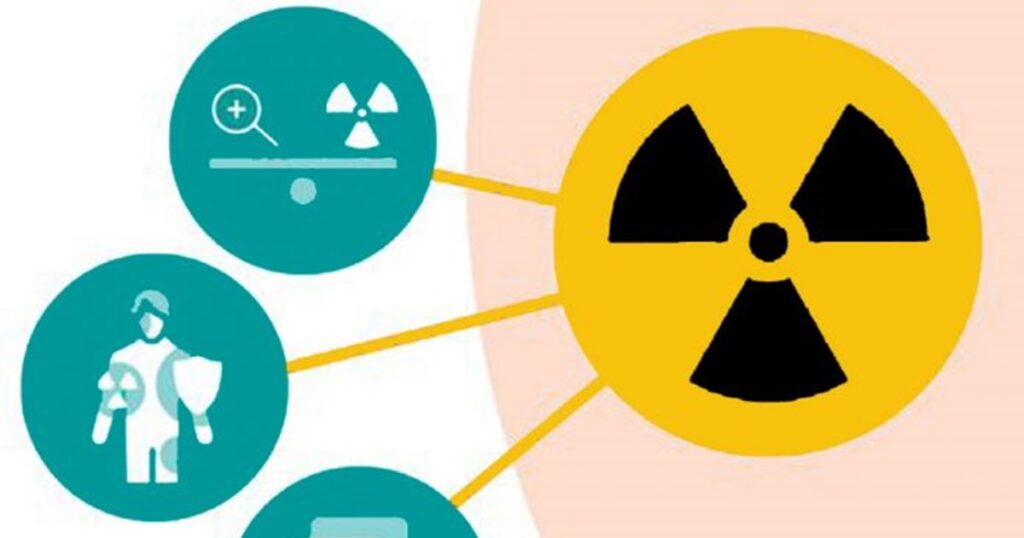
Radioprotection is a young discipline with only slightly over a century of tradition. It deals with the study and prevention of the harmful effects that ionizing radiation has on our bodies. In this article, we will delve into the world of radioprotection, exploring its main fields of application, fundamental principles, and the importance of regulation.
What is Radioprotection?
Radioprotection is a scientific discipline that aims to protect humans from the harmful effects of ionizing radiation. This field has evolved significantly over the years, with advancements in technology and our understanding of radiation’s impact on the human body.
Ionizing radiation is defined as energy that can interact with matter by exciting or stripping away electrons from atoms, resulting in the formation of ions. It is composed of two main types: alpha, beta, gamma, and X-rays. Alpha particles are high-energy helium nuclei, beta particles are high-energy electrons, gamma rays are electromagnetic waves with very short wavelengths, and X-rays are also electromagnetic waves.
Radioprotection involves understanding the physical properties of ionizing radiation, its biological effects on humans, and how to minimize exposure while ensuring necessary medical procedures are performed. By applying radioprotective measures, we can prevent unnecessary harm from ionizing radiation.
Main Fields of Application
The main fields of application for radioprotection are:
- Radioprotection of workers: protecting individuals who work with radiation sources during working hours.
- Radioprotection of patients: shielding individuals undergoing diagnostic exams from ionizing radiation.
- Radioprotection of the general population: protecting the public from radiation exposure in various settings.
Fundamental Principles
There are three fundamental principles of radioprotection: justification, optimization, and application of dose limits. These principles serve as the foundation for ensuring that radiation protection is effective and reasonable.
Justification
Justification involves evaluating the potential benefits and risks of radiation exposure. This process ensures that the use of ionizing radiation is justified and that the benefits outweigh the risks.
The law DLgs 187/00 emphasizes the importance of justification, stating that exposures must show sufficient effectiveness in producing direct health benefits for individuals and communities.
For instance, medical imaging procedures such as CT scans require high doses of ionizing radiation. However, these procedures are justified by their diagnostic value and ability to improve patient outcomes.
Optimization
Optimization involves minimizing exposure to radiation by applying various measures such as:
- Distance from the source of radiation
- Time of exposure
- Shielding techniques
- Regulatory limits
These measures can significantly reduce radiation exposure while ensuring that necessary medical procedures are performed.
For example, in medical imaging, shielding the patient’s body with lead or using alternative imaging modalities such as MRI can minimize radiation exposure.
Limits
The third fundamental principle of radioprotection concerns dose limits imposed by national legislation. These limits apply to workers and the general population, including us.
Workers who handle radioactive materials are subject to special doses, which require medical supervision from qualified doctors.
Patients undergoing diagnostic exams also have specific reference levels for radiation exposure. These levels ensure that patients receive the minimum amount of radiation necessary for medical procedures while minimizing unnecessary exposure.
Ionizing Radiation Sources
Radioprotection is concerned with ionizing radiation sources, both natural and artificial.
Natural sources include cosmic rays from space, which can interact with the atmosphere to produce ionizing radiation.
Terrestrial radiation comes from the decay of radioisotopes present in the Earth’s crust.
Artificial sources of ionizing radiation include equipment such as X-ray tubes and accelerators used in industries and medical contexts.
Non-ionizing radiation, on the other hand, refers to radiation that cannot produce ionization in materials exposed to it, such as radio waves.
Conclusion
Radioprotection is a critical field that ensures the safe use of ionizing radiation. By applying fundamental principles such as justification, optimization, and application of dose limits, we can minimize radiation exposure while ensuring necessary medical procedures are performed.
As we continue to advance in our understanding of radiation’s impact on the human body, it is essential to prioritize radioprotection. We must work together to create a regulatory framework that ensures public safety while allowing for the use of ionizing radiation in various contexts.
Frequently Asked Questions (FAQs)
- What is radioprotection?
Radioprotection is the study and prevention of the harmful effects of ionizing radiation on humans. - Who is responsible for radioprotection?
Everyone involved in the use of ionizing radiation has a responsibility to ensure radioprotection, including workers, patients, and the general public. - What are the fundamental principles of radioprotection?
Justification, optimization, and application of dose limits are the three fundamental principles of radioprotection. - Why is justification important in radioprotection?
Justification ensures that radiation exposure is necessary and that benefits outweigh risks. - How can we optimize radiation exposure?
Measures such as distance from sources, time of exposure, shielding techniques, and regulatory limits can minimize radiation exposure while ensuring necessary medical procedures are performed. - What are the consequences of inadequate radioprotection?
Inadequate radioprotection can lead to harm to individuals and the general public, including increased cancer risk and genetic damage. - Can non-ionizing radiation cause harm?
Non-ionizing radiation can cause biological effects, although they are generally less severe than those caused by ionizing radiation. - How can we ensure public safety through radioprotection?
Creating a regulatory framework that prioritizes radioprotection and ensures public safety while allowing for the use of ionizing radiation is crucial.
By understanding the importance of radioprotection and applying its fundamental principles, we can minimize radiation exposure while ensuring necessary medical procedures are performed.


