
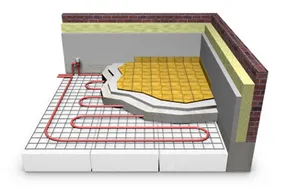
Understanding Radiant Floor Heating
Radiant flooring systems represent a true innovation in domestic heating, achieved through conduction, radiation, and convection. When it comes to installing floor heating, there are two primary options: electrical resistances or fluid-based systems. Both can be used as the primary heating system for an entire apartment. However, electrical systems should only be used for heating, while fluid-based systems must be used for both heating and cooling.
Installation Options
Both electric resistances and fluid-based systems can be installed in a variety of locations, including:
- Soleum in cemented concrete
- Directly under the floor or beneath a wooden subfloor
To ensure efficient installation, consider factors such as accessibility, insulation, and potential pipe damage.
How Radiant Flooring Works
Radiant flooring heating relies on heat transfer via convection. A heated mass, typically located in the floor’s base plate, warms air through infrared radiation. This warmth is distributed upward by a circulation of air, creating an ascending current that pulls warm air toward the ceiling and a descending current that pushes cold air down.
The Science Behind Radiant Heating
To generate this airflow, two distinct zones must be created: one for the heated floor and another for the cooled ceiling. When the heated floor is activated, it creates a temperature difference between the two zones. This discrepancy triggers an upward-moving stream of warm air and a downward-moving stream of cool air.
Initial Energy Consumption
Initially, there’s more cold air than warm air in the system. As a result, heat exchange occurs rapidly, requiring more energy consumption. Over time, however, the heated floor gradually warms up the surrounding air, reducing energy demands as the airflow becomes more balanced.
Balancing Efficiency and Energy Savings
The key to maintaining optimal efficiency is striking a balance between heating and cooling zones. By adjusting the temperature difference between these two zones, the system can optimize its performance while minimizing energy expenditure.
Benefits of Radiant Flooring Systems
Radiant flooring offers several benefits over traditional systems:
- Uniform Heat Distribution: Unlike conventional systems, which concentrate heat around source areas, radiant flooring spreads warmth evenly throughout the space.
- Adaptability: These systems can be tailored to suit various architectural styles and preferences.
- Adjustable Temperature Control: Radiant flooring allows for precise temperature management, whether increasing or decreasing heat levels.
Additional Benefits
Some potential advantages of radiant flooring include:
- Enhancing the aesthetic appeal of a space
- Reducing humidity levels in certain areas
- Improving air quality by promoting natural convection
Radiant flooring is an attractive alternative to traditional heating systems. By understanding how these systems work, you can make informed decisions about their installation and maintenance.
Frequently Asked Questions
Q: What are the primary components of a radiant flooring system?
A: The key elements include electrical resistances or fluid-based systems, along with associated pipes, wiring, and controls for temperature management.
Q: Can I use the same heating and cooling setup for my entire apartment?
A: No. To function effectively, radiant flooring requires distinct zones for heating and cooling.
Q: How do I ensure efficient installation of a radiant flooring system?
A: Carefully assess accessibility, insulation, and potential pipe damage before starting your project.
Q: What are some common challenges associated with installing radiant flooring systems?
A: Potential issues include improper insulation, damaged pipes, or uneven heating/cooling zones.
Q: Are there any environmental benefits to using a radiant flooring system?
A: Yes. By promoting natural convection and reducing energy consumption, these systems contribute to more sustainable living spaces.
Q: What are some popular types of radiant flooring materials used today?
A: Options include concrete-based slabs, hydronic pipes, and advanced ceramic-based systems for maximum efficiency.
Q: Can I install a radiant flooring system myself or should I hire a professional?
A: While it’s possible to do some parts yourself, certain aspects require specialized expertise. Consider hiring a professional if you’re unsure about any aspect of the installation process.
Q: What are the typical costs associated with installing a radiant flooring system?
A: Installation prices vary based on materials and location, but generally range from $10 to $30 per square foot.
Q: Are there any maintenance requirements for radiant flooring systems?
A: Regular cleaning and occasional pipe checks are essential for maintaining optimal performance.


