
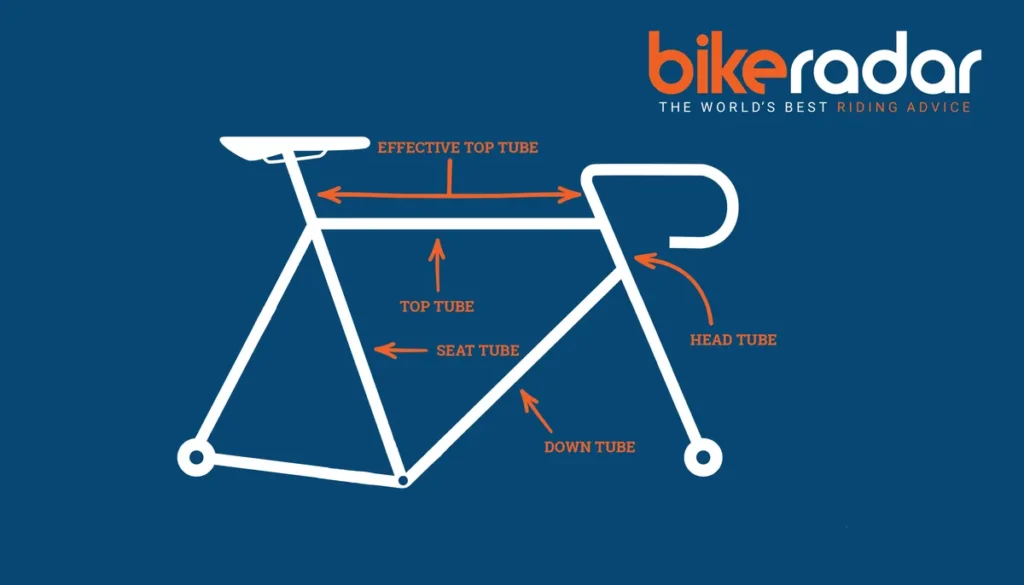
When it comes to choosing a road bike, selecting the right frame size is crucial for optimal performance, comfort, and safety. In this article, we’ll delve into the world of bike frames and sizes, exploring the differences between standard and custom-made frames, and providing practical tips for making an informed decision.
Standard vs Custom-Made Bike Frames
Bike frames come in two main types: standard and custom-made. Standard frames are mass-produced to fit a specific size range, while custom-made frames are tailored to individual riders’ measurements. While standard frames offer convenience and affordability, custom-made frames provide unparalleled fit and performance.
Custom-made bike frames are created using advanced technology that measures the rider’s body dimensions, including height, weight, arm length, and torso shape. This precise measurement data is then used to design a frame that complements the rider’s physical attributes, ensuring optimal comfort, efficiency, and handling.
Key Considerations for Road Bike Frame Sizing
When choosing a road bike frame size, consider the following factors:
- Height: Your height affects your comfort level in the saddle. Taller riders require longer frames to maintain proper posture.
- Weight: Heavier riders benefit from larger frames, which provide additional stability and support.
- Arm Length: Riders with shorter arms prefer smaller frames to reduce strain on their shoulders and neck.
- Torso Shape: Riders with a more compact torso benefit from smaller frames, while those with longer torsos require larger frames.
Standard Frame Sizes: A Guide
Standard frame sizes are available in various categories, including:
- XS: Suitable for riders under 5’2″ (157 cm)
- S: Ideal for riders between 5’2″ and 5’6″ (157-168 cm)
- M: Recommended for riders between 5’6″ and 5’10” (168-178 cm)
- L: Suitable for riders between 5’10” and 6’0″ (178-183 cm)
- XL: Ideal for riders over 6’0″ (183 cm)
How to Take Your Measurements
To determine your ideal frame size, follow these steps:
- Measure your height using a tape measure or a ruler.
- Stand with your feet shoulder-width apart and measure the distance between the top of your head and the floor.
- Measure the length of your arms from the center of your back to the tip of your fingers.
- Take note of your torso shape, considering your shoulder width, chest circumference, and hip size.
Using Your Measurements to Choose a Frame Size
Once you have taken your measurements, use them to select a frame size that suits your needs. Consider consulting with a professional bike fitter or a knowledgeable salesperson to ensure the best possible fit.
Tips for Ensuring a Proper Fit
To guarantee a comfortable and efficient ride:
- Test Ride: Always test ride a new bike before purchasing.
- Adjustments: Make adjustments to the saddle, handlebars, and brakes during the testing process.
- Comfort: Prioritize comfort over performance. A well-fitting bike is more important than speed.
Common Mistakes to Avoid
When selecting a road bike frame size, be aware of these common mistakes:
- Incorrect Measurements: Double-check your measurements to ensure accuracy.
- Inadequate Testing: Test ride the bike to assess its comfort and performance.
- Ignoring Personal Preferences: Prioritize your personal preferences over technical specifications.
Advantages of Custom-Made Bike Frames
Custom-made bike frames offer several advantages:
- Improved Comfort: A well-fitting frame ensures optimal comfort and reduced fatigue.
- Increased Performance: A custom-made frame can improve a rider’s performance by reducing resistance and increasing efficiency.
- Unique Design: Custom-made frames allow for unique designs that cater to individual riders’ preferences.
Conclusion
Choosing the right road bike frame size requires careful consideration of your body dimensions, riding style, and preferences. By understanding the differences between standard and custom-made frames, you can select a bike that provides optimal performance, comfort, and safety. Always prioritize comfort over speed and consider consulting with a professional bike fitter or knowledgeable salesperson to ensure the best possible fit.
Additional Tips for Road Bike Frame Sizing
In addition to considering the factors mentioned above, here are some additional tips for road bike frame sizing:
- Consider Your Riding Style: If you’re an aggressive rider, you may prefer a larger frame size for added stability and control.
- Think About Your Terrain: If you’ll be riding on hilly terrain, a custom-made frame can help improve your performance by reducing strain on your body.
- Don’t Forget About Accessories: Consider the size of any accessories you plan to use with your bike, such as pedals or handlebars.
By following these tips and considering the factors mentioned above, you’ll be well on your way to selecting a road bike frame size that suits your needs. Remember to prioritize comfort over speed and don’t hesitate to seek professional advice if needed.


