
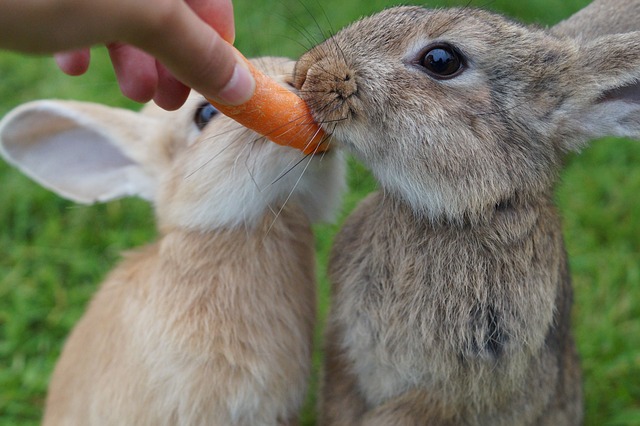
When it comes to thinking about rabbits, most people immediately think about carrots. While carrots are a great snack for rabbits, they don’t make up the majority of their diet. In fact, just like humans, rabbits have different nutritional needs at various stages of their lives. So, what do rabbits really eat?
Understanding Rabbit Nutrition
Feeding your rabbit an appropriate diet is crucial to ensure its overall health and well-being. An unbalanced diet can lead to a range of health problems, from digestive issues to reproductive problems. By providing your rabbit with a balanced and varied diet, you can help prevent these issues and promote optimal health.
A Balanced Diet is Essential
Feeding your rabbit a balanced diet is essential to ensure its overall health and well-being. A balanced diet should include a variety of foods that provide the necessary nutrients for growth, maintenance, and reproduction. The specific nutritional needs of your rabbit will depend on its age, sex, and lifestyle.
The Importance of Variety
Just like humans, rabbits need a diverse diet to ensure they get all the nutrients their bodies need. A rabbit’s diet should include a mix of fiber-rich foods, protein sources, and fresh vegetables. This variety will help prevent nutritional deficiencies and ensure your rabbit stays healthy and happy.
What do Rabbits Eat?
A balanced diet for rabbits should include the following components:
- Pellets: These are the most common type of food for rabbits and typically contain 17-18% protein and 14-18% fiber. Pellets provide essential nutrients like vitamins, minerals, and antioxidants.
- Fresh Vegetables: A variety of fresh vegetables can be given to rabbits, including leafy greens like kale and spinach, as well as root vegetables like carrots and sweet potatoes. These foods provide important vitamins, minerals, and fiber.
- Hay: Timothy hay is a staple in many rabbit diets and provides essential fiber. Hay helps keep your rabbit’s teeth trimmed and promotes healthy digestion.
The Role of Fennel
Fennel is an often-overlooked ingredient that plays a significant role in rabbit nutrition. It’s high in fiber and low in calories, making it an excellent addition to your rabbit’s diet. However, it should be given in moderation due to its potential to cause digestive issues.
The Benefits of Free-Range Rabbits
Rabbits that have access to the outdoors can benefit from eating a more natural diet. This includes hay, grass, and other forage foods. Free-range rabbits are able to engage in natural behaviors like grazing and foraging, which can help promote overall health and well-being.
The Role of Fresh Herbs
Fresh herbs like parsley, mint, and basil can add flavor and variety to your rabbit’s diet. These herbs are safe for consumption and can be given in moderation as treats. However, they should not make up a significant portion of your rabbit’s diet.
The Importance of Limiting Treats
While it’s tempting to give your rabbit all sorts of treats, this can lead to an imbalanced diet. Rabbits should be limited to a few healthy treats per week to avoid overloading their digestive system. Choose treats that are nutrient-rich and low in sugar and salt.
Conclusion: A Balanced Diet for Happy Rabbits
Feeding your rabbit the right food is crucial for its overall health and well-being. By providing a balanced and varied diet, you can help prevent health problems and promote optimal health. Whether you choose to give your rabbit pellets, fresh vegetables, or hay, make sure they have access to plenty of fresh water and a safe living environment.
Frequently Asked Questions
- What is the best food for my rabbit?
- The best food for your rabbit will depend on its age, sex, and lifestyle. A balanced diet that includes pellets, fresh vegetables, and hay should be provided.
- Can I feed my rabbit carrots as a main source of nutrition?
- While carrots are a nutritious snack for rabbits, they don’t make up the majority of their diet. A balanced diet should include a variety of foods to ensure your rabbit gets all the nutrients it needs.
- How often can I give my rabbit treats?
- Rabbits should be limited to a few healthy treats per week to avoid overloading their digestive system.
- What is the best way to provide fresh water for my rabbit?
- Fresh water should always be available to your rabbit. A clean, heavy dish or bowl with plenty of fresh water should be used daily.
- Can I keep my rabbit indoors without providing outdoor access?
- Rabbits that have access to the outdoors can benefit from eating a more natural diet. However, rabbits kept indoors may require a different approach to nutrition and regular exercise is necessary for maintaining good health.
Additional Tips
- Provide fresh water daily to prevent dehydration.
- Clean your rabbit’s food dish daily to prevent bacterial growth.
- Limit your rabbit’s exposure to stressors like loud noises or other pets.
- Provide plenty of hiding places and toys to keep your rabbit entertained and stimulated.
By following these tips, you can help ensure that your rabbit stays healthy and happy. Remember to always consult with a veterinarian if you have any concerns about your rabbit’s diet or health.


