
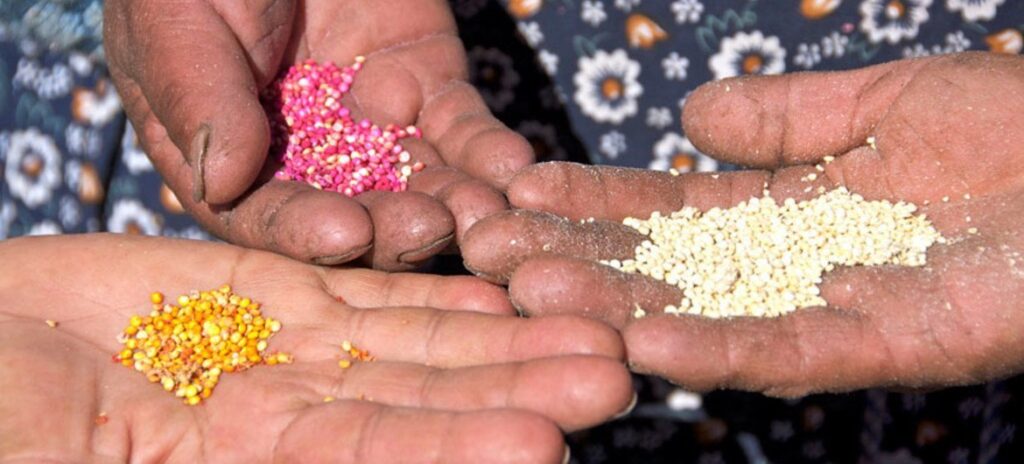
Quinoa, the ancient crop from South America, has been gaining popularity worldwide for its impressive nutritional profile and adaptability to challenging environments. But why is quinoa suddenly making headlines as a “superfood” of the future? Let’s dive into its fascinating history, nutritional benefits, and what makes it an attractive option for sustainable agriculture.
What is Quinoa?
Quinoa (Chenopodium quinoa) is not actually a cereal, but rather a pseudo-cereal, belonging to the same family as spinach and beets. Its seeds are harvested from the plant’s apical spikes, while its leaves and stems are used as edible greens. This versatility has made quinoa a valuable resource for farmers in Peru and Bolivia.
A Perfect Storm: Quinoa’s Rise to Prominence
In 2013, the United Nations declared this year “The Year of Quinoa,” citing its potential to become a staple crop globally. Several factors contribute to quinoa’s growing popularity:
- Nutritional Powerhouse: Quinoa is an excellent source of protein (10-18% more than other cereals), calcium (more than milk!), and iron, making it a great option for those looking to reduce their meat consumption.
- Climate Resilience: Quinoa can thrive in challenging environments with low water requirements, making it an attractive crop for farmers in areas with limited resources.
- Sustainable Agriculture: Quinoa’s adaptability and drought tolerance reduce the need for pesticides and fertilizers, promoting eco-friendly farming practices.
Quinoa: A Food for All
Historically, quinoa was a staple food for Andean communities, who revered it as “grano madre” (mother grain). However, with colonization, European crops took center stage, relegating quinoa to the status of a “food for the poor.” Now, quinoa is poised to reclaim its rightful place on our plates.
From Humble Beginnings to Global Superstar
Quinoa’s journey from obscurity to mainstream recognition is a testament to the power of food as a driver of change. As we continue to grapple with climate change, sustainability, and nutritional challenges, quinoa stands as a beacon of hope for a healthier, more equitable future.
What Does the Future Hold for Quinoa?
As demand for sustainable, nutrient-dense foods continues to grow, quinoa’s potential is undeniable. Will it become a staple crop globally, replacing traditional grains like wheat and rice? Only time will tell, but one thing is certain – quinoa’s impact on our plates and planet will be profound.
History of Quinoa
Quinoa has been cultivated for over 3,000 years in the Andean region, with evidence suggesting its use dates back to around 1500 BCE. Initially grown as a food source, quinoa was also used medicinally and spiritually. The Spanish conquest led to a decline in quinoa cultivation, replaced by European crops like wheat.
The Importance of Quinoa for Sustainable Agriculture
Quinoa’s adaptability to challenging environments makes it an attractive crop for farmers facing water scarcity and soil degradation. Its ability to thrive with minimal irrigation and fertilizers reduces the environmental impact of agriculture, promoting sustainable farming practices.
How is Quinoa Processed?
From harvesting to processing, quinoa undergoes several stages:
- Harvesting: The apical spikes containing quinoa seeds are cut off by hand or using mechanical harvesters.
- Cleaning and Sorting: Seeds are cleaned and sorted according to size and quality.
- Grinding: Quinoa is ground into flour for various applications, such as baking, brewing, and nutritional supplements.
Quinoa: A Nutritional Powerhouse
Quinoa’s impressive nutritional profile has made it a popular choice among health-conscious consumers:
- High in Protein: Quinoa contains more protein than many other grains, making it an excellent option for vegetarians and vegans.
- Rich in Calcium and Iron: Quinoa is an excellent source of these essential minerals, supporting strong bones and healthy red blood cells.
- Gluten-Free: Quinoa is naturally gluten-free, making it suitable for individuals with gluten intolerance or celiac disease.
The Rise of Quinoa-Based Products
As demand for quinoa continues to grow, various products have emerged:
- Quinoa Flour: Ground from quinoa seeds, this flour can be used in baking, brewing, and nutritional supplements.
- Quinoa Protein Powder: Concentrated quinoa protein is used as a dietary supplement or ingredient in food products.
- Quinoa-based Snacks: Quinoa is often combined with other ingredients to create healthy snack options.
Challenges Facing the Quinoa Industry
Despite its potential, the quinoa industry faces several challenges:
- Water Scarcity: Quinoa requires significant water resources for cultivation, posing a challenge in areas with limited water availability.
- Pests and Diseases: Quinoa is susceptible to pests and diseases, requiring effective management practices.
- Price Volatility: Quinoa prices can fluctuate significantly due to factors like climate change, droughts, and market demand.
Conclusion
Quinoa’s rise as a “superfood” of the future is more than just a trend – it represents a movement towards sustainable agriculture, nutritional awareness, and environmental stewardship. As we continue to explore quinoa’s potential, one thing is certain: its impact on our plates and planet will be profound.
Frequently Asked Questions
- What are the benefits of consuming quinoa?
- High in protein, calcium, and iron
- Rich in fiber and antioxidants
- Gluten-free and suitable for those with gluten intolerance
- Can quinoa be grown anywhere?
- Quinoa is adapted to high altitudes and can thrive in challenging environments
- Requires low water consumption and minimal pesticides
- Is quinoa a sustainable food choice?
- Quinoa’s adaptability reduces the need for fertilizers and pesticides
- Promotes eco-friendly farming practices and supports local economies


