
Introduction
The aviation industry is often criticized for its environmental impact. However, the UK seems to be bucking this trend. With its low-impact airports and a special flight that will use plastic waste-derived fuel, it’s time to rethink our assumptions about air travel. In this article, we’ll explore the innovative approach being taken by the aviation industry and how it might just change the way we think about sustainable air travel.
The Problem of Plastic Waste
Plastic waste is a growing concern worldwide. Every year, millions of tons of plastic end up in landfills and oceans, causing irreparable harm to our planet. The UK is no exception, with 15 million tons of plastic waste generated annually. However, what if we could turn this problem into an opportunity?
Meet Jeremy Roesell and the “Pirolisi” Process
Jeremy Roesell, a British adventurer, will be flying from Sydney to London on a special flight that will use fuel derived from plastic waste. This innovative approach is made possible by the “pirolisi” process, which involves heating plastic waste in the absence of oxygen to produce a synthetic oil-like substance.
The Science Behind Pirolisi
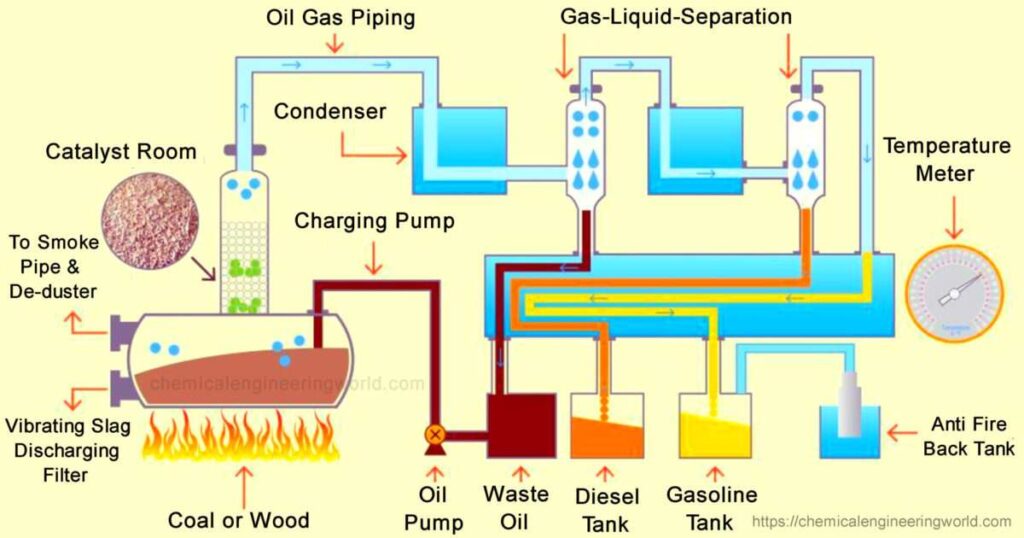
Pirolisi is a chemical process that converts plastic waste into a usable fuel source. The process involves heating plastic in a reactor, without oxygen, to break down the polymer chains and release a distillate similar to petroleum. This distillate can be further refined into various fuels, including diesel and jet fuel.
Cyna Plc and the Future of Sustainable Aviation
The company behind this innovative technology is Cyna Plc, an Irish firm that has developed a proprietary process for producing sustainable aviation fuel from plastic waste. According to Cyna Plc, their technology produces a high-quality fuel that is comparable to conventional diesel but with lower greenhouse gas emissions.
A Step Towards Sustainability
While there are still many challenges to overcome, this innovative approach offers a promising solution for reducing our reliance on fossil fuels and mitigating climate change. By harnessing the power of plastic waste, we can create a more sustainable aviation industry that benefits both the environment and the economy.
The Numbers Don’t Lie
• 26 million tons of plastic waste are discarded in US landfills each year.
• 15 million tons of plastic waste are generated annually in Europe.
• 5 tons of plastic waste were used to produce the fuel for this special flight.
A New Era for Sustainable Aviation
As the aviation industry continues to grow, it’s clear that we need to find innovative solutions to reduce our carbon footprint. By exploring new sources of sustainable fuels, such as those derived from plastic waste, we can create a more environmentally friendly air travel industry.
Conclusion
The future of flight is no longer just about speed and efficiency; it’s also about sustainability. As we look to the skies for answers, innovative approaches like pirolisi offer a promising solution for reducing our reliance on fossil fuels. By embracing this technology, we can create a more sustainable aviation industry that benefits both people and the planet.
Benefits of Sustainable Aviation Fuel
Sustainable aviation fuel is not only a game-changer for the environment but also offers numerous economic benefits. Some of the key advantages include:
- Reduced greenhouse gas emissions: By using fuels derived from plastic waste, we can significantly reduce our carbon footprint and contribute to mitigating climate change.
- Improved air quality: Sustainable aviation fuel produces fewer pollutants and particulate matter, leading to cleaner skies and healthier communities.
- Increased efficiency: Renewable energy sources used to produce sustainable aviation fuel often come with lower production costs, making it more competitive with traditional fuels.
- Supports the circular economy: By utilizing waste plastic as a feedstock for sustainable aviation fuel, we can close the loop on waste management and promote a more circular economy.
Challenges Ahead
While sustainable aviation fuel offers numerous benefits, there are still several challenges to overcome before it becomes widely adopted:
- Scalability: Currently, the production of sustainable aviation fuel is limited by the availability of feedstock materials and energy resources.
- Cost: While the cost of producing sustainable aviation fuel is decreasing, it remains higher than traditional fuels, making it less competitive in the market.
- Infrastructure: The existing infrastructure for sustainable aviation fuel production and distribution needs to be developed to support widespread adoption.
- Regulatory frameworks: Governments and regulatory bodies need to create supportive policies and standards for sustainable aviation fuel, ensuring its safe use and compliance with environmental regulations.
Innovative Approaches to Sustainable Aviation
As the demand for sustainable aviation fuels grows, innovative approaches are being explored to overcome the challenges ahead:
- Waste-to-fuel technologies: Companies are developing new waste-to-fuel technologies that can convert non-recyclable plastics into usable fuels.
- Advanced biofuels: Researchers are working on producing advanced biofuels from algae, agricultural waste, and other renewable biomass sources.
- Synthetic biology: Scientists are using synthetic biology to engineer microorganisms that can produce sustainable aviation fuels from plant biomass or other feedstocks.
Conclusion
The future of flight is no longer just about speed and efficiency; it’s also about sustainability. By harnessing the power of plastic waste, we can create a more sustainable aviation industry that benefits both people and the planet. As the demand for sustainable aviation fuels grows, innovative approaches are being explored to overcome the challenges ahead.
FAQs
- What is pirolisi?
Pirolisi is a chemical process that converts plastic waste into a usable fuel source. - How does it work?
The process involves heating plastic in a reactor, without oxygen, to break down polymer chains and release a distillate similar to petroleum. - Is the fuel produced by pirolisi comparable to conventional diesel?
According to Cyna Plc, their technology produces a high-quality fuel that is comparable to conventional diesel but with lower greenhouse gas emissions. - How much plastic waste was used to produce the fuel for this special flight?
5 tons of plastic waste were used to produce the fuel for this special flight. - What is the significance of this project?
This project marks a significant step towards sustainable aviation and demonstrates the potential for innovative technologies to reduce our reliance on fossil fuels. - Can pirolisi be used in other applications besides air travel?
Yes, the technology behind pirolisi can be applied to various industries, including transportation and energy production. - What are the future plans for this technology?
Cyna Plc plans to continue developing and scaling up their technology to meet growing demand for sustainable aviation fuels. - How can individuals contribute to a more sustainable aviation industry?
Individuals can support companies that adopt sustainable technologies, advocate for policy changes, and reduce their own carbon footprint by choosing eco-friendly transportation options.
Conclusion
In conclusion, the future of flight is no longer just about speed and efficiency; it’s also about sustainability. By harnessing the power of plastic waste, we can create a more sustainable aviation industry that benefits both people and the planet. As we look to the skies for answers, innovative approaches like pirolisi offer a promising solution for reducing our reliance on fossil fuels.


