
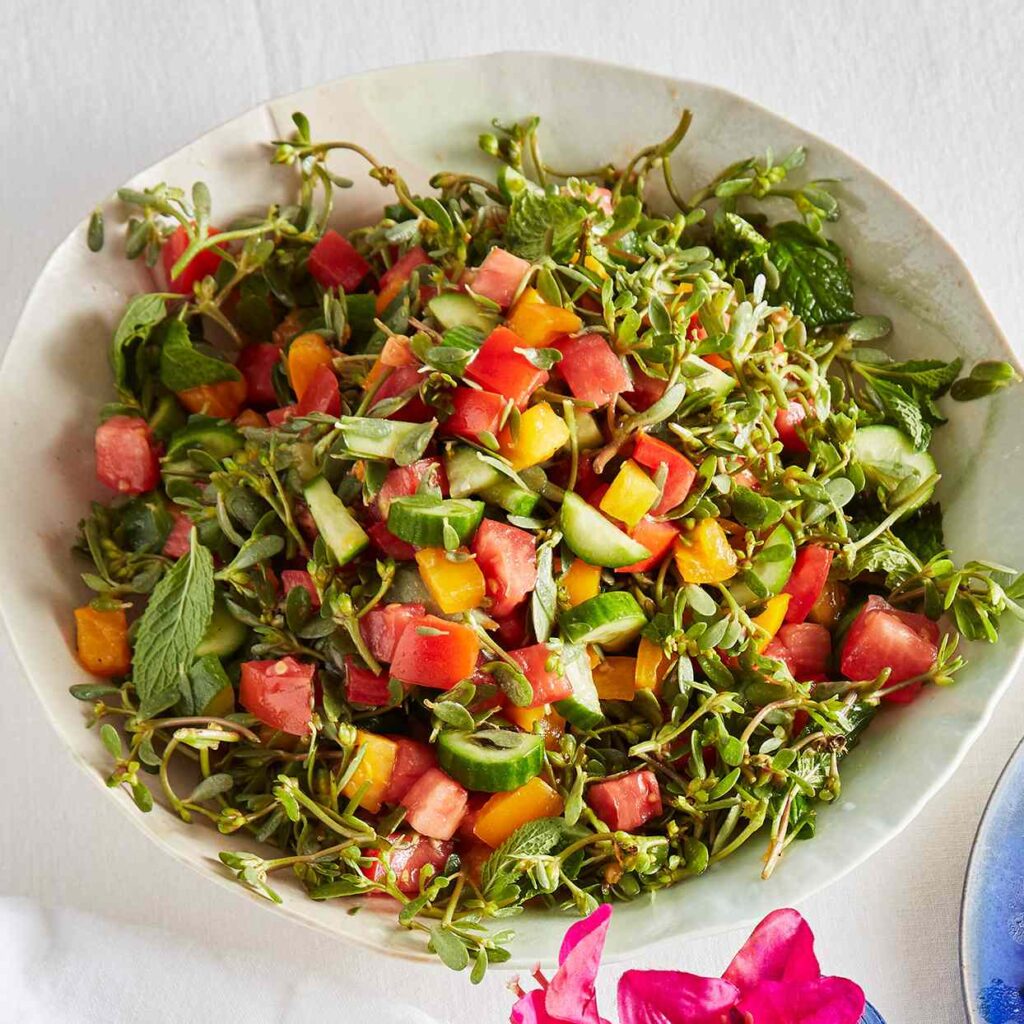
As the seasons change, and summer arrives with its warmth and vitality, we often find ourselves drawn to fresh ingredients that evoke the essence of the season. One such ingredient is the portulaca, a versatile plant that has been prized for its beauty, nutritional value, and culinary uses for centuries. In this article, we’ll delve into the world of portulaca, exploring its history, nutritional properties, and most importantly, its potential as a delicious addition to your summer recipes.
A Brief History of Portulaca
Once considered a mere weed, portulaca has undergone a remarkable transformation in recent years. Its nutrient-rich properties have been recognized, and it is now appreciated for its culinary and medicinal uses. This plant’s versatility has led to its integration into various cuisines, including Mediterranean, Asian, and Latin American cooking.
Portulaca has been used in traditional medicine for centuries, particularly in Asia, where it was valued for its anti-inflammatory properties. In the United States, portulaca was once considered a weed by farmers, but in recent years, its nutritional benefits have made it an attractive ingredient in modern cuisine.
The Beauty of Portulaca
Beyond its nutritional benefits, portulaca is renowned for its beauty. Its delicate petals and vibrant colors make it a popular choice for adding an extra touch of elegance to summer dishes. A single flower can elevate a simple salad or pasta dish, making it a sought-after ingredient in many restaurants and home kitchens.
Portulaca’s ornamental value has also made it a popular choice for gardeners and floral enthusiasts. Its ability to thrive in poor soil and tolerate drought makes it an ideal choice for adding color to summer gardens without requiring extensive care.
Portulaca Recipes
So, how can you incorporate portulaca into your cooking? The answer lies in its incredible versatility. Portulaca can be used in a variety of dishes, from soups to salads, pasta sauces, and even desserts. One of our favorite recipes is for bruschetta with a vellutata made from portulaca.
Bruschette con Vellutata di Portulaca
To make this simple yet delicious appetizer, you’ll need the following ingredients:
- 200 grams of fresh portulaca leaves
- 4 anchovy fillets
- 1 tablespoon olive oil
- 1 tablespoon white wine vinegar
- 1/4 teaspoon salt
- 1/8 teaspoon red pepper flakes (optional)
Instructions:
- Rinse the portulaca leaves and blanch them in boiling water for a few minutes.
- Remove the anchovy fillets from their skin, discarding the skin.
- In a blender or food processor, combine the blanched portulaca, anchovy fillets, olive oil, vinegar, salt, and red pepper flakes (if using).
- Blend until smooth, adding more liquid as needed to achieve the desired consistency.
Tips and Variations:
- For an added kick, you can add a few tablespoons of lemon juice or zest to your vellutata.
- If you prefer a stronger flavor, increase the amount of anchovy fillets or add some chopped fresh herbs like parsley or basil.
- You can also use portulaca in place of traditional leafy greens in salads or as a topping for soups.
Other Delicious Ways to Use Portulaca
In addition to its use in bruschetta, portulaca can be used in a variety of other dishes, including:
- Portulaca and Spinach Salad: Combine blanched portulaca with fresh spinach, cherry tomatoes, and a homemade vinaigrette for a delicious and healthy salad.
- Portulaca and Feta Stuffed Chicken Breasts: Stuff boneless chicken breasts with a mixture of crumbled feta cheese, chopped portulaca, and lemon zest, then bake until cooked through.
- Portulaca and Avocado Soup: Blend cooked portulaca with diced avocado, chicken broth, and a squeeze of lime juice for a creamy and refreshing soup.
The Nutritional Properties of Portulaca
Portulaca is an excellent source of vitamins A, C, and E, as well as minerals like potassium, iron, and calcium. Its antioxidant properties have been shown to have anti-inflammatory effects, making it an attractive ingredient for those looking to incorporate more nutrients into their diet.
Sowing the Seeds: How to Propagate Portulaca
If you’re interested in growing your own portulaca plant, you can easily propagate it from seeds or cuttings. Online retailers like Amazon offer a wide selection of portulaca seeds and plants, making it easy to get started.
To sow portulaca seeds, simply fill a small pot with well-draining soil, moisten the soil, and sprinkle the seeds on top. Cover the seeds with a thin layer of soil and water gently. Keep the soil consistently moist until germination, which typically occurs within 1-2 weeks.
Growing Portulaca
Portulaca is a low-maintenance plant that can thrive in poor soil and tolerate drought. To grow portulaca, choose a location with full sun to partial shade and well-draining soil. Water the plant regularly, but avoid overwatering, which can lead to root rot.
Harvesting Portulaca
Portulaca is typically ready to harvest when the flowers are in bloom. Simply snip off the flower head with scissors or pinch off individual petals for use in salads or other dishes.
Conclusion:
Portulaca is more than just a pretty face – its unique combination of nutritional properties, versatility, and culinary uses make it an excellent addition to any summer recipe. Whether you’re looking for a new ingredient to elevate your dishes or simply want to explore the world of portulaca, this article has provided you with a solid foundation for getting started.
Frequently Asked Questions:
- What is portulaca?
Portulaca is a versatile plant that can be used in various culinary and medicinal applications. - How do I use portulaca in cooking?
Portulaca can be used in soups, salads, pasta sauces, and even desserts. - Is portulaca safe to eat?
Yes, portulaca is safe to eat and has been recognized for its nutritional properties. - Can I grow my own portulaca plant?
Yes, you can propagate portulaca from seeds or cuttings using online retailers like Amazon. - What are the benefits of consuming portulaca?
Portulaca is rich in vitamins A, C, and E, as well as minerals like potassium, iron, and calcium, making it an excellent addition to a healthy diet. - How do I store portulaca seeds or plants?
Store portulaca seeds in an airtight container at room temperature until you’re ready to sow them. For plants, keep them in a shaded area with moderate temperatures. - Can I use portulaca in desserts?
Yes, portulaca can be used in sweet dishes like salads, smoothies, or as a topping for ice cream or yogurt.
By incorporating portulaca into your cooking repertoire, you’ll not only add some extra flavor and nutrients to your meals but also contribute to the preservation of this beautiful plant’s rich history and versatility.


