
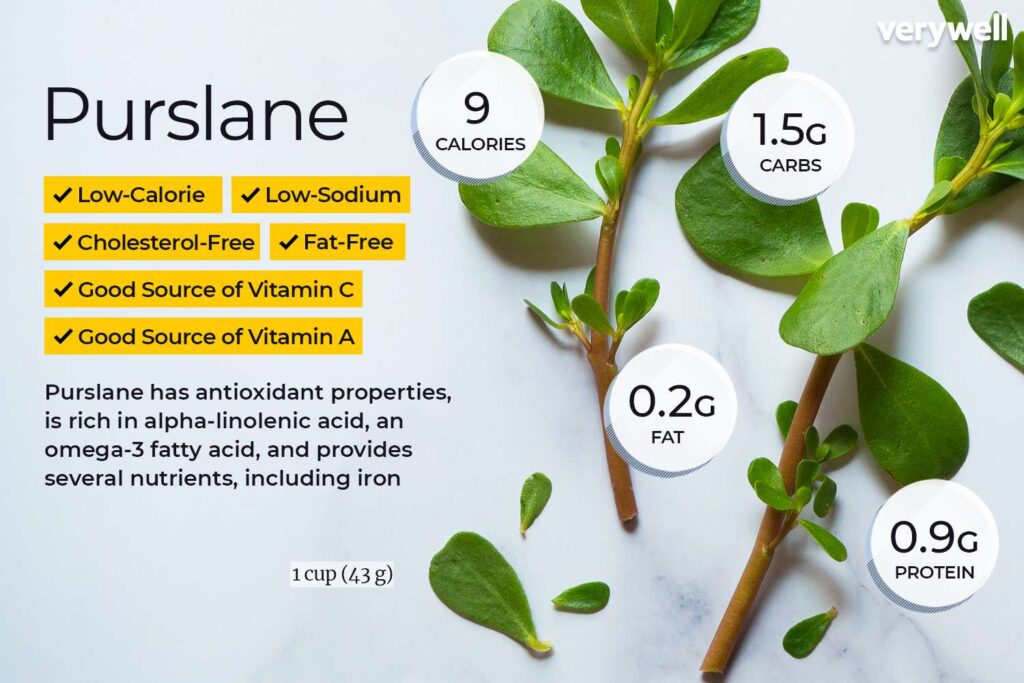
Portulaca, also known as “green pepper,” is a common weed that has been mistakenly believed to be harmful. However, this tiny plant is packed with nutrients and offers numerous health benefits. In this article, we will delve into the properties of portulaca, its uses in cooking and medicine, and explore some delicious recipes that showcase its versatility.
What is Portulaca?
Portulaca is an herbaceous plant that belongs to the Amaranthaceae family. It has a long history of use in traditional medicine, particularly in Asia and Africa. The plant’s leaves, stems, and flowers are all edible and can be consumed raw or cooked. Portulaca is native to tropical regions and is commonly found in gardens, fields, and along roadsides.
Nutritional Benefits of Portulaca
Portulaca is a nutrient-dense food that provides an impressive range of vitamins and minerals. Some of the key nutrients found in portulaca include:
- Omega-3 fatty acids: These essential fatty acids are important for heart health, brain function, and may help reduce inflammation.
- Vitamin C: This vitamin is crucial for immune function, collagen production, and iron absorption.
- Vitamins B1, B2, B3, and B6: These vitamins play a role in energy metabolism, nerve function, and red blood cell formation.
- Provitamina A: This precursor to vitamin A is essential for vision, immune function, and skin health.
- Iron: Iron deficiency is common worldwide, and portulaca’s iron content can help alleviate symptoms.
- Sodium: Portulaca contains sodium, an electrolyte that helps regulate fluid balance and blood pressure.
- Phosphorus: This mineral is crucial for bone health, protein synthesis, and energy production.
- Calcium: Calcium is essential for muscle function, nerve function, and bone health.
- Flavonoids: These antioxidants have anti-inflammatory properties and may help protect against chronic diseases.
These nutrients make portulaca an excellent addition to a healthy diet.
Health Benefits of Portulaca
Portulaca has been shown to have numerous health benefits, including:
- Supporting heart health by reducing cholesterol levels and triglycerides
- Boosting the immune system thanks to its high vitamin C content
- Improving digestion and reducing inflammation in the digestive tract
- Providing antioxidant properties that can help protect against cell damage
- Acting as a natural diuretic, helping to reduce water retention and blood pressure
Using Portulaca in Cooking
Portulaca is a versatile ingredient that can be used in a variety of dishes, from salads and soups to stir-fries and curries. Here are some delicious recipe ideas that showcase portulaca’s flavor and nutritional benefits:
Tagliatelle Verde alla Portulaca
This recipe features fresh tagliatelle pasta made with portulaca, perfect for a light and refreshing summer meal.
Ingredients
- 150g portulaca
- 400g farina
- 3 eggs
- Salt
Instructions
- Boil the portulaca in water until it’s tender.
- Squeeze out excess water and blend with flour, eggs, and salt to form a smooth dough.
- Roll out the dough and cut into tagliatelle shapes.
- Cook the pasta in boiling water until al dente.
- Toss with olive oil, garlic, and parmesan cheese.
Crocchè di Patate e Portulaca
This recipe combines crispy fried crocchette with a creamy portulaca-infused potato filling.
Ingredients
- 500g potatoes
- 1 cup portulaca
- 2 eggs
- 100g parmesan cheese
- Pangrattato
- Salt and pepper to taste
Instructions
- Boil the potatoes until tender.
- Mash with butter, salt, and pepper.
- Add portulaca puree and mix well.
- Shape into crocchette and coat with pangrattato.
- Fry in hot oil until crispy.
Vellutata di Portulaca
This creamy portulaca soup is a comforting and nutritious option for any meal.
Ingredients
- 2 cups portulaca
- 1 onion
- 3 cloves garlic
- 2 cups vegetable broth
- Salt and pepper to taste
Instructions
- Blend cooked portulaca with onion, garlic, and broth.
- Strain and season with salt and pepper.
Tips for Cooking with Portulaca
When using portulaca in cooking, keep the following tips in mind:
- Use fresh portulaca leaves and stems for optimal flavor and nutrition.
- Blanch or boil portulaca to remove bitterness and make it more palatable.
- Mix portulaca with other herbs and spices to create unique flavors.
- Add portulaca to soups and stews towards the end of cooking to preserve its nutrients.
Medicinal Uses of Portulaca
Portulaca has been used in traditional medicine for centuries, particularly in Asia and Africa. The plant’s leaves, stems, and flowers are all used for medicinal purposes, including:
- Treating digestive issues such as constipation and diarrhea
- Relieving inflammation and pain
- Supporting immune function and reducing the risk of illness
- Acting as a natural diuretic to reduce water retention and blood pressure
Conclusion
Portulaca is a nutrient-dense food that offers numerous health benefits and culinary possibilities. From heart-healthy tagliatelle to crispy fried crocchette and creamy vellutata soup, this versatile ingredient can be incorporated into various dishes to create delicious and nutritious meals. Whether you’re looking for a new addition to your diet or a creative way to use up leftover portulaca, we hope these recipes inspire you to unlock the power of this amazing plant.
Frequently Asked Questions
- Q: Is portulaca safe to eat?
A: Yes, portulaca is considered safe to eat and has been consumed for centuries in various cultures. - Q: Can I grow my own portulaca?
A: Yes, portulaca can be grown at home with minimal care and attention. - Q: How do I store portulaca?
A: Store portulaca in a cool, dry place or refrigerate it to preserve its nutritional value. - Q: Can I use portulaca in soups and stews?
A: Yes, portulaca can be used in soups and stews for added nutrition and flavor. - Q: Are there any potential side effects of consuming portulaca?
A: While portulaca is generally safe to eat, excessive consumption may cause digestive issues or allergic reactions.
Portulaca Recipes from Around the World
Here are some traditional recipes from Asia and Africa that feature portulaca as a main ingredient:
- Korean-style stir-fry: Stir-fry portulaca with garlic, ginger, and chili peppers for a spicy and flavorful dish.
- Indian curry: Mix cooked portulaca with coconut milk, turmeric, and cumin powder for a creamy and aromatic curry.
- Thai salad: Combine chopped portulaca with chilies, lime juice, and fish sauce for a tangy and refreshing salad.
By exploring the various uses of portulaca in cooking and medicine, you can unlock its full potential and enjoy the numerous health benefits it has to offer.


