
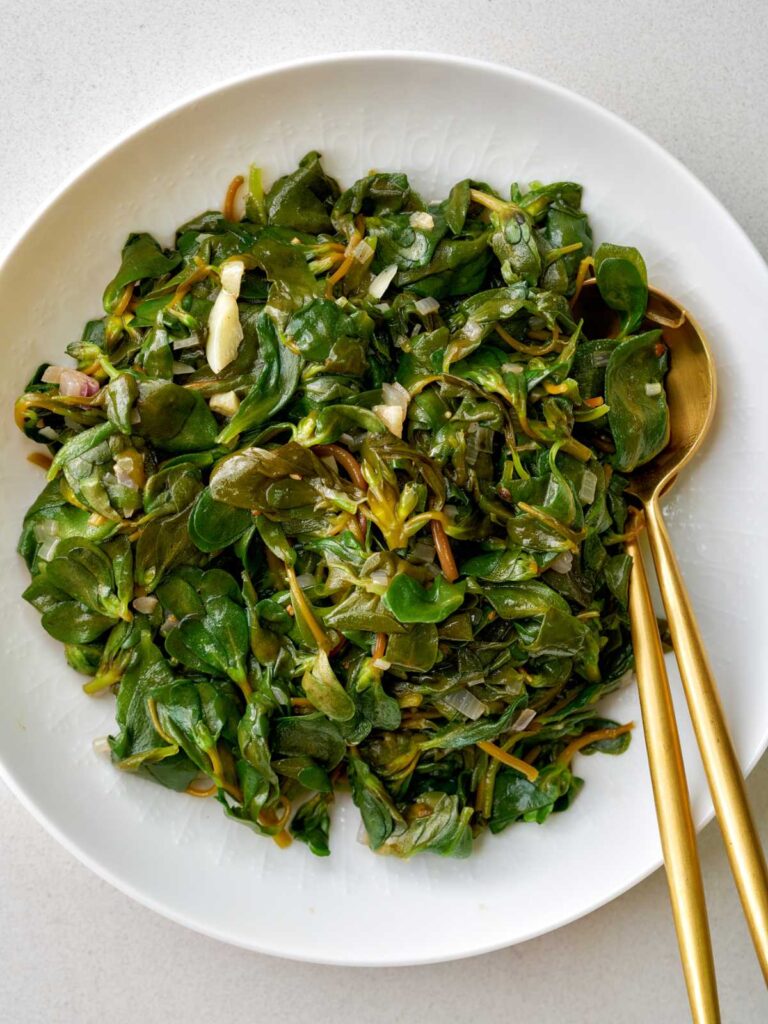
Unlocking the Secrets of Portulaca: A Culinary and Therapeutic Delight
As we explore the world of edible plants, one species stands out for its remarkable versatility and nutritional value: portulaca. This succulent herb has been a staple in many cuisines for centuries, not only as a flavorful ingredient but also for its numerous therapeutic properties. In this article, we’ll delve into the wonderful world of portulaca, exploring its history, benefits, culinary uses, and cultivation tips.
What is Portulaca?
Portulaca is a genus of annual or perennial herbs that belongs to the spinach family. With over 200 species, it’s one of the most diverse groups of plants in the edible plant kingdom. These succulent plants have thick, fleshy leaves and stems that store water, making them drought-tolerant and easy to cultivate.
Properties of Portulaca
Portulaca is a treasure trove of nutrients and bioactive compounds, making it an excellent addition to a healthy diet. Some of its key properties include:
- Mucilages: rich in mucilages, which act as natural emollients and soothe skin irritations
- Proteins: high in protein content, making them an excellent dietary supplement
- Calcium: an excellent source of calcium, essential for bone health
- Iron: packed with iron, vital for healthy red blood cells
- Vitamins A, C, and E: rich in vitamins A, C, and E, which support immune function and skin health
- Saponins: contain saponins, natural compounds that help lower cholesterol levels
- Omega-3 fatty acids: contains an impressive amount of omega-3 fatty acids, essential for heart health
Culinary Uses of Portulaca
Portulaca is a versatile ingredient that can be used in various dishes, from savory to sweet. Some popular culinary uses include:
- Seeds: use the seeds as a nutritious cereal or add them to soups and stews
- Leaves and stems: dry or rehydrate the leaves and stems to make a delicious addition to salads, soups, and stews
- Flour: grind the seeds into flour for baking cakes, bread, and pastries
Portulaca Recipes
Try these two mouth-watering recipes that showcase the culinary delights of portulaca:
- Tortellini alla Portulaca: Combine cooked tortellini with sautéed portulaca, grated Parmesan cheese, and a sprinkle of black pepper for a delicious pasta dish.
- Vellutata di Portulaca: Blend cooked portulaca with vegetable broth to create a creamy sauce that’s perfect for serving over vegetables or as a dip.
Growing Portulaca: A Beginner’s Guide
Growing portulaca is easy and requires minimal care. Here are some tips to get you started:
- Sowing Seeds: Sow seeds directly in the ground after the last frost date, about 1/8 inch deep and 2-3 inches apart.
- Lighting: Portulaca prefers full sun to partial shade, making it an ideal crop for containers or raised beds.
- Watering: Water regularly during hot weather and reduce watering in cooler months.
Conclusion
Portulaca is a culinary and therapeutic treasure that’s waiting to be explored. With its numerous health benefits and versatility in cooking, portulaca is an excellent addition to any diet. Whether you’re a seasoned gardener or just starting out, growing portulaca is easy and rewarding. So why not give it a try?
Frequently Asked Questions
- Q: Is portulaca safe for consumption?
A: Yes, portulaca is considered safe for human consumption when grown organically and cooked properly. - Q: How do I dry portulaca leaves and stems?
A: To dry portulaca, simply air-dry the leaves and stems or use a food dehydrator on low heat. -
Q: Can I grow portulaca in containers?
A: Yes, portulaca can be grown in containers using well-draining potting soil and full sun to partial shade. -
Q: What are some common uses for portulaca leaves and stems?
A: Portulaca leaves and stems can be used in salads, soups, stews, and as a nutritious cereal. -
Q: How do I harvest portulaca seeds?
A: To harvest portulaca seeds, allow the flowers to dry and then remove the seeds from the seed pods. -
Q: Can portulaca be used in beauty treatments?
A: Yes, portulaca can be used as a natural remedy for skin irritations and acne due to its mucilaging properties. -
Q: How do I store cooked portulaca?
A: Cooked portulaca should be stored in the refrigerator within two hours of cooking and consumed within three days. -
Q: Can portulaca be used as a fertilizer plant?
A: Yes, portulaca can be grown as a cover crop to improve soil health and fertility due to its high nutrient content. -
Q: How do I care for portulaca plants?
A: Portulaca plants require minimal care, including watering, fertilization, and pest management. -
Q: Can portulaca be used in animal feed?
A: Yes, portulaca can be used as a nutritious supplement in animal feed due to its high protein content. -
Q: How do I propagate portulaca plants?
A: Portulaca plants can be propagated through seeds or stem cuttings, taking care to handle the delicate roots and stems gently. -
Q: Can portulaca be used in herbal remedies?
A: Yes, portulaca has been traditionally used in herbal medicine for its antiseptic, anti-inflammatory, and antioxidant properties.
Portulaca is a remarkable plant with numerous health benefits and culinary uses. Whether you’re looking to add some new flavor to your meals or seeking a natural remedy for skin irritations, portulaca is an excellent choice. With proper care and handling, growing portulaca can be a rewarding experience that brings you closer to nature and healthier living.
So why not give portulaca a try? Explore its culinary uses, learn about its therapeutic properties, and discover the many benefits of this incredible plant. Your body and taste buds will thank you!


