
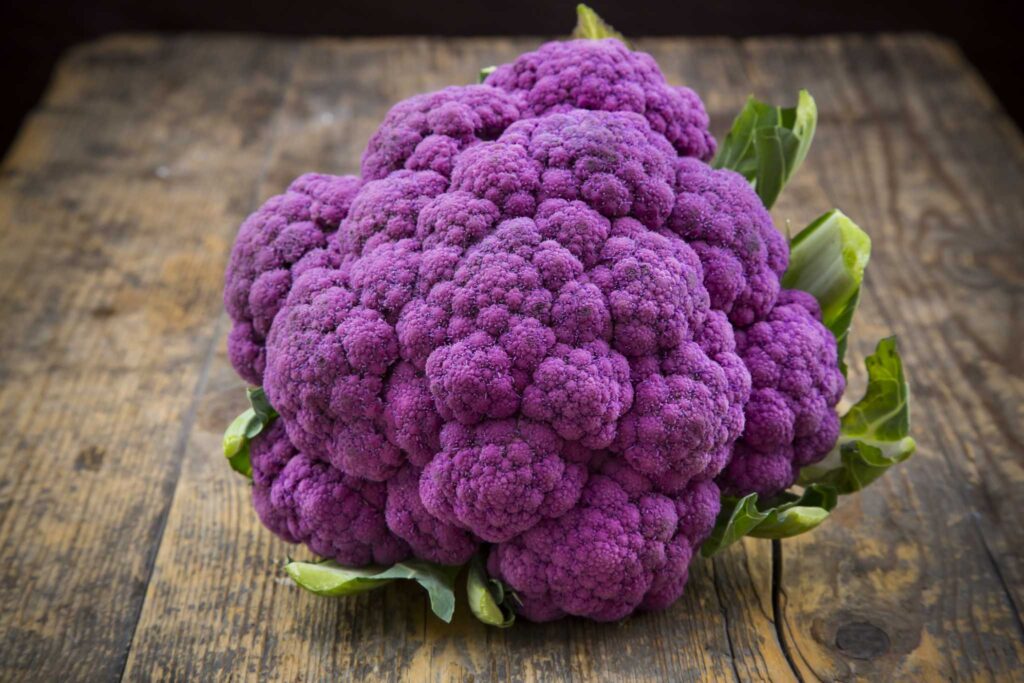
As you gaze at your garden, you notice that your cauliflower has turned a peculiar shade of purple. Rest assured, this change in color is not caused by disease, fungi, or pests! The violet cauliflower’s unique hue is actually a natural result of its genetic makeup.
The Science Behind the Violet Cauliflower’s Color
Cauliflower is a cruciferous vegetable that naturally contains pigments such as anthocyanin, which gives it a blue or purple tint. This pigment is harmless and water-soluble, making it an excellent addition to your diet. When exposed to excessive sunlight, the cauliflower’s petals may develop a subtle violet coloration.
Anthocyanin, the pigment responsible for the violet color of cauliflower, is a type of flavonoid that plays a crucial role in plant defense mechanisms. This pigment is also found in various fruits and vegetables, including blueberries, strawberries, and grapes. The unique combination of anthocyanin, beta-carotene, and chlorophyll in violet cauliflower makes it a superfood with numerous health benefits.
Preventing Violet Cauliflower
If you’re not fond of the cauliflower’s new shade, there are ways to prevent or minimize its appearance. You can purchase cauliflower varieties specifically bred to resist this phenomenon, or plant them during the cooler months of autumn. Covering the cauliflower with leaves while it develops may also help suppress the color change.
Cauliflower is a cool-season crop that thrives in temperatures between 60°F and 70°F (15°C and 21°C). Planting it too early can lead to premature flowering, which can result in the formation of small, immature flowers. On the other hand, planting cauliflower during the cooler months can help prevent this phenomenon.
Sbiancando il Cavolfiore
To achieve a pure white cauliflower, cover the developing head with foliage and keep it out of direct sunlight. While the cauliflower may initially display some coloration around its edges, covering it will prevent further discoloration. To remove any existing coloration, simply leave the foliage in place until the cauliflower is fully developed.
Covering the cauliflower also helps to promote healthy growth by reducing stress caused by excessive sunlight. The resulting white cauliflower is not only visually appealing but also has a milder flavor and softer texture than its violet counterpart.
Can You Eat Violet Cauliflower?
Don’t worry if your cauliflower has already turned purple – it’s still perfectly safe to eat! The flavor and texture may be slightly different from a white cauliflower, but they are both edible. To minimize any color changes during cooking, use a moderate amount of acidic liquid, such as vinegar or lemon juice.
Violet cauliflower is rich in nutrients, including fiber, folate, and vitamin C. It also contains antioxidants that help protect against cell damage and support overall health. The unique combination of anthocyanin, beta-carotene, and chlorophyll in violet cauliflower makes it an excellent addition to a healthy diet.
Varieties of Violet Cauliflower
The vibrant violet cauliflower has become increasingly popular among gourmet chefs, with various varieties available, including green lime, purple, and orange. These colorful cultivars are bred to display their unique hues and can be grown in your own garden using specialized seeds.
Some of the most popular varieties of violet cauliflower include:
- ‘Green Lime’: A unique variety with a bright green color and a tangy, citrusy flavor.
- ‘Purple Cauliflower’: The original variety, characterized by its deep purple hue and mild, slightly sweet taste.
- ‘Orange Cauliflower’: A vibrant orange variety with a subtle sweetness and crunchy texture.
Nutritional Benefits of Violet Cauliflower
Violet cauliflower is a nutrient-rich food that provides an excellent source of fiber, folate, and vitamin C. Just like its white counterpart, it’s part of the Brassica family, which includes broccoli, kale, and other cruciferous vegetables. The unique combination of anthocyanin, beta-carotene, and chlorophyll in violet cauliflower makes it a superfood with numerous health benefits.
Some of the key nutritional benefits of violet cauliflower include:
- High levels of fiber: A medium-sized head of cauliflower contains around 5 grams of dietary fiber.
- Rich source of folate: Folate is essential for healthy cell growth, and violet cauliflower provides over 100% of the recommended daily intake.
- Good source of vitamin C: Vitamin C is a powerful antioxidant that helps protect against cell damage and supports immune function.
Understanding Pigments
The pigments present in food are responsible for their characteristic colors. Anthocyanin, the pigment that gives violet cauliflower its distinctive color, is also found in red wine. Beta-carotene, a precursor to vitamin A, is responsible for the orange hue of carrots. Chlorophyll, the green pigment that makes plants appear green, plays a vital role in photosynthesis.
Understanding the science behind food pigments can help you appreciate the unique characteristics and nutritional benefits of different vegetables and fruits. By incorporating a variety of colorful produce into your diet, you can reap the rewards of their nutritional benefits and vibrant colors.
Benefits of Eating Violet Cauliflower
Eating foods rich in anthocyanin, beta-carotene, and chlorophyll can have numerous health benefits. Anthocyanin has antioxidant properties that help protect against cell damage, while beta-carotene converts to vitamin A in the body, supporting eye health. Chlorophyll acts as a natural detoxifier, helping remove harmful substances from the body.
Some of the key health benefits of eating violet cauliflower include:
- Antioxidant protection: Anthocyanin and other antioxidants present in violet cauliflower help protect against cell damage and oxidative stress.
- Eye health support: Beta-carotene in violet cauliflower supports eye health by converting to vitamin A, which helps maintain healthy vision.
- Detoxification support: Chlorophyll acts as a natural detoxifier, helping remove harmful substances from the body.
Conclusion
The violet cauliflower is not an unusual or genetically modified variety, but rather a naturally occurring one. With its unique color and nutritional benefits, it’s definitely worth trying! Next time you see violet cauliflower at your local market, don’t be afraid to give it a try – you might just discover a new favorite ingredient.
Frequently Asked Questions (FAQs)
- Is violet cauliflower safe to eat?
Yes, violet cauliflower is perfectly safe to consume, both raw and cooked.
2. How do I prevent color changes in violet cauliflower?
Covering the developing head with leaves or purchasing cauliflower varieties specifically bred for resistance can minimize color change.
3. Can I use violet cauliflower as a substitute for white cauliflower?
While both have similar nutritional profiles, they may exhibit different flavors and textures.
4. How do I cook violet cauliflower without affecting its color?
Use moderate amounts of acidic liquid to maintain the cauliflower’s natural color during cooking.
5. What are the health benefits of eating violet cauliflower?
Eating violet cauliflower provides a range of nutrients, including fiber, folate, and vitamin C, as well as antioxidants from anthocyanin.
Growing Violet Cauliflower: Tips and Tricks
If you’re interested in growing your own violet cauliflower, here are some tips and tricks to keep in mind:
- Choose a sunny spot with well-draining soil.
- Plant the seeds 1-2 inches deep and 12-18 inches apart.
- Water regularly, but avoid overwatering, which can lead to root rot.
- Provide support for the plant as it grows, using stakes or a trellis.
By following these tips and tricks, you can successfully grow your own violet cauliflower and enjoy its unique flavor and nutritional benefits.
Storage and Handling
To maintain the color and freshness of your violet cauliflower, follow these storage and handling tips:
- Store in a cool, dark place to prevent degradation and discoloration.
- Keep away from direct sunlight, which can cause the cauliflower to become bitter and lose its color.
- Use within 1-2 weeks for optimal flavor and texture.
By following these guidelines, you can enjoy your violet cauliflower at its best and make the most of its unique characteristics.


