
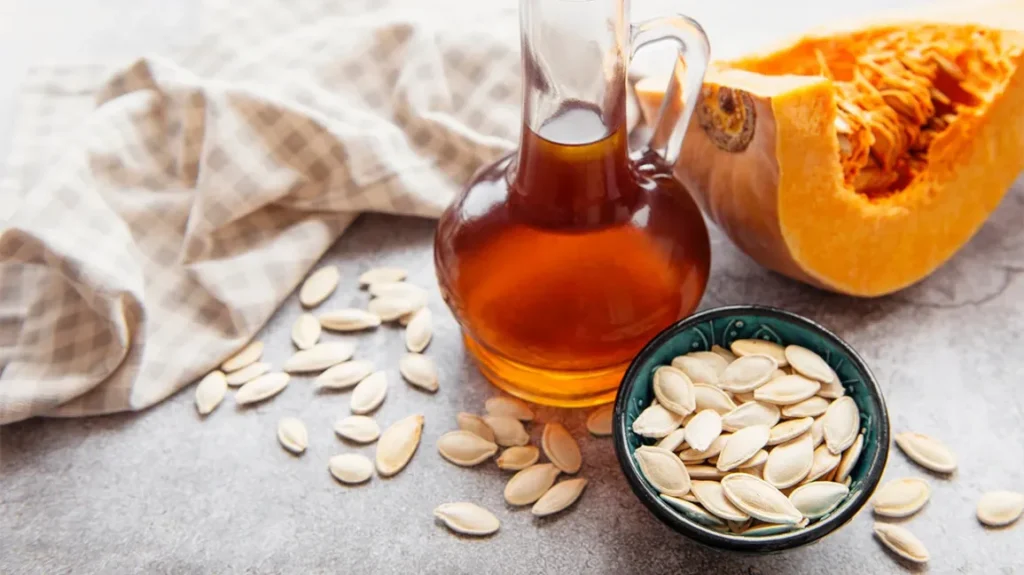
As we explore the world of healthy oils, one key player often flies under the radar: pumpkin seed oil. Native to the warm climates of Europe, Asia, and Africa, this oil has been cherished for centuries for its remarkable nutritional properties and therapeutic benefits. In this article, we’ll delve into the fascinating world of pumpkin seed oil, exploring its production process, nutritional profile, and health benefits.
The Production Process: From Seeds to Oil
Pumpkin seed oil is extracted from the seeds of the Cucurbita maxima plant, also known as the squash or gourd. The seeds are typically harvested when they’re fully mature, then cold-pressed using a hydraulic press to release their nutritional treasures. This labor-intensive process ensures that only the highest-quality oil is produced.
The production process involves several steps:
- Harvesting: Pumpkin seeds are gathered from mature squash plants.
- Sorting and Cleaning: Seeds are cleaned and sorted to remove any debris or impurities.
- Roasting: Seeds may be roasted at a low temperature (around 300°F) for about 30 minutes to enhance their flavor and aroma.
- Cold-Pressing: Seeds are then cold-pressed using a hydraulic press to extract the oil.
A Nutritional Powerhouse: Pumpkin Seed Oil’s Properties
Pumpkin seed oil is an excellent source of essential fatty acids (EFAs), specifically EFAs that are beneficial for heart health and overall well-being. The oil’s composition can vary depending on factors like climate, soil quality, and harvesting methods, but generally, it contains:
- A minimum of 73.1% to 80.5% unsaturated fatty acids
- Lower levels of saturated fats (around 12.8% to 18.7%)
- Rich in vitamin E, with varying amounts ranging from 27.1 to 75.1 mcg per gram of oil
- A moderate amount of gamma-tocopherol (74.9 to 492.8 mcg/g) and delta-tocopherol (35.3 to 1109.7 mcg/g)
These nutrients make pumpkin seed oil a potent addition to any healthy diet.
Unlocking Therapeutic Benefits: Fitoterapia and Beyond
While the nutritional profile of pumpkin seed oil is impressive, its therapeutic properties take center stage in many traditional cultures. The abundant presence of betasterols – compounds similar to androgens and estrogens – gives this oil unique healing capabilities:
- Heart Health: Pumpkin seed oil’s EFAs and sterols help lower cholesterol levels and reduce the risk of heart disease.
- Menopause Symptoms: Its anti-inflammatory properties alleviate hot flashes, night sweats, and mood swings associated with menopause.
- Prostate Health: The betasterols in pumpkin seed oil may even help prevent prostate cancer and improve symptoms related to benign prostatic hyperplasia (BPH).
These benefits are not solely attributed to the oil itself but also to its seeds, which have been used in traditional medicine for centuries.
Culinary Delights: Exploring Pumpkin Seed Oil’s Culinary Potential
While pumpkin seed oil is gaining popularity for its health benefits, it’s also a versatile ingredient in many cuisines:
- Salad Dressings: The nutty flavor of pumpkin seed oil makes it an excellent choice for salad dressings and marinades.
- Grilled Meats: Use it as a finishing oil to add depth and richness to grilled meats, fish, and vegetables.
- Baking: Substitute some of the olive oil in your favorite recipes with pumpkin seed oil for added nutrition.
In addition to its culinary uses, pumpkin seed oil is also used in various applications:
- Skincare: Pumpkin seed oil’s antioxidant properties make it an excellent ingredient in skincare products, helping to protect the skin from damage and promote healthy aging.
- Hair Care: The oil’s nourishing properties can help to moisturize and condition hair, reducing frizz and promoting healthy growth.
- Massage Oil: Pumpkin seed oil’s smooth texture and mild flavor make it an excellent choice for massage oils, providing a relaxing and rejuvenating experience.
In conclusion, pumpkin seed oil is more than just another healthy oil; it’s a multifaceted treasure trove of nutritional and therapeutic benefits. By embracing its rich history, unique composition, and versatile applications, we can unlock its full potential and reap the rewards of this ancient superfood.
Frequently Asked Questions
- Is pumpkin seed oil suitable for cooking?
- Yes, pumpkin seed oil is perfect for sautéing, roasting, or baking due to its high smoke point and nutty flavor.
- How does pumpkin seed oil differ from other healthy oils?
- Pumpkin seed oil stands out with its exceptionally high levels of EFAs and betasterols, setting it apart from other popular oils like olive and coconut oil.
- Can I use pumpkin seed oil as a substitute for olive oil in salad dressings?
- Absolutely; the mild flavor and healthy properties make pumpkin seed oil an excellent choice for vinaigrettes and marinades.
- What are the potential interactions between pumpkin seed oil and medications?
- Pumpkin seed oil may interact with blood thinners, diabetes medications, and hormone therapies due to its estrogen-like compounds.
- Can I consume pumpkin seed oil while pregnant or breastfeeding?
- As a precautionary measure, consult your healthcare provider before consuming pumpkin seed oil during pregnancy or breastfeeding to ensure safe use.
By exploring the incredible world of pumpkin seed oil, we can harness its power and unlock new levels of health and wellness. Whether you’re looking to enhance your diet, promote overall well-being, or simply discover a new favorite ingredient, pumpkin seed oil is definitely worth considering.


