
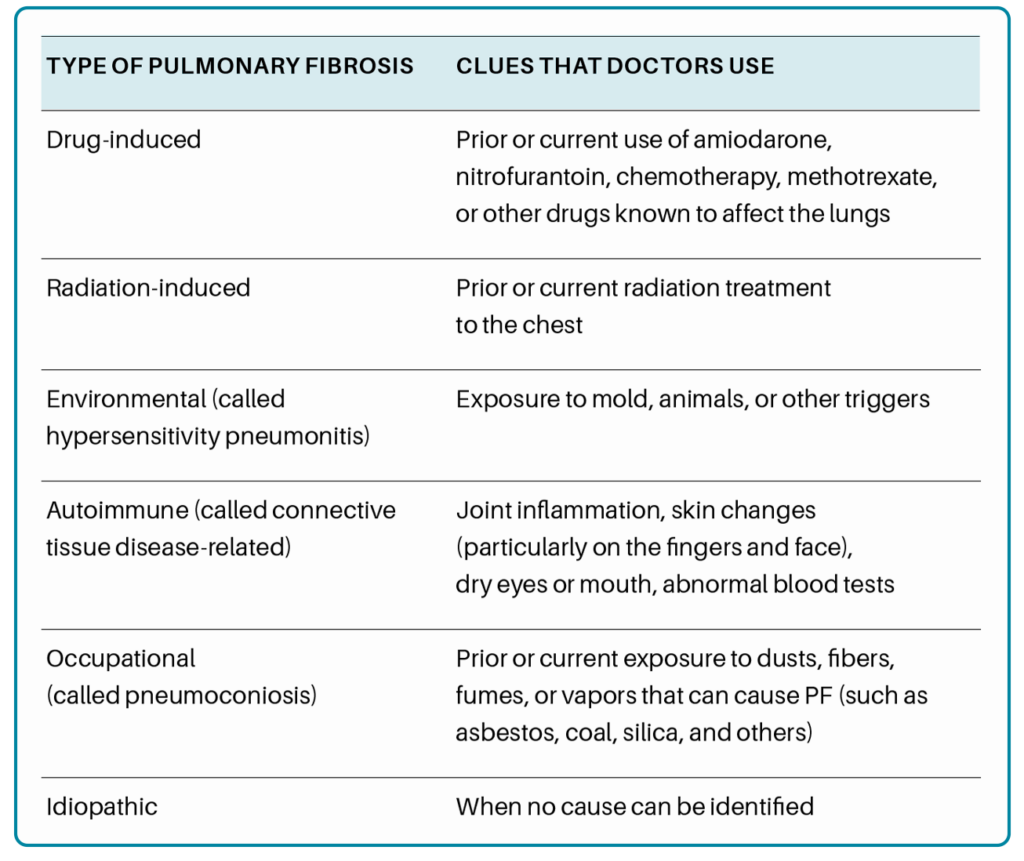
Fibrosis pulmonary is a chronic lung disease that occurs when the lung tissue becomes damaged and scarred. This scarring makes it difficult for the lungs to function properly, leading to shortness of breath. In this article, we will delve into the symptoms, causes, and treatment options available for fibrosis pulmonary.
What is Fibrosis Pulmonary?
Fibrosis pulmonary occurs when the lung tissue becomes damaged due to various factors such as exposure to pollutants, infections, or autoimmune disorders. This damage leads to scarring, which can make it difficult for the lungs to expand and contract properly. As a result, people with fibrosis pulmonary may experience shortness of breath, fatigue, weight loss, and muscle pain.
Symptoms of Fibrosis Pulmonary
The symptoms of fibrosis pulmonary can vary depending on the severity of the condition. Some common symptoms include:
- Shortness of breath (dispnea): This is a hallmark symptom of fibrosis pulmonary. As the lungs become scarred, it becomes harder for them to expand and fill with air, leading to shortness of breath.
- Dry cough: A dry cough can occur due to inflammation in the lungs, which can be caused by scarring or other factors.
- Fatigue: Fibrosis pulmonary can cause fatigue, as the body’s energy resources are diverted to address the damage to the lungs.
- Weight loss: As people with fibrosis pulmonary may experience shortness of breath and fatigue, they may lose weight due to a decrease in appetite or an inability to consume enough nutrients.
- Muscle and joint pain: Fibrosis pulmonary can cause muscle and joint pain due to inflammation and scarring.
Causes of Fibrosis Pulmonary
Fibrosis pulmonary can be caused by various factors, including:
- Exposure to pollutants such as silica dust, asbestos, and chemicals: Prolonged exposure to these substances can damage lung tissue, leading to fibrosis.
- Infections such as pneumonia or tuberculosis: Respiratory infections can cause inflammation in the lungs, which can lead to scarring.
- Autoimmune disorders such as lupus or rheumatoid arthritis: These conditions can cause inflammation and scarring in the lungs.
Radiation Therapy and Fibrosis Pulmonary
Radiation therapy is a common cause of fibrosis pulmonary. When radiation is directed at the lungs, it can damage the delicate tissue and lead to scarring. This scarring can make it difficult for the lungs to function properly.
- Radiation-induced lung injury: Radiation therapy for cancer treatment can cause inflammation in the lungs, leading to fibrosis.
- Radiation pneumonitis: Radiation pneumonitis is a condition that occurs when radiation damages the delicate tissue in the lungs, leading to scarring and inflammation.
Diagnosing Fibrosis Pulmonary
Diagnosing fibrosis pulmonary requires a thorough medical evaluation. The doctor will:
- Review the patient’s medical history: This includes asking about symptoms, medications, allergies, and other relevant health information.
- Conduct a physical examination: A physical examination can help identify signs of respiratory problems such as shortness of breath, wheezing, or coughing.
- Order imaging tests such as X-rays or CT scans: Imaging tests can help visualize the lungs and detect any abnormalities.
- Perform lung function tests to assess breathing capacity: Lung function tests can measure how well a person’s lungs are functioning.
Treatment Options for Fibrosis Pulmonary
While there is no cure for fibrosis pulmonary, various treatment options can help alleviate symptoms and improve quality of life. These include:
- Medications to slow disease progression: Medications such as corticosteroids or immunosuppressants may be used to reduce inflammation and scarring in the lungs.
- Oxygen therapy to increase oxygen levels in the blood: Oxygen therapy involves breathing in pure oxygen, which can help alleviate shortness of breath.
- Physical therapy to improve lung function and breathing capacity: Physical therapy can help strengthen the muscles involved in breathing and improve lung function.
Lifestyle Changes for Managing Fibrosis Pulmonary
In addition to medical treatment, making lifestyle changes can help manage fibrosis pulmonary. These include:
- Quitting smoking: Smoking is a significant contributor to fibrosis pulmonary, as it damages lung tissue and reduces oxygen levels.
- Avoiding exposure to pollutants: Staying away from pollutants such as silica dust, asbestos, and chemicals can help reduce the risk of developing fibrosis pulmonary.
- Staying hydrated by drinking plenty of water: Drinking enough water can help keep mucus thin and make it easier to breathe.
- Getting regular exercise to improve lung function: Regular exercise can help strengthen the muscles involved in breathing and improve lung function.
Conclusion
Fibrosis pulmonary is a chronic condition that requires careful management. By understanding the symptoms, causes, and treatment options available, individuals can take steps to alleviate their symptoms and improve quality of life.
Frequently Asked Questions (FAQs)
Q: What are the most common causes of fibrosis pulmonary?
A: Exposure to pollutants such as silica dust, asbestos, and chemicals is a leading cause of fibrosis pulmonary. Infections such as pneumonia or tuberculosis can also contribute to the development of the condition.
Q: Can fibrosis pulmonary be cured?
A: While there is no cure for fibrosis pulmonary, various treatment options can help alleviate symptoms and improve quality of life.
Q: What are some lifestyle changes that can help manage fibrosis pulmonary?
A: Quitting smoking, avoiding exposure to pollutants, staying hydrated by drinking plenty of water, and getting regular exercise can all help manage the condition.
Q: Can oxygen therapy be used to treat fibrosis pulmonary?
A: Yes, oxygen therapy can help increase oxygen levels in the blood and alleviate symptoms associated with fibrosis pulmonary.
Q: Are there any surgical options available for treating fibrosis pulmonary?
A: In some cases, surgery may be necessary to repair damaged tissue or remove affected areas.
Q: Can physical therapy help improve lung function in individuals with fibrosis pulmonary?
A: Yes, physical therapy can help improve lung function and breathing capacity by increasing strength and endurance.


