
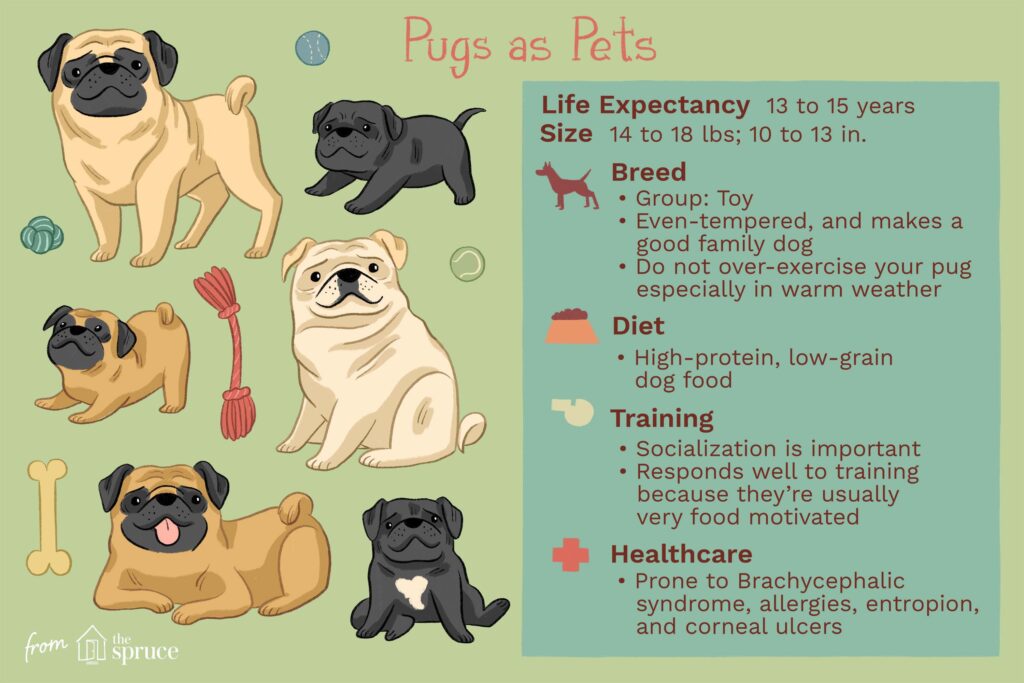
When it comes to dogs, few breeds capture hearts quite like the Pug. With their adorable faces, playful personalities, and unique appearance, it’s no wonder why they’ve become a staple in many households around the world.
The Pug is often described as an “emotional intelligence” animal, meaning that they possess a heightened sense of awareness about social cues and can pick up on subtle changes in behavior. This empathetic nature makes them excellent companions for people with anxiety or stress issues.
The Enigmatic Origins of the Pug
While the exact origin of the Pug remains unclear, one thing is certain: this breed has been charming people for centuries. From royalty to regular pet owners, pugs have managed to win hearts across cultures and continents. Their striking appearance has even been immortalized in literature, cementing their status as a beloved companion animal.
A Brief History of the Pug’s Name
Interestingly, the term “Pug” is not universally recognized. In English-speaking countries, they’re simply known by this name, while Germans refer to them as “Mops,” and the French call them “Carlin.” However, in Italy, a special nod is given to Carlo Bertinazzi, an Italian actor whose distinctive black mask bears a striking resemblance to the breed’s signature facial feature.
Pugs: The Aristocratic Canine of Yesterday
In their heyday, pugs were considered the ultimate symbol of luxury and status. They even had the privilege of accompanying high-society ladies like Maria Antonietta and Joséphine Bonaparte. However, as time passed, their popularity waxed and waned, eventually giving way to newer canine trends.
The Pug’s Resurgence in Popularity
But despite their decline, pugs have experienced a remarkable resurgence in recent years. Celebrities like Avril Lavigne, Jessica Alba, Valentino, and Andy Warhol have all fallen under the breed’s spell, introducing them to a new generation of dog enthusiasts.
The Pug: A Companion for Life
So what makes the Pug such an endearing companion? For starters, they’re remarkably affectionate with their owners, but wary of strangers. They can be mischievous at times, but ultimately, they’re balanced and sensitive souls who crave attention and comfort. If they were human, pugs would be dependable, loyal, and trustworthy – qualities that make them an excellent addition to any family.
Physical Characteristics: What Makes a Pug Unique?
If you haven’t already fallen in love with the Pug’s irresistible charm, here are some of their most striking physical features. Measuring 30-33 cm at the shoulder, pugs typically weigh between 8 kg. Their distinctive black mask adds an unmistakable touch to their otherwise endearing face.
Their coats come in a range of colors – silver, fawn, gold, and black – with rare instances of white or albino Pugs presenting themselves. The fine, soft fur is not only lustrous but also remarkably low-maintenance.
Pug Health: A Delicate Balance
While pugs have many qualities that make them lovable companions, their health comes at a price. With brachycephalic (short-nosed) skull structures, they’re prone to respiratory problems and can be sensitive to heat. To prevent these issues, it’s essential for Pug owners to provide regular grooming, ensure balanced diets, and take extra precautions in warm weather.
The Importance of Responsible Breeding
As with any breed, responsible breeding is crucial when it comes to pugs. With careful selection of parents, genetic testing, and selective breeding, many health issues can be mitigated or even eliminated altogether. By prioritizing the Pug’s well-being, we can ensure that this beloved breed continues to thrive for generations to come.
Uncovering the Ancient Roots of the Pug
Despite their modern-day popularity, pugs have a rich history that stretches back centuries. According to legend, they originated in ancient China – specifically, in the city of Gulin, northern Canton. Known as “pafu,” or “short-nosed” in Chinese, this breed has captivated hearts across cultures for millennia.
Pug Care 101: A Guide to Ensuring a Happy and Healthy Companion
While pugs may require more attention than some other breeds, with the right care and dedication, they can thrive as beloved family pets. Here are some essential tips for ensuring your Pug lives a long, happy life:
- Feed a balanced diet
- Provide regular grooming
- Ensure proper ventilation in hot weather
- Schedule regular veterinary check-ups
Frequently Asked Questions: Answering Your Pug-Related Queries
Here are some common questions about pugs, answered to provide you with a deeper understanding of this enchanting breed.
Q: Are pugs good family pets?
A: Absolutely. With their playful and affectionate nature, pugs make excellent companions for families with children.
Q: Do pugs require a lot of exercise?
A: While they need regular physical activity to stay healthy, pugs are not high-energy dogs. Short walks and playtime suffices.
Q: Can pugs be trained easily?
A: With patience, consistency, and positive reinforcement, pugs can learn basic commands and behaviors with relative ease.
Q: How often should I bathe my Pug?
A: Pugs need regular grooming to prevent skin problems. Aim for a weekly bath or as needed.
Q: Can pugs live in small spaces?
A: While they’re not ideal, pugs can adapt to smaller living arrangements with proper care and attention.
Q: Are pugs prone to any specific health issues?
A: Yes. Brachycephalic syndrome, respiratory problems, eye issues, and skin allergies are common concerns for Pug owners.
Q: Can I leave my Pug alone for extended periods?
A: While it’s possible, prolonged isolation can lead to anxiety and behavioral issues. Consider hiring a dog sitter or asking a trusted friend to check in regularly.
Q: How often should I take my Pug to the vet?
A: Regular veterinary check-ups are crucial for maintaining your Pug’s health. Aim for annual check-ups with additional visits as needed.
The Emotional Connection between Humans and Pugs
One of the most fascinating aspects of human-canine relationships is the way pugs have managed to tap into our emotional selves. Whether it’s their irresistible cute factor or their ability to sense our mood, pugs seem to know exactly when we need a little pick-me-up.
In fact, studies have shown that simply petting a dog can lower cortisol levels and increase oxytocin production – the hormone associated with feelings of relaxation and bonding. This phenomenon has been dubbed “vetting” or “pet therapy,” highlighting the profound impact pugs have on our emotional well-being.
Pug Parenting 101: Navigating the Challenges and Rewards
While pugs are known for their playful nature, they can also be prone to stubbornness and independent behavior. As a Pug parent, it’s essential to understand these traits and tailor your approach accordingly.
Here are some expert tips for navigating the challenges and rewards of Pug parenting:
- Establish clear boundaries and routines
- Provide plenty of positive reinforcement training
- Be prepared for accidents (and have a cleanup plan in place)
- Schedule regular playtime to keep your Pug entertained
- Show love, patience, and understanding – after all, pugs are sensitive souls!
Conclusion: Why Pugs Deserve Your Love and Devotion
In conclusion, the Pug is an enchanting breed that offers a unique blend of affection, loyalty, and adaptability. Whether you’re looking for a new furry friend or simply want to add some joy to your life, pugs are sure to captivate your heart.
By embracing their quirks, celebrating their charms, and prioritizing their well-being, we can build stronger bonds with our Pug companions and create lifelong memories together.
Additional Resources:
For those interested in learning more about pugs or seeking expert advice on caring for this beloved breed, here are some additional resources:
- The American Kennel Club (AKC) provides comprehensive information on the Pug breed standard, temperament, and health concerns.
- The International Canine Association offers guidance on responsible breeding practices and genetic testing for common Pug health issues.
- PetMD’s Pug Health Center provides expert advice on caring for your Pug, from nutrition and exercise to behavioral issues and medical emergencies.
Whether you’re a seasoned dog owner or a newcomer to the world of canine companionship, pugs are sure to capture your heart with their irresistible charm.


