
Introduction
The Atlantic puffin, also known as the sea parrot, is a unique and fascinating bird species that inhabits the coastal regions of Europe and North America. With its striking appearance and intriguing behavior, this bird has captivated the imagination of many ornithologists and nature enthusiasts.
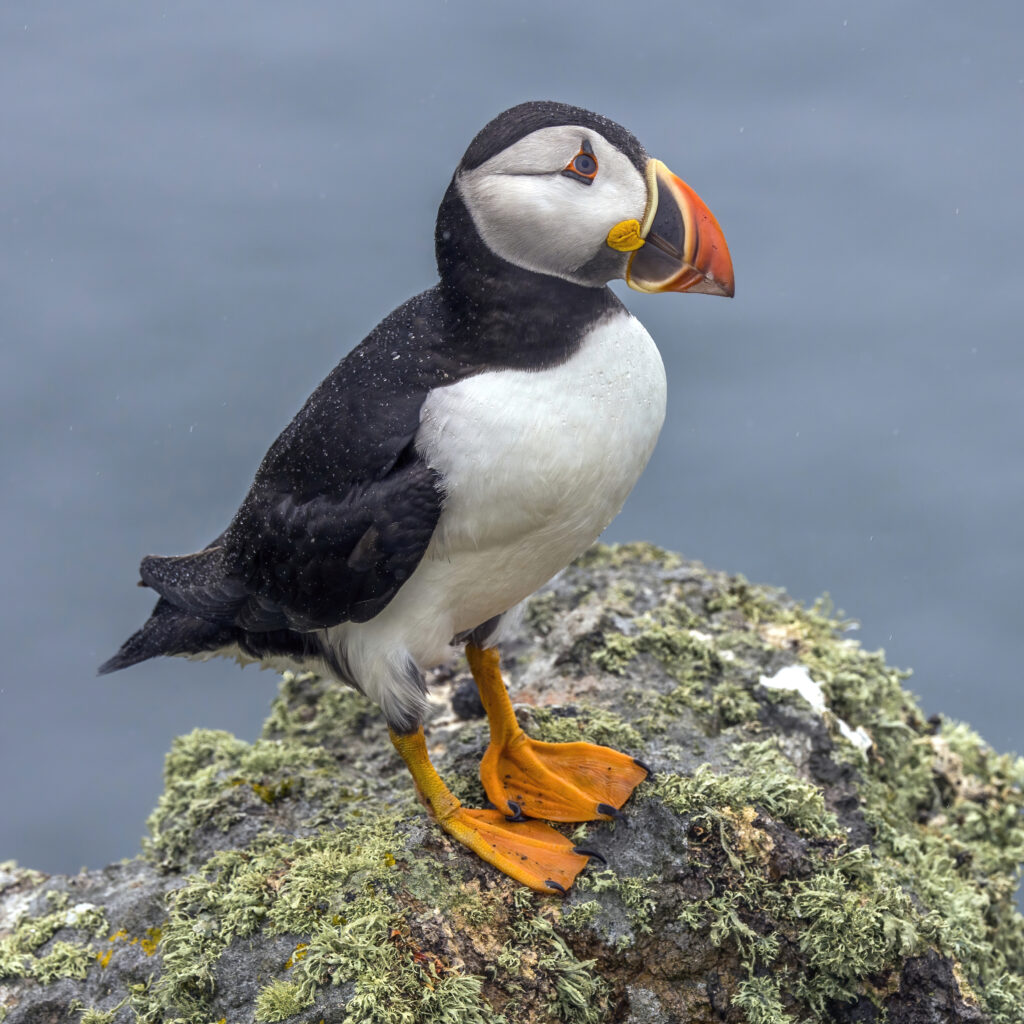
For centuries, the Atlantic puffin has been a symbol of the ocean’s power and beauty. Its distinctive triangular beak, bright orange and yellow colors, and grayish-brown plumage make it one of the most recognizable birds in the world. In this article, we will delve into the world of the Atlantic puffin, exploring its characteristics, habitat, behavior, and conservation status.
Characteristics and Description
The Atlantic puffin is easily recognizable due to its distinctive triangular beak, bright orange and yellow colors, and grayish-brown plumage. The species reaches a length of approximately 30 cm (12 in) and weighs between 400-600 grams. In adulthood, both males and females display the same appearance, although males tend to be slightly larger.
The Atlantic puffin’s beak is one of its most distinctive features, with a unique triangular shape that allows it to catch crustaceans and other small prey. The bird’s bright orange and yellow colors serve as a warning to potential predators, signaling its toxicity through its diet of certain types of shellfish. The grayish-brown plumage provides camouflage in the rocky coastal environments where the species breeds.
Habitat and Migration
The Atlantic puffin is found in cold waters and prefers areas with rocky coastlines. It breeds on islands such as Iceland, Norway, Greenland, and eastern Canada, where it constructs burrows in the rocky terrain. During the winter months, the species migrates to coastal regions of Europe and North America, where it can be spotted along the shores of Scotland, Ireland, and Italy.
The Atlantic puffin’s migration is a remarkable phenomenon, with some individuals traveling over 4,000 km (2,500 miles) each year. This journey takes place in late summer and early fall, when the bird leaves its breeding grounds to search for food and shelter in more temperate climates.
Alimentation
The Atlantic puffin feeds on a variety of marine animals, including crabs, fish, mollusks, polychaetes, and other crustaceans. Its prey typically ranges in length from 7-18 cm (3-7 in). When hunting underwater, the bird uses its zampes palmate as rudders and its wings as “sails” to propel itself through the water.
The Atlantic puffin’s diet is diverse and adaptable, with different populations specializing in specific types of prey. For example, the birds breeding on Iceland tend to feed on more abundant crustaceans such as crabs and shrimp, while those breeding on the coast of Scotland prefer smaller fish like sand eels.
Breeding and Monogamy
The Atlantic puffin is a monogamous species that forms long-term pair bonds. The breeding process involves the construction of burrows on rocky coastlines, where pairs incubate eggs for 39-45 days. Both parents take turns guarding the nest and providing food for their offspring.
One of the most interesting aspects of the Atlantic puffin’s breeding behavior is its unique courtship ritual. When a pair reaches breeding age, they will engage in a series of elaborate displays to attract each other. This may involve preening, calling, or even performing acrobatic maneuvers to show off their strength and agility.
Conservation Status
Unfortunately, the Atlantic puffin population is declining due to habitat destruction, pollution, and climate change. The species has been listed as vulnerable by the International Union for Conservation of Nature (IUCN) since 2015. In 2018, BirdLife International warned that the Atlantic puffin could be considered an endangered species if conservation efforts do not improve.
The main threats to the Atlantic puffin population include:
- Habitat destruction: The construction of coastal development projects and human activities are destroying habitats and disrupting breeding colonies.
- Pollution: Plastic pollution and oil spills are contaminating the birds’ food sources and harming their health.
- Climate change: Changes in ocean temperatures and chemistry are affecting the availability of crustaceans and other prey, making it harder for the species to survive.
Interesting Facts
- The Atlantic puffin is also known as the “sea parrot” due to its unique beak shape and bright colors.
- The bird’s diet consists mainly of crustaceans, which are abundant in cold waters.
- The Atlantic puffin is a social species that lives in colonies, with dominant birds leading smaller groups.
Alters and Interesting Behaviors
- When flying, the Atlantic puffin agitates its wings rapidly to generate lift.
- The bird uses its zampes palmate as rudders when swimming underwater.
- The Atlantic puffin is known for its distinctive call, which sounds like a loud, sharp “squawk”.
Frequently Asked Questions (FAQs)
Q: Where does the Atlantic puffin live?
A: The species inhabits cold waters and rocky coastlines in Europe and North America.
Q: What does the Atlantic puffin eat?
A: The bird feeds on crustaceans, fish, mollusks, polychaetes, and other marine animals.
Q: Are Atlantic puffins social birds?
A: Yes, the species lives in colonies with dominant birds leading smaller groups.
Q: Why is the Atlantic puffin endangered?
A: Habitat destruction, pollution, and climate change have contributed to the decline of the species’ population.
Q: Can I see Atlantic puffins in Italy?
A: Yes, the species can be spotted along the shores of northern Italy during the winter months.
Q: How do Atlantic puffins protect themselves from predators?
A: The birds use their speed and agility when flying or swimming to avoid predators.
Q: Are Atlantic puffins monogamous?
A: Yes, the species forms long-term pair bonds with other Atlantic puffins.
Q: What can I do to help conserve Atlantic puffin populations?
A: Support conservation efforts by donating to reputable organizations or spreading awareness about the importance of protecting marine habitats.
Conclusion
The Atlantic puffin is a unique and fascinating bird species that plays an important role in maintaining the balance of our ocean’s ecosystem. However, its population is declining due to human activities and climate change. By supporting conservation efforts and raising awareness about the importance of protecting marine habitats, we can help ensure the long-term survival of this incredible species.
In conclusion, the Atlantic puffin is a remarkable bird that deserves our protection and admiration. Its unique characteristics, fascinating behavior, and importance in the ocean’s ecosystem make it an inspiration to us all. By working together to conserve this species, we can ensure its continued thrival for generations to come.


