
Arthritis psoriatica is a chronic inflammatory condition that primarily affects the joints of individuals with psoriasis, a skin condition characterized by red patches on the skin and scalp covered in white, scaly, and dry scales. This article aims to provide an in-depth understanding of arthritis psoriatica, its causes, symptoms, treatment options, and prevention strategies.
What is Arthritis Psoriatica?
Arthritis psoriatica is a complex condition that affects not only the joints but also other organs such as eyes, heart, lungs, and kidneys. It is essential to recognize the signs and symptoms of this condition early on to prevent long-term joint damage and disability.
Causes of Arthritis Psoriatica
While the exact causes of arthritis psoriatica are still not fully understood, research suggests that genetic factors play a significant role in its development. A child born to a parent with psoriasis has a 1 in 4 chance of developing the same condition. Other contributing factors include:
- Genetic predisposition: Individuals with a family history of this condition have a higher risk of developing it.
- Skin inflammation: Psoriasis is characterized by skin inflammation, which can lead to joint pain and swelling.
- Autoimmune response: Arthritis psoriatica is believed to be an autoimmune response, where the body’s immune system mistakenly attacks its own joints.
Forms of Arthritis Psoriatica
There are five main forms of arthritis psoriatica, distinguished by the type of joint affected:
- Symmetric: Affects both sides of the body equally, similar to rheumatoid arthritis (RA).
- Asymmetric: Affects one or multiple joints on one side of the body.
- Interfalangea distal: Affected joints are in close proximity to the nails.
- Spondilitic: Involves the spine and can cause difficulty and pain when moving.
- Mutilating: The most severe form, which can also lead to deformity of hands and feet.
Symptoms of Arthritis Psoriatica
Common symptoms include joint pain, swelling, and stiffness. Affected joints typically include:
- Knees
- Ankles
- Hands
- Lower back
In some cases, symptoms may worsen or improve depending on the season. Typical symptoms include:
- Swelling and pain in the fingers and toes
- Pain at the joint where tendons and ligaments connect to bones (often referred to as “heel pain” or “plantar fasciitis”)
- Lower back pain with inflammatory characteristics
Arthritis psoriatica can also affect other organs, such as eyes, heart, lungs, and kidneys.
Treatment for Arthritis Psoriatica
There is no specific test that confirms the presence of arthritis psoriatica, but some tests may help rule out other forms of arthritis. If symptoms persist or worsen, consulting a specialist is crucial to prevent long-term joint damage and disability.
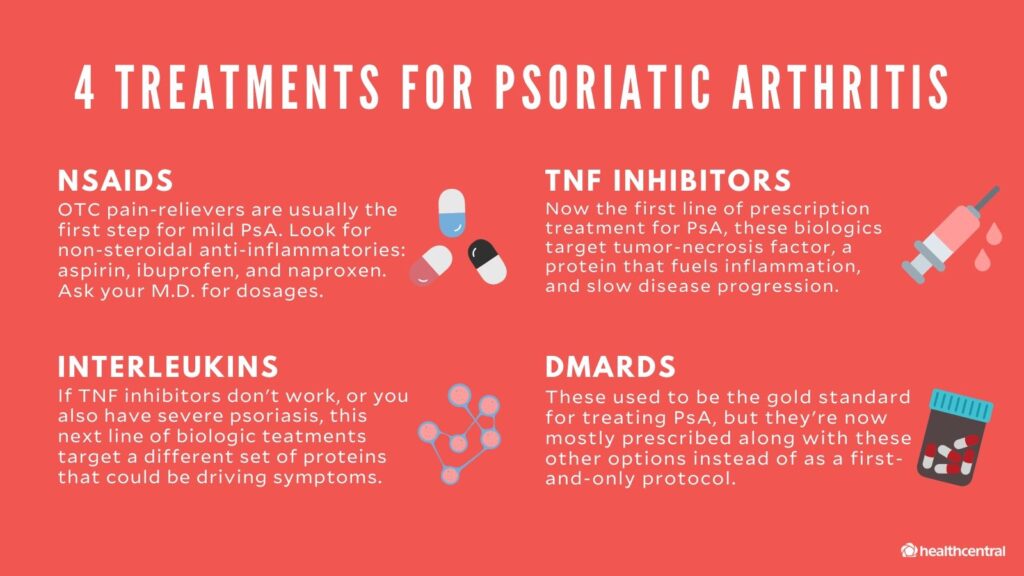
Since there is no cure for arthritis psoriatica, treatment focuses on reducing inflammation in affected joints to prevent further pain and disability. Common treatments include:
- Nonsteroidal anti-inflammatory drugs (NSAIDs) and corticosteroids: Pain relief and swelling reduction, but can cause side effects
- Disease-modifying antirheumatic drugs (DMARDs): Slow progression of the disease and improved joint function
- Immunosuppressors: Protect the immune system from damage caused by arthritis psoriatica
- Steroid injections: Injected into affected joints to rapidly reduce inflammation
Prevention Strategies for Arthritis Psoriatica
While there is no guaranteed way to prevent arthritis psoriatica, several strategies can help manage symptoms and reduce joint pain:
- Clothing options: Choose breathable fabrics like cotton, which allows for better airflow and reduces skin irritation.
- Heat therapy: Apply heat or cold packs to joints before bed to relax muscles and alleviate pain.
- Skin care: Maintain hydrated skin with moisturizers like coconut oil or shea butter, which can help soothe irritation.
- Relaxation techniques: Practice yoga, meditation, or other relaxation methods to reduce stress and promote joint health.
Conclusion
Arthritis psoriatica is a complex condition that requires a comprehensive treatment plan. By understanding the causes, symptoms, and prevention strategies, individuals with this condition can take control of their health and manage their pain effectively. If you suspect you may have arthritis psoriatica, consult your healthcare professional for personalized advice.
Frequently Asked Questions
- What are the common symptoms of arthritis psoriatica?
- Joint pain, swelling, and stiffness
- Pain in specific joints like knees, ankles, hands, and lower back
- Can anyone develop arthritis psoriatica?
- People with a family history of this condition have a higher risk of developing it.
- Is there a cure for arthritis psoriatica?
- No; treatment focuses on reducing inflammation and pain management.
- What are the most effective treatments for arthritis psoriatica?
- Medications like NSAIDs, corticosteroids, DMARDs, immunosuppressors, and steroid injections
- How can I manage joint pain and prevent further damage from arthritis psoriatica?
- Lifestyle modifications: Heat therapy, skin care, relaxation techniques, and proper clothing choices
By understanding the causes, symptoms, treatment options, and prevention strategies of arthritis psoriatica, individuals with this condition can take control of their health and live a fulfilling life.


