
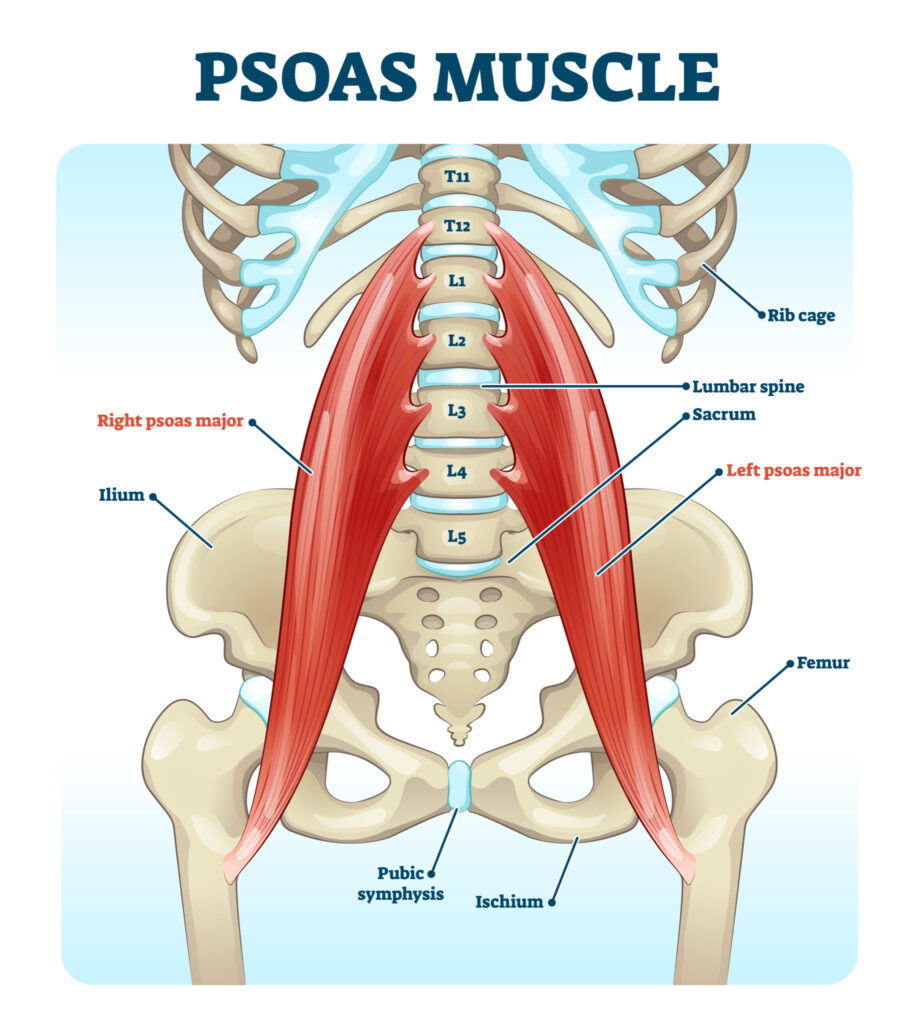
Are you aware of a hidden muscle that’s been working tirelessly behind the scenes, supporting your body and mind? It’s not just about physical strength; it’s about emotional balance and spiritual connection. Meet the psoas, also known as the iliacus muscle, which plays a vital role in maintaining our overall well-being.
What is the Psoas?
The psoas muscle connects the legs to the spine, ensuring proper alignment and stability. It’s often overlooked, but its importance cannot be overstated. In ancient cultures, the psoas was considered a gateway to the soul, symbolizing connection to our inner selves. This muscle works silently, enabling us to move freely without conscious effort.
The Psoas: A Balancer of Body and Mind
Research suggests that the psoas is linked to our deep-seated desire for survival and prosperity. When the psoas is healthy, we feel grounded and secure. On the other hand, a contracted psoas can lead to anxiety, tension, and even physical problems like back pain.
The Importance of Psoas Health
Maintaining psoas health has numerous benefits for both body and mind. It:
- Ensures proper spinal alignment
- Facilitates smooth movement
- Contributes to flexibility and articular function
- Aids in stress relief and relaxation
Psoas Contractions: When the Muscle Says No
When the psoas contracts, it can cause discomfort and restrict movement. This often occurs during periods of high stress or tension. To alleviate these issues:
- Practice relaxation techniques like deep breathing exercises
- Engage in physical activities that promote flexibility and mobility
- Consider incorporating yoga or Pilates into your routine
Yoga for Psoas Release
Yoga is an excellent way to release tension in the psoas muscle. By practicing specific poses and movements, you can help relax this crucial muscle:
- Incorporate stretching exercises into your daily routine
- Explore different yoga styles and find what works best for you
Pilates for Psoas Support
Pilates is another effective way to support the psoas muscle. By focusing on core strength, flexibility, and body awareness, you can help maintain a healthy psoas:
- Practice Pilates exercises regularly
- Pay attention to your posture and alignment
Common Signs of Psoas Dysfunction
If you’re experiencing any of these symptoms, it may be a sign that your psoas needs attention:
- Back pain or stiffness
- Limited mobility or flexibility
- Feeling anxious or stressed
- Digestive issues or constipation
Understanding the Role of the Psoas in Emotional Balance
The psoas muscle plays a significant role in emotional balance and spiritual connection. When it’s healthy, we feel more grounded and connected to our inner selves. On the other hand, a contracted psoas can lead to feelings of anxiety, tension, and disconnection.
How to Release Tension from the Psoas
To release tension from the psoas muscle:
- Practice deep breathing exercises
- Engage in physical activities that promote flexibility and mobility
- Consider incorporating yoga or Pilates into your routine
Tips for Maintaining Psoas Health
To maintain healthy psoas, consider the following tips:
- Incorporate stretching exercises into your daily routine
- Practice relaxation techniques like deep breathing exercises
- Engage in physical activities that promote flexibility and mobility
The Benefits of Psoas Support
Supporting the health of the psoas muscle has numerous benefits for both body and mind. It:
- Enhances spinal alignment and movement
- Contributes to improved flexibility and articular function
- Aids in stress relief and relaxation
- Supports emotional balance and spiritual connection
Conclusion
The psoas muscle plays a vital role in maintaining our overall well-being. By understanding its importance, we can take proactive steps to support its health. Regular exercise, stress management techniques, and mindful movement can help keep this crucial muscle in balance.
By acknowledging the role of the psoas muscle in emotional balance and spiritual connection, you can cultivate greater awareness, flexibility, and overall well-being in your body and mind. Remember that maintaining healthy psoas is essential for achieving optimal physical and mental health.
FAQs
- What is the difference between Psoas major and Psoas minor?
- Psoas major is the larger muscle that connects the legs to the spine.
- Can I stretch my psoas on my own?
- Yes, but it’s essential to incorporate a combination of stretching exercises with deep breathing and relaxation techniques for optimal results.
- Is Pilates only for core strength?
- No, Pilates incorporates many movements that engage the entire body, including flexibility, balance, and mindfulness.
- Can yoga help with psoas contractions?
- Yes, specific yoga poses and breathing techniques can aid in releasing tension from the psoas muscle.
- What are some common causes of psoas dysfunction?
- Common causes include prolonged sitting, stress, poor posture, and muscle imbalances.
By understanding the importance of the psoas muscle and taking steps to support its health, you can improve your overall well-being. Regular exercise, stress management techniques, and mindful movement can help keep this vital muscle in balance.


