
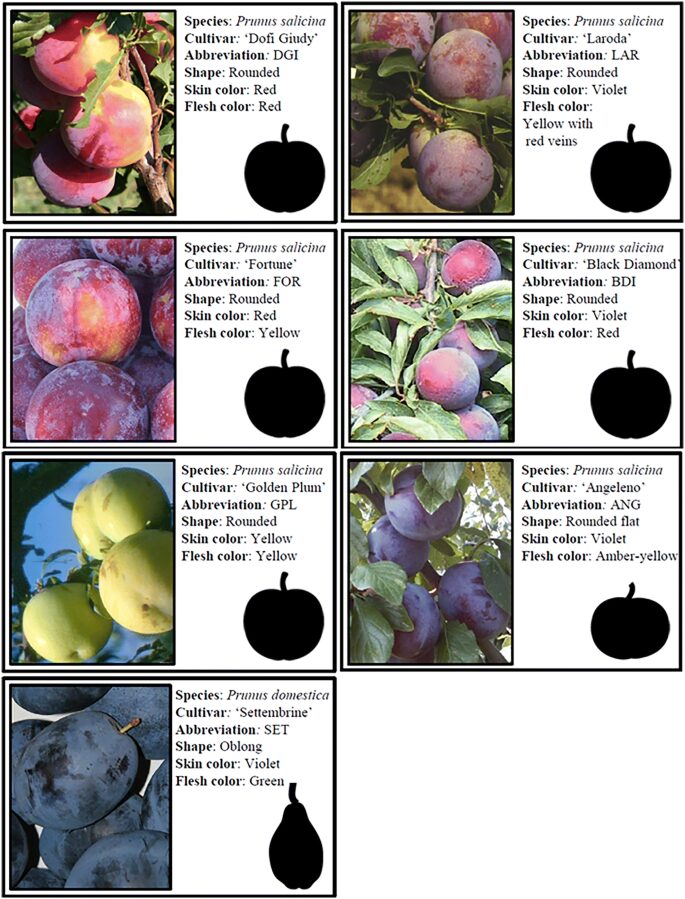
The Prunus tree belongs to the Rosaceae family and is a typical tree in temperate zones of the northern hemisphere. Within this family, there are many genera that differ from each other by their foliage and flowering characteristics.
One of the most fascinating things about Prunus trees is their ability to adapt easily to different soil conditions. Like all plants, Prunus needs well-drained soil to thrive, but its versatility allows it to grow in a variety of environments, including dry and clay soils.
Characteristics of Prunus Trees
Prunus trees are undoubtedly one of the most beautiful trees in the world. One of their key features is their ability to adapt easily to different light conditions. They can tolerate full sun, partial shade, or even shade, making them a popular choice for gardens and landscapes.
Another notable characteristic of Prunus trees is their resistance to wind and cold temperatures. Many species of Prunus can withstand extreme weather conditions, including strong winds and frost damage.
In addition to their adaptability and beauty, Prunus trees have several other characteristics that make them valuable for gardening and landscaping purposes. For example, they are relatively low-maintenance trees that require minimal pruning and care.
Pruning: A Crucial Part of Tree Care
Pruning is an essential part of tree care, as it helps to maintain the health and beauty of Prunus trees. Pruning also allows gardeners to control the size and shape of their trees, which can be beneficial for creating a desired landscape or hedges.
There are many different pruning techniques that can be used on Prunus trees, depending on the specific needs and goals of the gardener. For example, pruning can help to promote fruiting in some species of Prunus, while others may require more extensive pruning to maintain their shape and size.
The Prunus Serrulata: A Tree of Beauty
One of the most popular species of Prunus is the Prunus serrulata, also known as the Japanese Cherry. This tree is renowned for its stunning double pink flowers, which bloom in late March or early April, depending on the climate.
However, it’s worth noting that Prunus serrulata devotes most of its energy to blooming, which means it doesn’t produce fruit. Despite this limitation, the tree remains a popular choice for gardeners and landscapers due to its beauty and adaptability.
Growing Prunus Serrulata: Easy as 1-2-3
Cultivating a Prunus serrulata is surprisingly easy, making it perfect for small spaces like balconies. To fertilize this tree, you should enrich the soil with a mixture of 80% akadama and 20% peat moss.
Prunus serrulata prefers constant sunlight and protection from strong lateral winds. Watering is necessary during hot summer months to prevent drought damage. By following these simple care requirements, gardeners can enjoy the beauty of their Prunus serrulata trees for years to come.
Other Popular Species of Prunus
In addition to Prunus serrulata, there are many other popular species of Prunus that are worth considering for gardening and landscaping purposes. Some of these include:
- Prunus avium: The Cherry Tree is a popular choice for gardeners due to its stunning white flowers and delicious fruit.
- Prunus fruticosa: This tree is known for its beautiful pink or white flowers and is often used as an ornamental plant in gardens and landscapes.
- Prunus domestica: Also known as the European Plum, this tree produces small yellow flowers in spring and edible fruit in summer.
Each of these species has its own unique characteristics and growing requirements, but they all share a common trait: their ability to thrive in a variety of environments.
Conclusion: A Brief Introduction to Prunus
In conclusion, Prunus trees are versatile and beautiful, making them a popular choice for gardeners. By understanding their characteristics and growing requirements, you can enjoy these trees for years to come.
Whether you’re looking for a low-maintenance tree that tolerates a range of conditions or a stunning ornamental plant with beautiful flowers, there’s a Prunus species out there that’s sure to meet your needs.
Frequently Asked Questions (FAQs)
-
What is the Prunus serrulata?
The Prunus serrulata, also known as the Japanese Cherry, is a tree with beautiful double pink flowers that thrive in well-drained soil and partial shade. -
How do I care for my Prunus serrulata?
To fertilize your tree, use a mixture of 80% akadama and 20% peat moss. Ensure it receives constant sunlight and protection from strong lateral winds. -
Can I grow Prunus pissardi in any soil type?
No, this tree doesn’t require specific soil conditions. It’s suitable for most types of soil. -
Is Prunus tomentosa easy to care for?
Yes, it is simple and rewarding to cultivate. This tree can thrive in various conditions. -
How do I protect my Prunus avium from extreme weather?
To keep your cherry tree protected from cold temperatures, ensure that the soil drains properly and prevent frost damage. -
Can I grow multiple Prunus trees together?
Yes, you can plant multiple Prunus trees in your garden to create a beautiful display of flowers or enjoy their unique characteristics. -
How often should I prune my Prunus tree?
Pruning is necessary for maintaining the health and beauty of your tree. Neglecting pruning can result in reduced fruit production. -
What are some common pests that affect Prunus trees?
Common pests include aphids, scales, and spider mites. Regular monitoring can help prevent infestations. -
Can I grow Prunus trees indoors?
Yes, it is possible to grow Prunus trees indoors, but they require careful attention to their growing conditions and care requirements. -
How long does it take for a Prunus tree to mature?
The time it takes for a Prunus tree to mature can vary depending on the species, climate, and growing conditions. In general, Prunus trees can take anywhere from 3-10 years to reach their full maturity.



