
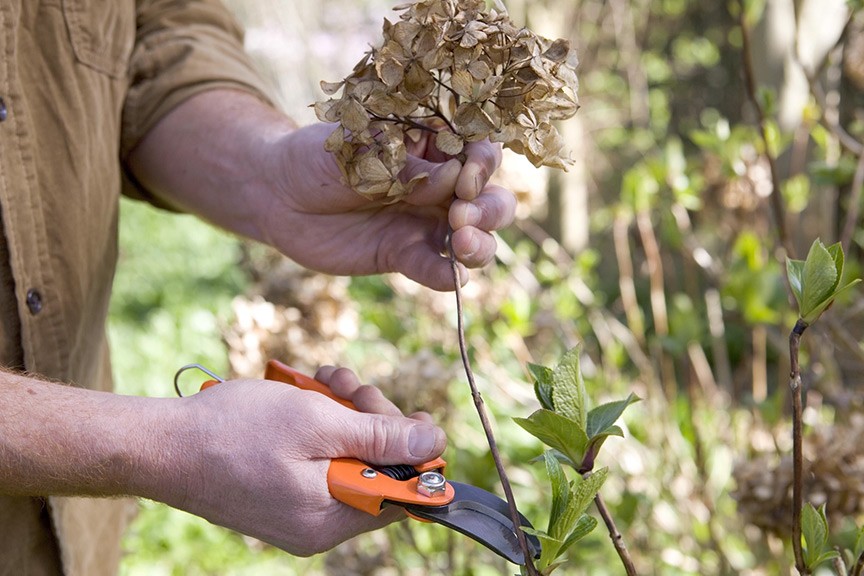
As the seasons change, it’s time to prepare your hydrangea shrubs for the year ahead. Pruning is an essential part of their care, and doing it correctly can make all the difference in promoting healthy growth, encouraging blooming, and enhancing overall appearance.
Understanding Hydrangea Pruning Basics
Before diving into the specifics of pruning hydrangeas, it’s crucial to grasp the fundamental principles behind this process. Here are some key concepts to keep in mind:
- Pruning timing: The best time for pruning depends on the type of hydrangea and your location. In general, pruning between December and April is recommended for most types.
- Cutting techniques: Prune just above a growth node (where a leaf meets the stem), making clean cuts using sharp tools. Remove weak or spindly growth to promote healthy healing.
- Pruning objectives: Cut back old stems to control size, remove dead or diseased branches, and shape the plant.
Choosing the Right Pruning Tools
Investing in high-quality pruning tools is essential for effective pruning. Here are some recommendations:
- Pruning shears: Opt for high-carbon steel blades with a comfortable grip.
- Loppers: Consider investing in loppers with extra leverage, especially when working with thicker branches.
Popular Hydrangea Varieties and Pruning Requirements
Different hydrangea varieties have unique pruning needs. Here’s a brief overview of some popular types:
- Hydrangea macrophylla: Prune between December and April to promote healthy growth and blooming.
- Hydrangea paniculata: Prune from late winter to early spring, as these plants tend to bloom on older wood.
Pruning Hydrangeas: A Step-by-Step Guide
Now that you’re familiar with the basics and specific pruning requirements for your hydrangea variety, let’s move on to the actual pruning process. Here’s a step-by-step guide:
- Remove dead or diseased branches: Cut back any damaged or diseased stems to promote healthy growth.
- Cut back old stems: Remove the previous season’s growth from the plant to control its size and encourage new growth.
- Cut back new growth to maintain shape: Prune your hydrangea to maintain a balanced, compact shape.
Tips for Effective Pruning
To ensure you’re pruning effectively, keep these tips in mind:
- Prune no more than one-third of the plant at a time: This will help prevent shocking the plant and promote healthy healing.
- Make clean cuts: Use sharp tools to make clean cuts, as this will help reduce the risk of disease and encourage healthy growth.
Common Mistakes to Avoid
When pruning hydrangeas, it’s easy to make mistakes that can harm your plant. Here are some common errors to avoid:
- Pruning new growth: Refrain from pruning fresh shoots or buds, as this can reduce blooming.
- Using dull tools: Make sure your pruning tools are sharp and well-maintained to prevent tearing the stems.
Post-Pruning Care
After pruning your hydrangea, it’s essential to provide proper care to promote healthy growth and blooming. Here are some tips:
- Provide adequate sunlight: Hydrangeas need at least six hours of direct sunlight per day.
- Water thoroughly: Water your hydrangea deeply to encourage new growth.
- Fertilize regularly: Feed your hydrangea with a balanced fertilizer in the spring and summer.
By following these guidelines and techniques, you’ll be able to prune your hydrangea effectively, promoting healthy growth, encouraging blooming, and enhancing its overall appearance.


