
As a gardener or homeowner, you know that pruning is an essential part of maintaining healthy trees. But what about those tall trees that seem impossible to reach? In this article, we’ll explore the best practices for pruning tall trees, including the tools and techniques needed to trim high branches and crops safely and effectively.
Why Prune Tall Trees?
Pruning tall trees may seem daunting, but it’s an essential part of maintaining their health and structure. Here are just a few reasons why:
- Removing dead, diseased, or damaged branches helps prevent the spread of disease and encourages healthy growth.
- Pruning high branches can improve air circulation and reduce the risk of pests and diseases.
- By trimming high branches, you can also improve the overall appearance of your tree and enhance its value.
The Dangers of Pruning Tall Trees
While pruning tall trees may seem like a simple task, it can be fraught with danger. Here are just a few risks to consider:
- Falling from a ladder or using a lift to reach high branches can lead to serious injury or death.
- Using improper cutting techniques or tools can cause more damage than good.
Choosing the Right Tools
When it comes to pruning tall trees, having the right tools is essential. Here are some options to consider:
- Telescoping Ladders: These ladders allow you to reach high branches without having to use a lift.
- Pruning Saw Telescopics: These saws have telescoping handles that can be adjusted to fit your height, allowing you to cut through even the tallest branches.
- Troncari Telescopici: These troncari are designed for cutting large branches and can be extended up to 6 feet in height.
Pruning Techniques
When it comes to pruning tall trees, technique is everything. Here are some tips to keep in mind:
- Make clean cuts: Use sharp, clean cuts to avoid tearing the bark or causing more damage.
- Cut at the right angle: Cut branches at a 45-degree angle to promote healthy growth and prevent water from collecting on the cut end.
- Remove dead and diseased branches: Take out any dead, diseased, or damaged branches to prevent the spread of disease.
Common Mistakes to Avoid
Here are some common mistakes to avoid when pruning tall trees:
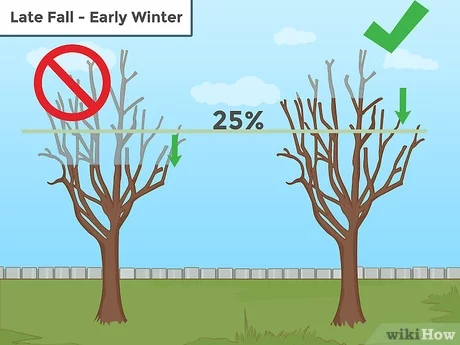
- Don’t over-prune: Pruning too much of a tree can stress it out and lead to disease or pest problems.
- Avoid using dull tools: Dull tools can cause more damage than good, so make sure to use sharp, clean cutting instruments.
- Don’t climb trees alone: Always have someone with you when pruning tall trees, and consider hiring a professional if you’re not comfortable climbing ladders or using lifts.
Frequently Asked Questions
Here are some frequently asked questions about pruning tall trees:
- Q: How do I choose the right tools for pruning tall trees?
A: Consider factors such as reach, height, and cutting capacity when choosing the right tools for your needs. - Q: What is the best time to prune tall trees?
A: Pruning can be done in either the dormant season (winter or early spring) or during active growth (summer). - Q: How do I prevent falls while pruning tall trees?
A: Always wear proper safety gear, including gloves and a harness, and consider using a lift or ladder stabilizer for added support.
Safety Precautions
When pruning tall trees, it’s essential to take safety precautions seriously. Here are some tips to keep in mind:
- Wear protective clothing: Wear long sleeves, pants, and gloves to protect yourself from thorns and other hazards.
- Use a harness or rope: Consider using a harness or rope to secure yourself to the tree while pruning.
- Stay focused: Make sure to stay alert and focused while pruning, as distractions can lead to accidents.
Best Pruning Tools for Tall Trees
When it comes to pruning tall trees, having the right tools is essential. Here are some of the best pruning tools for tall trees:
- Pruning Saw Telescopics: These saws have telescoping handles that can be adjusted to fit your height, allowing you to cut through even the tallest branches.
- Troncari Telescopici: These troncari are designed for cutting large branches and can be extended up to 6 feet in height.
- Telescoping Ladders: These ladders allow you to reach high branches without having to use a lift.
How to Prune Tall Trees Safely
Pruning tall trees can be dangerous, but with the right tools and techniques, it can also be done safely. Here are some tips to keep in mind:
- Make clean cuts: Use sharp, clean cuts to avoid tearing the bark or causing more damage.
- Cut at the right angle: Cut branches at a 45-degree angle to promote healthy growth and prevent water from collecting on the cut end.
- Remove dead and diseased branches: Take out any dead, diseased, or damaged branches to prevent the spread of disease.
Tips for Pruning Tall Trees in Different Weather Conditions
Pruning tall trees can be done in various weather conditions, but some conditions are safer than others. Here are some tips to keep in mind:
- Avoid pruning in strong winds: Strong winds can make it difficult to climb ladders or use lifts.
- Avoid pruning during rain: Rain can make the branches slippery and increase the risk of accidents.
- Avoid pruning in extremely cold weather: Extreme cold can cause the branches to be brittle and more prone to breaking.
Pruning Tall Trees for Different Tree Species
Different tree species have different pruning needs. Here are some tips to keep in mind:
- Prune deciduous trees in the dormant season: Deciduous trees should be pruned during their dormant season to prevent stress.
- Prune evergreen trees year-round: Evergreen trees can be pruned at any time of the year, but it’s essential to avoid pruning them during active growth.
- Prune fruit trees regularly: Fruit trees require regular pruning to maintain their shape and promote healthy growth.
Conclusion
Pruning tall trees can be a daunting task, but with the right tools and techniques, it can also be done safely and effectively. By following these tips and guidelines, you can prune your tall trees like a pro and enjoy the benefits of a healthy and well-maintained tree.


