
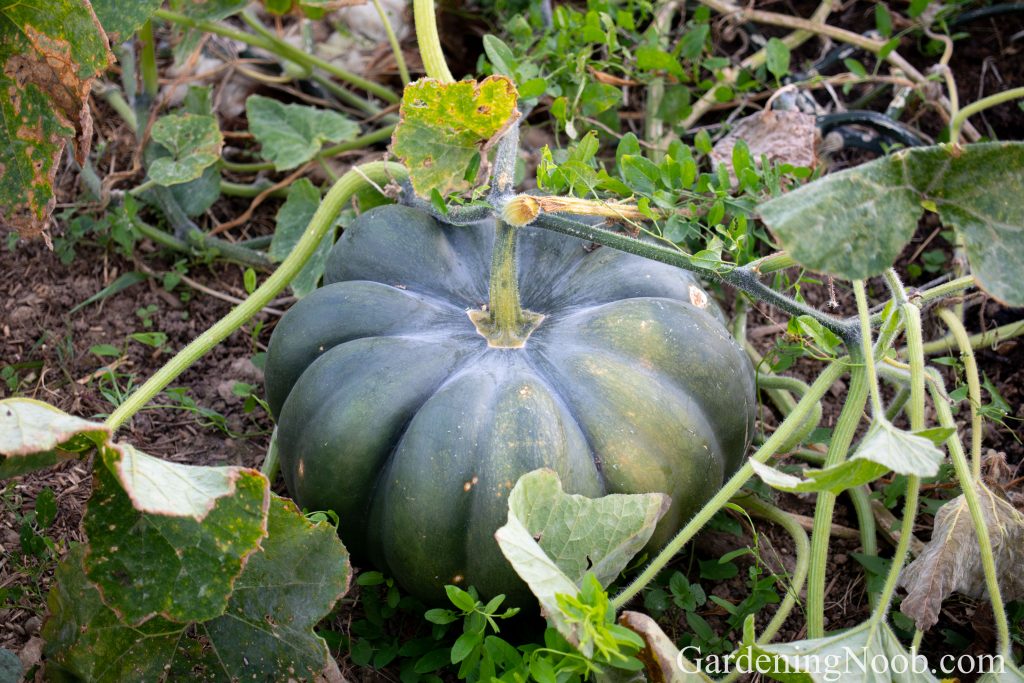
In the Italian kitchen, there’s a type of zucchini that stands out from the rest – the Zucca Moscata di Provenza. This variety is prized for its quality flesh, which can range in color from yellow to orange, depending on the specific cultivar.
What is Zucca Moscata di Provenza?
The Zucca Moscata di Provenza is a type of zucchini that belongs to the Curcubita moschata species. It’s one of several varieties that fall under this umbrella, including the Naples zucchini, Albenga trumpet squash, and Butternut squash.
Characteristics of Zucca Moscata di Provenza
This particular variety of zucchini has a flattened fruit shape that can weigh up to 15 kg (33 lbs) when fully grown. The skin is a mottled brown-orange color with prominent markings. When cooked, the flesh is thick and intensely flavored, making it an ideal ingredient for soups, risottos, and other dishes.
Using Zucca Moscata di Provenza in Cooking
The Zucca Moscata di Provenza is a versatile ingredient that can be used in a variety of recipes. It’s particularly well-suited for preparing creamy sauces like veloutés, soups, and risottos. Some popular dishes made with this type of zucchini include:
- Vellouté de zucche
- Zuppa di zucca
- Risotto con zucca
Storage and Shelf Life
When stored properly in a cool, dry place, the Zucca Moscata di Provenza can be kept for several months – even up to five. This makes it an excellent choice for gardeners who want to harvest their zucchini crop early in the season.
The Nutritional Benefits of Zucca Moscata di Provenza
This type of zucchini is prized not only for its flavor and versatility but also for its nutritional benefits. The flesh is low in calories and high in water content (up to 94%), making it an excellent choice for those looking to reduce their carbohydrate intake. It’s also rich in fiber, vitamins A and C, and minerals like potassium, calcium, and phosphorus.
Cultivating Zucca Moscata di Provenza
To cultivate this type of zucchini, gardeners need to follow specific guidelines:
- Plant seeds 3 inches (7.5 cm) deep and spaced 60-150 cm apart in rows that are 150-200 cm apart.
- Sow seeds indoors in late winter or early spring for a transplanting date in late spring.
When to Harvest Zucca Moscata di Provenza
The harvest season typically takes place between July and November, about 125 days after sowing the seeds. When choosing a variety of zucchini, look for one that is firm and free of blemishes.
Where to Buy Zucca Moscata di Provenza Seeds
Due to its complex reproductive cycle, it’s not recommended to attempt to cultivate zucchini from seed in your own garden. Instead, purchase seeds from a reputable supplier or online retailer like Amazon.
Some popular options for buying zucchini seeds include:
- Local nurseries and gardening stores
- Online marketplaces like Amazon
- Specialty food stores
Tips for Growing Zucca Moscata di Provenza
To ensure a successful harvest, follow these tips:
- Plant in well-draining soil with a pH between 6.0 and 7.0.
- Water regularly, but avoid overwatering, which can lead to fungal diseases.
- Provide support for the plants as they grow, using a trellis or other structure to keep them upright.
- Mulch around the base of the plants to retain moisture and suppress weeds.
Common Pests and Diseases Affecting Zucca Moscata di Provenza
Regularly inspect your plants for signs of pests or diseases, such as:
- Squash bugs: These flat, oval-shaped insects can cause damage to the leaves and fruit.
- Cucumber beetles: These small, black beetles can spread bacterial wilt and other diseases.
- Powdery mildew: This fungal disease can cause a white, powdery coating on the leaves.
Conclusion
The Zucca Moscata di Provenza is an excellent addition to any garden or kitchen. Its unique flavor, nutritional benefits, and versatility make it a valuable ingredient for cooks of all levels. By following the guidelines outlined above, gardeners can successfully cultivate this type of zucchini and enjoy its many benefits.
Frequently Asked Questions
Q: What is the best time to plant Zucca Moscata di Provenza seeds?
A: In most regions, it’s best to sow zucchini seeds indoors in late winter or early spring for a transplanting date in late spring.
Q: How often should I water my Zucca Moscata di Provenza plants?
A: It’s essential to keep the soil consistently moist during the first few weeks after planting. After that, reduce watering to about 1-2 inches (2.5-5 cm) per week.
Q: Can I grow Zucca Moscata di Provenza in containers?
A: Yes! With proper care and attention, zucchini can thrive in containers as long as the pot is at least 6-8 inches deep.
Q: How do I store my harvested Zucca Moscata di Provenza?
A: To prolong shelf life, keep your harvested zucchini in a cool, dry place. It’s also essential to clean and dry any cuts or bruises before storing.
Q: Can I use Zucca Moscata di Provenza for animal feed?
A: While zucchini is technically edible for animals, it’s not recommended as a primary food source due to its high water content and potential allergic reactions.
Q: How do I know if my Zucca Moscata di Provenza has been successfully pollinated?
A: Check for signs of flowering, which usually occurs about 6-8 weeks after sowing seeds. If you don’t see any flowers, it’s likely that your zucchini is not being properly pollinated.
Q: Can I save seeds from my harvested Zucca Moscata di Provenza?
A: Due to the complex reproductive cycle of zucchini, saving seeds is generally not recommended as it can lead to unpredictable results and potential hybridization with other varieties.
Zucchini Recipes Using Zucca Moscata di Provenza
Here are some delicious recipes that feature Zucca Moscata di Provenza as the main ingredient:
- Risotto con zucca: A creamy risotto made with sautéed onions, garlic, and zucchini.
- Zuppa di zucca: A hearty soup made with roasted zucchini, vegetables, and beans.
- Vellouté de zucche: A rich and creamy soup made with pureed zucchini, onions, and chicken broth.
Conclusion
The Zucca Moscata di Provenza is a versatile and nutritious ingredient that can be used in a variety of recipes. With its unique flavor and texture, it’s an excellent addition to any garden or kitchen. By following the guidelines outlined above, gardeners can successfully cultivate this type of zucchini and enjoy its many benefits.
Glossary
- Curcubita moschata: The scientific name for the zucchini family.
- Zucca Moscata di Provenza: A specific variety of zucchini from Provence, France.
- Velouté de zucche: A French term for a creamy soup made with pureed zucchini.
- Vellouté de zucche: A French term for a rich and creamy soup made with pureed zucchini.
References
- “The Oxford Companion to American Food and Drink” by Andrew F. Smith
- “The Cambridge World History of Food” edited by Kenneth F. Kiple and Kriemhild Conee Ornelas
- “The New York Times Cookbook” by Craig Claiborne


