
As a vegetarian or vegan, it’s easy to assume that you’re getting enough protein in your diet. However, this couldn’t be further from the truth. Protein deficiency can affect anyone, regardless of their dietary preferences. In this article, we’ll delve into the world of protein and explore the risks and consequences of a deficiency.
What are Proteins?
Proteins are complex organic molecules that serve as the building blocks of our bodies. They’re essential for maintaining healthy organs and tissues, and play a crucial role in our immune function. Without sufficient protein, our bodies can’t produce antibodies, which leave us vulnerable to illnesses like the common cold.
History of Protein
The concept of proteins dates back to the late 19th century when Louis Pasteur discovered that proteins are responsible for many diseases. Since then, research has advanced significantly, and we now understand the importance of protein in maintaining overall health.
Symptoms of Protein Deficiency
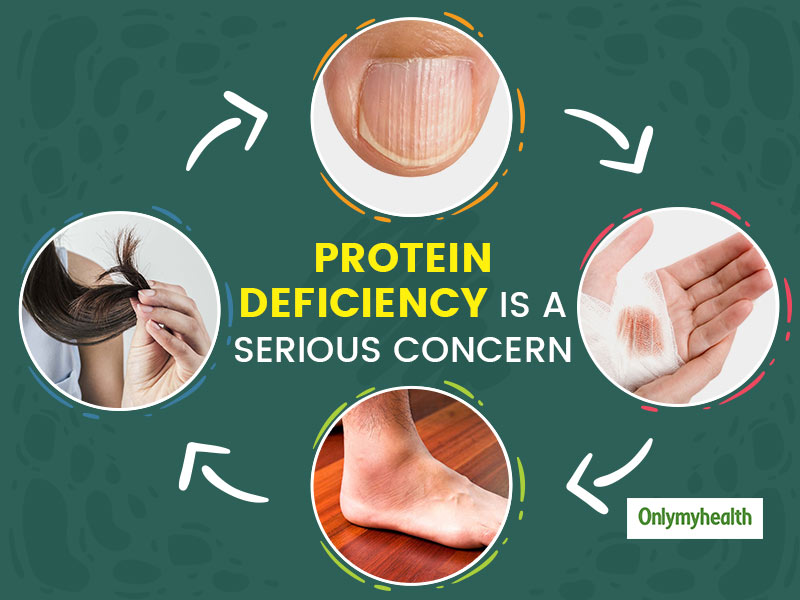
Protein deficiency can manifest in various ways, from mild to severe. Some common symptoms include:
- Fatigue and lethargy
- Weight loss
- Hair loss
- Skin problems (acne, eczema, etc.)
- Muscle weakness and wasting
- Poor wound healing
If left untreated, protein deficiency can lead to more serious complications.
Protein Deficiency in Vegetarians and Vegans
As a vegetarian or vegan, it’s essential to pay attention to your protein intake. While plant-based foods do contain proteins, the amino acid profiles can be variable. Combining different plant-based sources can help ensure you’re getting all the essential amino acids.
- Legumes (lentils, chickpeas, etc.)
- Nuts and seeds
- Whole grains
- Soy products
A well-balanced diet that includes a variety of these foods can help prevent protein deficiency.
Protein Deficiency in Pregnant Women
Pregnant women require additional protein to support fetal development. A protein deficiency during pregnancy can lead to complications, such as:
- Low birth weight
- Premature birth
- Miscarriage
Ensuring adequate protein intake is crucial for a healthy pregnancy.
Protein Deficiency and Muscle Damage
Inadequate protein intake can lead to muscle damage, which can be painful and debilitating. This is particularly concerning for athletes or individuals who engage in regular physical activity.
Consequences of Protein Deficiency
If left untreated, protein deficiency can lead to a range of health complications. These include:
- Anemia
- Osteoporosis
- Hair loss
- Skin problems (acne, eczema, etc.)
- Poor wound healing
Prevention Strategies
Fortunately, preventing protein deficiency is easier than treating it. Here are some strategies to help you maintain a balanced diet:
- Eat a variety of protein-rich foods
- Consult with a healthcare professional or registered dietitian for personalized guidance
- Consider supplementing your diet with protein powders or shakes
Conclusion
Protein deficiency is a significant health concern that affects anyone, regardless of their dietary preferences. By understanding the risks and consequences of a deficiency, you can take steps to prevent it. A well-balanced diet that includes a variety of protein-rich foods can help ensure your body gets the nutrients it needs to thrive.
Frequently Asked Questions (FAQs)
Q: What are some common sources of protein?
A: Legumes (lentils, chickpeas), nuts and seeds, whole grains, soy products
Q: How much protein do I need per day?
A: The recommended daily intake varies depending on age, sex, weight, and activity level. Consult a healthcare professional or registered dietitian for personalized guidance.
Q: Can I get enough protein from plant-based sources alone?
A: Yes, but it’s crucial to combine different sources to ensure you’re getting all essential amino acids.
Q: What are some signs of protein deficiency in pregnant women?
A: Low birth weight, premature birth, miscarriage
Q: How can I prevent muscle damage due to inadequate protein intake?
A: Ensure adequate protein intake through a balanced diet that includes protein-rich foods.
Nutritional Guidelines
Here are some nutritional guidelines to help you maintain a balanced diet:
- Eat at least 0.8 grams of protein per kilogram of body weight per day
- Include a variety of protein sources in your diet (legumes, nuts and seeds, whole grains, soy products)
- Consult with a healthcare professional or registered dietitian for personalized guidance
Protein Deficiency and Mental Health
There is growing evidence that protein deficiency can have an impact on mental health. Research has shown that inadequate protein intake can lead to:
- Anxiety
- Depression
- Mood disorders
It’s essential to maintain a balanced diet that includes adequate protein intake to support overall mental health.
Protein Deficiency and Cardiovascular Health
There is also evidence that protein deficiency can have an impact on cardiovascular health. Inadequate protein intake has been linked to:
- High blood pressure
- High cholesterol levels
- Increased risk of heart disease
Maintaining a balanced diet that includes adequate protein intake can help support overall cardiovascular health.
Conclusion
Protein deficiency is a significant health concern that affects anyone, regardless of their dietary preferences. By understanding the risks and consequences of a deficiency, you can take steps to prevent it. A well-balanced diet that includes a variety of protein-rich foods can help ensure your body gets the nutrients it needs to thrive.
Frequently Asked Questions (FAQs)
Q: What are some common sources of protein?
A: Legumes (lentils, chickpeas), nuts and seeds, whole grains, soy products
Q: How much protein do I need per day?
A: The recommended daily intake varies depending on age, sex, weight, and activity level. Consult a healthcare professional or registered dietitian for personalized guidance.
Q: Can I get enough protein from plant-based sources alone?
A: Yes, but it’s crucial to combine different sources to ensure you’re getting all essential amino acids.
Q: What are some signs of protein deficiency in pregnant women?
A: Low birth weight, premature birth, miscarriage
Q: How can I prevent muscle damage due to inadequate protein intake?
A: Ensure adequate protein intake through a balanced diet that includes protein-rich foods.


