
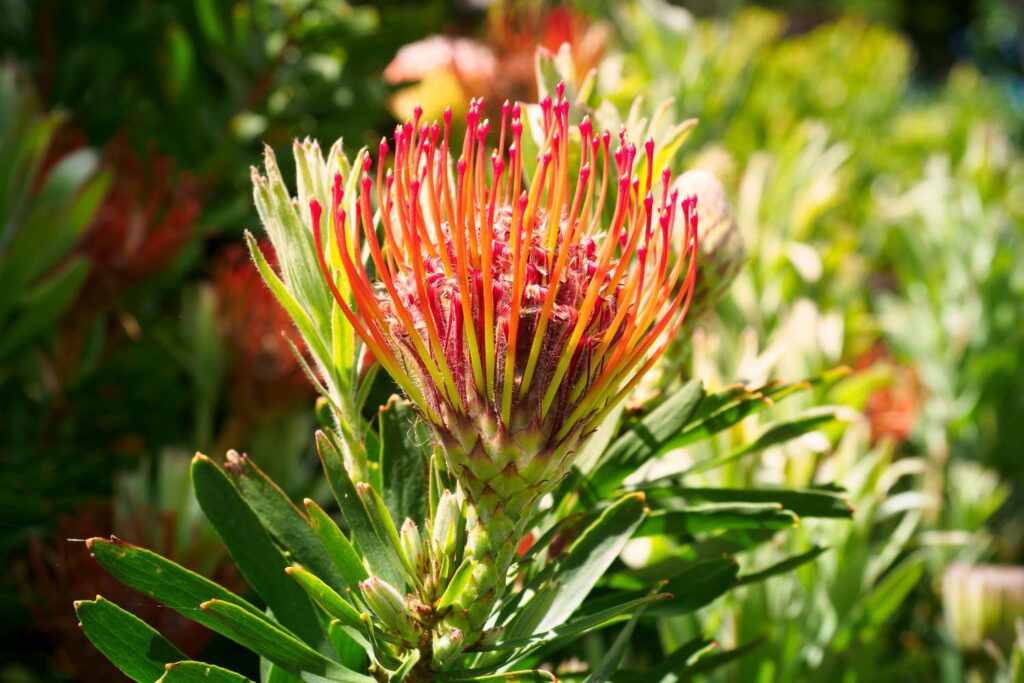
Protea, a genus of plants native to South Africa, has gained immense popularity worldwide for its unique and breathtaking flowers. With over 130 species, each with its own distinct characteristics, Protea is a fascinating plant to explore. In this article, we will delve into the world of Protea, covering its cultivation, care, and enjoyment.
What are Proteas?
Proteas are plants that belong to the Proteaceae family. They are known for their distinctive flowers, which can be either solitary and terminal or clustered together in a large number. The size and color of the flowers vary greatly depending on the species, with some varieties featuring vibrant colors and others displaying subtle shades.
Choosing the Right Species
When it comes to choosing the right Protea species for your garden or indoor space, there are several factors to consider. Some species thrive in temperate climates, while others prefer subtropical regions. If you’re looking to cultivate Proteas in a Mediterranean climate like Italy, you’ll want to opt for species that can tolerate these conditions.
Protea in the Wild
In their natural habitat, Proteas have evolved to minimize water loss through evaporation. Their thick, waxy leaves help to conserve moisture, allowing them to survive in arid environments. This adaptation also makes them well-suited for indoor cultivation, where they can thrive with minimal watering.
Cultivating Protea in a Vase or Garden
Proteas can be grown either in a vase or in a garden bed. To create a stunning display, consider planting multiple species together to create a mixed container arrangement. This will not only add visual interest but also provide a habitat for pollinators and other beneficial insects.
Care and Maintenance
When it comes to caring for Proteas, there are several key considerations:
- Soil pH: Most Protea species require acidic soil with a pH between 3.5 and 4.
- Watering: Overwatering can be detrimental to Proteas, so it’s essential to water them sparingly while ensuring the soil remains moist but not soggy.
- Sunlight: Proteas love full sun, making them an excellent choice for garden beds that receive direct sunlight.
Propagation and Sowing Seeds
If you’re looking to start a new Protea plant from seed, it’s essential to choose high-quality seeds from a reputable supplier. Sow the seeds in a well-draining potting mix, keeping the soil consistently moist but not waterlogged. Provide adequate light and heat, and keep the temperature between 65°F and 75°F (18°C and 24°C).
Tips for Growing Proteas
Here are some additional tips to help you grow healthy and thriving Protea plants:
- Prune regularly: Pruning your Protea plant will encourage bushy growth and prevent it from becoming leggy.
- Fertilize sparingly: Feed your Protea plant with a balanced fertilizer during the growing season, but avoid overfertilizing.
- Repot annually: Repot your Protea plant every year to refresh the soil and provide a larger pot if necessary.
Protea Flowers: A Versatile Choice for Florists
Proteas have become increasingly popular among florists due to their unique shape and long-lasting blooms. The most commonly used species for cut flower arrangements is the Protea cynaroides, which produces large, showy flowers in shades of pink, yellow, and purple.
The Benefits of Growing Protea
Growing Protea offers numerous benefits, including:
- Low maintenance: Proteas are relatively easy to care for, making them an excellent choice for busy gardeners.
- Attractive blooms: The unique shape and vibrant colors of Protea flowers add visual interest to any garden or indoor space.
- Pollinator-friendly: Proteas attract a variety of beneficial insects, including bees, butterflies, and hummingbirds.
Conclusion
Proteas are fascinating plants that offer a range of benefits for gardeners and florists alike. With their unique shape, vibrant colors, and long-lasting blooms, it’s no wonder why Protea has become a popular choice for those looking to add some beauty to their indoor or outdoor space. By following the tips and guidelines outlined in this article, you’ll be well on your way to growing healthy and thriving Protea plants that will bring joy and interest to your garden or home.
Frequently Asked Questions
- What is the best time to plant Protea seeds?
- The best time to plant Protea seeds is in the spring or fall, when temperatures are mild.
- How often should I water my Protea plant?
- Water your Protea plant sparingly, making sure the soil remains moist but not soggy.
- Can I grow Proteas in a container?
- Yes, Proteas can be grown in containers, provided they receive adequate light and heat.
- How often should I fertilize my Protea plant?
- Feed your Protea plant with a balanced fertilizer during the growing season, but avoid overfertilizing.
- Can I propagate Proteas from cuttings?
- Yes, you can propagate Proteas from stem cuttings taken in the spring or summer.
Troubleshooting Common Issues
- Protea leaves turning yellow: This could be a sign of overwatering or underwatering. Adjust your watering schedule accordingly.
- Protea flowers not blooming: This may be due to inadequate light, temperature fluctuations, or insufficient fertilization. Check the conditions and adjust as needed.
- Pests infesting Protea plants: Inspect your plants regularly for signs of pests and treat promptly if necessary.
Conclusion
By following these guidelines and tips, you’ll be well on your way to growing healthy and thriving Protea plants that will bring joy and interest to your garden or home. Whether you’re a seasoned gardener or just starting out, the beauty and versatility of Proteas make them an excellent choice for anyone looking to add some excitement to their outdoor space.


